Author: officialpanache1@gmail.com

  • Kansas City Splash Pads & Water Parks: Summer Fun for Families

    Kansas City Splash Pads & Water Parks: Summer Fun for Families

    Ready for sunny days and cool play? This short guide helps families find the best kansas city splash pads across the metro. We focus on practical details so planning feels easy and relaxed.

    Most sites run from Memorial Day through Labor Day, though some open earlier or close later. Many are free, sit next to playgrounds, and offer restrooms nearby.

    Local experts repeat one clear safety tip: bring water shoes. Surfaces get slick and most areas do not have lifeguards, so simple gear and supervision matter.

    This guide lists parks by neighborhood, notes toddler-friendly zones and fenced areas, and flags features like shaded seating, spray types, and activation methods. Use it to map a fun summer stop or a full day out with kids in the area.

    Key Takeaways

    • Find kansas city splash pads organized by neighborhood for easy planning.
    • Most operate through summer and often offer free access and restrooms.
    • Bring water shoes and supervise closely—many sites lack lifeguards.
    • Look for shaded seating, toddler zones, and activation types before you go.
    • Turn a quick stop into a full outing by pairing parks with nearby trails or picnic spots.

    Summer at a Glance: When Splash Pads Open, What to Bring, and How to Plan

    Summer plans get easier when you know typical opening dates and what to pack for a fun, safe outing.

    Seasonal timing: Most sites switch on around Memorial Day and wind down near Labor Day. Some local spots flip the switch as early as May 1 and stay open into September or October on warmer years.

    Practical hours & timing

    Check posted hours before you go—common schedules are 9 A.M.–8 P.M. or 10 A.M.–8 P.M., and a few operate as early as 5 A.M. or later in the evening.

    What to pack

    Pack light but smart for the kids: water shoes, quick-dry towels, sunscreen, snacks, and a change of clothes. Bring a water bottle for each person to stay hydrated during active play.

    • Bring a small picnic or snacks to extend your visit—many parks have shaded shelters or grassy spots.
    • Consider a blanket or compact chairs for caregivers; seating fills up in peak summer hours.
    • For infants and toddlers, add a sun hat and UPF clothing to reduce frequent sunscreen reapplication.

    Finally, check local pages for “open daily” notes and weather-related closures. This short guide helps you turn a quick visit to a splash pad into a relaxed, memorable day out—through Memorial Day, Labor Day, and on warm shoulder-season weekends.

    North Kansas City & Northland Favorites

    Explore three north-side spots that balance safety, shade, and flexible hours for family outings. These locations are easy to reach and work well for mixed-age groups.

    Dagg Park at 701 E 21st Ave is fully fenced and includes a separate toddler zone. The pad runs daily from 10 A.M.–8 P.M., though maintenance on Mondays delays the start to 1 P.M. Parents praise the nearby playground and clear sight lines for supervising little ones.

    Central Park at Zona Rosa (7210 NW 86th Terrace) offers public fountains in a turfed plaza. Shaded seating and restrooms across the street make quick changes and snack breaks simple. Open daily 9 A.M.–8 P.M., it’s a good stop for a gentle cool-down after shopping in Zona Rosa.

    Ruth Moore Park in Liberty features a firefighter-themed pad with umbrella shade and step-activated sprays. Benches sit close by and extended evening hours (8 A.M.–10 P.M.) let families come after dinner to avoid the heat.

    Park Key Feature Typical Hours Family Tips
    Dagg Park Fenced toddler zone 10 A.M.–8 P.M. (Mon 1 P.M. start) Bring water shoes; plan around Monday maintenance
    Central Park (Zona Rosa) Fountains & turfed area 9 A.M.–8 P.M. Restrooms across the street; great for a quick snack
    Ruth Moore Park Firefighter theme, step-activated 8 A.M.–10 P.M. Visit in the evening for cooler play and shade

    Quick tips: Start at Dagg Park for toddlers, then move to Zona Rosa for a plaza break. Pack wipes for picnic tables and bring water shoes for everyone—wet walkways can be slick.

    Iconic Kansas City, MO Splash Spots

    For an easy half-day outing, choose a well-known park that pairs a playground with reliable fountain fun.

    Loose Park Sprayground is a classic loose park stop. The fenced pad sits west of the rose garden near the tennis courts.

    Open daily 11 A.M.–7 P.M., it offers shaded seating, bathrooms, and a grassy picnic area. Expect simple fountains and gentle water features that suit toddlers and older kids.

    loose park spray ground

    City Park (Liberty)

    City Park includes an inclusive playground next to a big dump bucket. Benches and a reservable shelter make it easy to host a small party.

    The site is open daily 6 A.M.–10 P.M., so families can visit early or in the evening for cooler play.

    Neighborhood spraygrounds to try

    • Garrison Square — lots of late-night hours (11 A.M.–midnight).
    • Spring Valley — midday-friendly schedule (11 A.M.–7 P.M.).
    • Seven Oaks — late hours and multiple features (11 A.M.–midnight).
    Spot Key Feature Hours Good For
    Loose Park Sprayground Fenced pad, picnic grass 11 A.M.–7 P.M. Half-day picnic + playground
    City Park (Liberty) Dump bucket, inclusive playground 6 A.M.–10 P.M. All-abilities play, group shelter
    Garrison / Spring / Seven Oaks Multiple fountains & features 11 A.M.–midnight / 11 A.M.–7 P.M. Evening visits, quick stops

    Overland Park & Shawnee: Family Hubs with Playgrounds and Trails

    The Overland Park–Shawnee corridor pairs roomy playgrounds with thoughtful water features for all ages. This area is great for families who want a mix of trail time and quick cooling off spots.

    Roe Park — big playgrounds and sensor-activated fun

    Roe Park (10400 Roe Ave) offers a sensor-activated splash pad next to a huge playground and multiple shelters. It runs daily 5 A.M.–10 P.M., so early mornings work well to beat heat and crowds.

    Thompson Park — cozy pad, easy access

    Thompson Park (8045 Santa Fe Dr) has a smaller pad with button-activated spray. Bathrooms and a reservable shelter make quick breaks simple. Hours are 5 A.M.–10 P.M., ideal for before-nap visits.

    Wilder Bluff & Erfurt — nature-forward water play

    Wilder Bluff Park creates a natural-looking river channel with boulders and a waterfall. The water runs daily 10 A.M.–8 P.M.; bring small boats for the low bridge.

    Erfurt Park sits beside a nature playground and shaded deck seating. Hours are 10 A.M.–8 P.M., and restrooms are a short walk from the picnic tables.

    Spot Key Feature Hours
    Roe Park Sensor-activated pad, large playground 5 A.M.–10 P.M.
    Thompson Park Button-activated spray, small pad 5 A.M.–10 P.M.
    Wilder Bluff / Erfurt Nature-style channel; shaded deck 10 A.M.–8 P.M.
    • Tip: Pack water shoes—natural surfaces get slick.
    • Reserve shelters on busy weekends and bring wipes for picnic tables.
    • Smaller pads help toddlers warm up while larger pads work for mixed-age groups.

    Olathe & Blue Springs: Big Features and Lake-Day Pairings

    Plan a lake day and cooling stops in Olathe and Blue Springs for a full-family outing. Start with the beach or a boat rental, then add focused play time for kids of different ages.

    Lake Olathe Sprayground offers two dedicated splash pads plus a sand-and-water area and musical instruments along the path. A foot wash helps with sandy transitions. Open daily 10 A.M.–8 P.M., with bathrooms at the marina a short walk away.

    Burrus Old Mill Park (Blue Springs) brings a jungle-themed pad with dump buckets, animal sprayers, and a small slide. Shaded picnic tables make caregiver breaks easy. Typical hours are 9 A.M.–8 P.M.

    Eisenhower Park in Blue Springs is a lower-key option with varied sprays and shaded seating, often listed 11 A.M.–6 P.M. Pack water shoes and a change of clothes to move between sand, pad, and playground comfortably.

    Spot Key features Typical hours
    Lake Olathe Two splash pads, sand area, musical path, foot wash 10 A.M.–8 P.M.
    Burrus Old Mill Park Jungle theme, dump buckets, shaded picnic tables 9 A.M.–8 P.M.
    Eisenhower Park Varied sprays, shaded seating 11 A.M.–6 P.M. (check posted hours)

    Lee’s Summit, Liberty, Raymore & Grandview Gems

    Plan a flexible day: these neighborhood parks pair thoughtful play features with picnic-ready spaces. Each spot fits different ages and mobility needs, so you can craft a seamless outing.

    Miller J. Fields Park, Lee’s Summit

    miller fields park offers dual zones: a big-kid side with a dump bucket and a calmer side for littles. The adjacent playground has music elements and reservable shelters. Open daily 10 A.M.–7 P.M., it’s easy to spend a full afternoon here.

    Lea McKeighan Park, Lee’s Summit

    mckeighan park features separated areas and a fenced perimeter, plus bathrooms and covered picnic tables—ideal when toddlers are learning boundaries. Hours match other Lee’s Summit sites at 10 A.M.–7 P.M.

    miller fields park

    T.B. Hanna Station, Raymore

    hanna station is an inclusive, train-themed sprayground with accessible bathrooms open year-round. It runs 9 A.M.–8 P.M. and is great for mixed-ability playdates.

    John Anderson Park, Grandview

    This nautical-themed spot has ample shade and a playground. Note the water activates only when the temperature hits 75° or above. Open daily 10 A.M.–7:30 P.M.

    • Tip: Pair Miller J. Fields and Mckeighan for a combined visit and bring a wagon to move gear between shelters.
    • Keep maintenance and weather in mind; brief pauses can occur, so have a backup playground plan.

    kansas city splash pads: Quick Picks, Hours, and Handy Tips

    Knowing which sites run early or late helps you dodge crowds and heat while keeping kids happy. This short guide points to common operating hours, routine maintenance notes, and easy ways to make a quick splash into a full outing.

    Open daily highlights

    Typical hours are 9 A.M.–8 P.M. or 10 A.M.–8 P.M., and a few spots like Roe Park and Thompson Park open as early as 5 A.M.–10 P.M. for ultra-early play. Many locations list that they are open daily, so check individual park pages before you go.

    Maintenance and safety

    Always peek at municipal updates for maintenance windows—Dagg Park starts at 1 P.M. on Mondays for upkeep. Surfaces can get slick; water shoes help prevent slips and protect feet between spray zones.

    Make it a day

    Look for sites with shaded shelters, picnic tables, and adjacent playgrounds or trails to extend your visit. Pack a cooler, plan regular water refills, and keep a simple checklist—towels, sunscreen, snacks, a change of clothes, and a small first-aid kit—to make the most of nearby parks and features.

    Budget-Friendly Water Fun: Free vs. Low-Cost Options Across the Metro

    Stretch your summer budget with dozens of free water play spots across the metro. Most splash pads in the area are free to use and run daily during posted hours. That makes them ideal for quick outings with kids that don’t strain the wallet.

    Mostly free splash pads; small fees may apply at adjacent pools or aquatic centers

    Expect clearly posted hours—often in the 9–8 or 10–8 range—so check before you go. A handful of parks near pools charge a small admission for the pool while keeping the spray area free. For example, Eisenhower lists a $1 pool entry while the spray park stays complimentary.

    • Mix and match: choose a free pad for open play, or add a paid pool visit if kids want slides and lifeguards.
    • Bring reusable toys and a packed lunch to save; shaded tables help stretch time without extra spending.
    • In Blue Springs and nearby areas, decide if you want a guarded swim or unstructured spray features when planning your day.

    Quick tip: keep a few dollars in the car for parking or concessions—small change keeps the day flexible and low-cost.

    Conclusion

    A little planning turns quick cool-downs into whole afternoons of play and rest.

    Use this guide to match the right splash pad to your day. Consider posted hours, shade, bathroom access, nearby playground options, and special features like dump buckets or nature-style streams.

    If you juggle multiple ages, pick fenced layouts or dual-zone designs for safer, calmer play. Aim for morning or evening visits to avoid heat and crowds, and rotate sites all season to keep outings fresh.

    Final tip: pack essentials, bookmark favorites, and share tips with friends. Most parks stay free—so grab towels, water shoes, and enjoy easy summer fun that the whole family will remember.

    FAQ

    When do most splash pads open for the season?

    Most spray grounds run from Memorial Day through Labor Day, though exact dates vary by park. Check local parks and recreation pages for city-specific openings and any early or late-season exceptions.

    What should I bring for a safe, fun visit?

    Pack water shoes, towels, sunscreen, a change of clothes, refillable water bottles, and snacks. A small first-aid kit and a sun hat help, too. Many sites have picnic tables and shaded areas for breaks.

    Are splash pads free to use?

    The majority of spray grounds in the metro are free. Some nearby pools or aquatic centers may charge admission for extra features, so check individual facility pages before you go.

    How can I find current hours and maintenance closures?

    Visit your city’s parks and recreation website or their social media for updates. Many spots close for daily cleaning or weekly maintenance—Dagg Park, for example, may start operation after maintenance on Mondays.

    Are there pads suitable for toddlers and infants?

    Yes. Parks with toddler zones and fenced areas—like Dagg Park and several Lee’s Summit locations—offer gentler sprays and safer play areas for littles. Look for dedicated shallow zones and shaded seating nearby.

    Which locations are best for a full-day outing with picnic options?

    Pick spots with large grassy areas and shelters, such as Loose Park, Lake Olathe, and Miller J. Fields Park. These offer picnic tables, nearby playgrounds, and trails to stretch legs between water play sessions.

    Any recommendations for accessible and inclusive spraygrounds?

    Yes. T.B. Hanna Station in Raymore and several Liberty and Lee’s Summit sites include accessible features, firm surfaces, and nearby restroom access. Check specific park pages for ADA details.

    Are there themed or unique water features to look for?

    Many parks offer themes—firefighter motifs at Ruth Moore Park, nautical elements at John Anderson Park, and jungle or old mill themes at Burrus Old Mill Park. These add extra imagination to playtime.

    What should families know about safety and supervision?

    Surfaces get slippery; water shoes reduce slips. Children should be supervised at all times. Avoid running, follow posted rules, and be mindful of weather closures during storms or extreme heat.

    Can I bring my dog to the sprayground area?

    Most spraygrounds do not allow pets on the water play surface. Some parks allow dogs in adjacent park areas or on-leash trails—check park rules before bringing a pet.

    Do any pads offer evening hours or special events?

    Some parks extend hours into the evening for cooler play or host family events. Local recreation calendars list extended-hour nights, special openings, and holiday schedules.

    Where can I find nearby lake or pool rentals to pair with a splash pad visit?

    Lake Olathe and other nearby lakes often have beach areas and rental options for kayaks or paddleboards. Call the park office or check municipal pages for reservation details and fees.

    What are quick tips for avoiding crowds on busy summer days?

    Arrive early, visit on weekdays, or choose smaller neighborhood spraygrounds like Garrison Square or Seven Oaks. Bring a shade canopy or plan picnic time during peak afternoon hours to wait out crowds.

    Who maintains these facilities and how do I report an issue?

    Local parks and recreation departments handle maintenance. Use the city’s online service request form or call the park office to report equipment, cleanliness, or safety concerns.
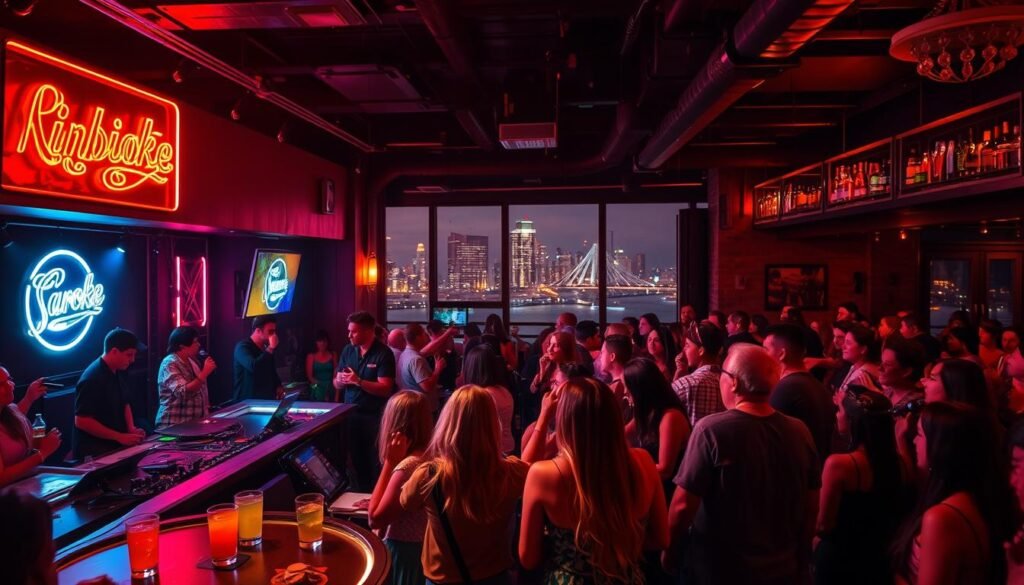
  • Best Karaoke Bars in Kansas City: Places to Sing Your Heart Out

    Best Karaoke Bars in Kansas City: Places to Sing Your Heart Out

    Ready to find the perfect spot to belt out your favorite songs? This guide highlights the best options for a night of music, drinks, and celebration across the metro area. We compare lively, stage-first venues with private-suite lounges so you can match the vibe to your plans.

    Whether you crave a solo spotlight or a group sing-along, you’ll get clear tips on weekend timing, reservations, age policies, and sound quality. Expect practical booking details so your group of friends stays together, from private-suite holds to snagging a table near the stage.

    We also flag event-ready spots and wallet-friendly drink specials. If you need a venue for a birthday, bachelorette, or corporate outing, this guide points out which places offer the best amenities, large song libraries, and late-night hours for maximum fun.

    Key Takeaways

    • Compare stage venues vs. private suites to match your vibe.
    • Plan reservations and weekend timing for smoother nights out.
    • Look for large song libraries and strong sound for better performances.
    • Choose event-ready bars for birthdays or corporate gatherings.
    • Watch for happy-hour deals to keep the night affordable.

    Find Your Perfect Night Out: Top Spots to Sing with Friends in Kansas City

    Pick the vibe you want—private rooms or a lively stage—and your night will shape itself. Private suites suit groups that want privacy, steady playlists, and hour-based bookings. Public stages bring energy, pro lighting, and faster rotations for spotlight seekers.

    • Wireless mics and on-screen lyrics for big-group sing-alongs.
    • Large song libraries and helpful hosts if your group mixes newbies and pros.
    • Drink specials and happy-hour menus to extend a multi-hour night affordably.
    • Clear age policies and reservation formats—suites often book by the hour; stages may reserve tables near the action.

    For celebrations, shortlist venues that welcome parties and offer amenities like sound checks or event holds. Confirm whether sign-ups are first-come or managed by a digital queue so your group can pace the night without surprises.

    Karaoke Kansas City: Where to Go for Songs, Events, and Weekend Vibes

    For an electric weekend vibe, target the prime singing hours on Friday and Saturday. These nights draw the biggest crowds, louder applause, and faster rotations. If you want energy, plan your arrival around opening times to grab a good spot.

    karaoke kansas city

    Friday and Saturday hotspots for the best crowd energy

    Offkey KC splits formats: private suites (Classic up to 20; UltraVIP up to 50) and a lively main bar with wireless microphones and lyrics on multiple TVs. The main bar opens at 7 pm and runs first-come-first-serve signups. Suites run late on weekends, with Fri-Sat hours extending to 2 am.

    What to expect: song choices, stage vs. suites, and group-friendly options

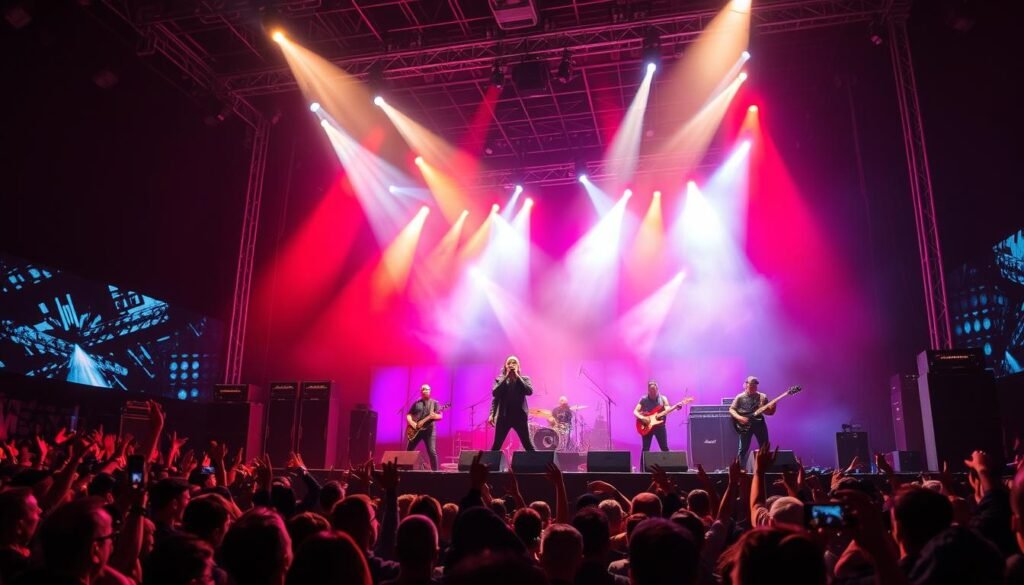
    Hammers offers a true stage experience: pro lighting, tuned sound, and a massive 63,000-song library. Table reservations lock in prime seating and help your group avoid long waits.

    • Book suites at Offkey KC or reserve a table at Hammers for busy weekend nights.
    • Choose suites for private parties and steady playlists; use main-bar formats to join the room-wide sing-along.
    • Watch drink specials—Hammers’ $5 daiquiris are a favorite for keeping the mood upbeat.

    Offkey KC: Private Suite Karaoke and Sing-From-Anywhere Main Bar

    Offkey KC blends private-suite comfort with a lively main bar so groups can pick how they prefer to perform.

    Suite options and what they include

    Classic Suite fits up to 20 guests. It includes two microphones, two displays, a premium sound system, and a tambourine.

    UltraVIP Suite holds up to 50 guests. It adds four microphones, three displays, a food serving area, and the same premium sound gear.

    Main bar format and how it works

    The main bar has no stage. Wireless microphones and multiple TVs display lyrics so anyone can jump in.

    Singing in the main room is first-come, first-serve. Arrive early to secure a spot in rotation.

    Hours, age policy, and booking info

    Suites run Wed–Thu 7 pm–close and Fri–Sat 6 pm–2 am. The main bar opens at 7 pm. The venue is 21+ only.

    To reserve a suite, call (816) 531-7464 or email reservations@offkeykc.com. Provide date, start time, party size, and duration.

    Great for celebrations and starting the night

    Offkey KC is purpose-built for events like birthdays, bachelorettes, corporate team building, and anniversaries.

    Kick off with themed drinks such as Royals, Purple Rain, One Sweet Day, Off Key Tea, Cherry Times, or American Woman.

    Option Max Guests Microphones Displays Best for
    Classic Suite 20 2 2 Small groups, private parties
    UltraVIP Suite 50 4 3 Large celebrations, events
    Main Bar Open capacity Wireless Multiple TVs Walk-ins, spontaneous sing-alongs

    “Private suites keep the mic rotation within your group, giving you more turns and fewer waits.”

    Hammers: Massive Songlist and Stage-Ready Sound and Lighting

    Hammers puts performers under pro lights and in front of tuned sound for a true live feel.

    hammers stage performance

    With a 63,000-track library, the venue covers timeless classics and current hits so every singer finds something to shine with.

    • Step onto a dedicated stage with pro lighting and tuned sound for crisp vocals and real spotlight thrills.
    • Pick from 63,000 choices to build diverse setlists—deep cuts and radio favorites included.
    • Enjoy $5 daiquiris in several flavors as a budget-friendly way to stay fueled through the night.
    • Reserve a table to keep your group close to the stage and ready to cheer on performances during busy friday saturday nights.

    Private events and a traveling piano show are available for birthdays or corporate nights. Arrive early to sign up; the rotation is well managed so everyone gets a turn.

    “The stage setup rewards confident singers and helps newcomers feel like stars.”

    Feature Details Best for
    Song Library 63,000 tracks—classic to current All skill levels
    Stage & Sound Pro lighting and tuned system Spotlight performances
    Drinks & Seating $5 daiquiris; table reservations Groups and celebrations

    Ultimate Karaoke KC: Rotating Schedules, Friday-Saturday Shows, and Private Event Hire

    Ultimate Karaoke KC keeps a live, rotating lineup across the metro from Thursday through Saturday. They publish an updated schedule that pairs singing nights with trivia, so groups can plan a mixed night of play and performance.

    Weekly lineup and highlights

    Shows run most heavily on Thursday, Friday, and Saturday. Examples on rotation include Erin’s Pub and Lew’s Grill & Bar, but the list changes often.

    Service coverage across MO and KS

    Coverage spans key MO and KS counties and dozens of metro cities, from Overland Park to Lee’s Summit and beyond. That reach makes it simple to find a nearby host for a spontaneous night out.

    Hire for venues and private gatherings

    Need a turnkey solution? They can be booked for bars, restaurants, clubs, private parties, weddings, or corporate event needs.

    “A central provider keeps hosting quality consistent and the sound reliable across venues.”

    • Use the rotating schedule to plan a multi-stop crawl or a single big night.
    • Check updates often—times and locations shift with demand.
    • Book in advance for private hires to ensure equipment and rotation management.

    Conclusion

    Wrap up your night with a clear plan that matches the group vibe and venue strengths.

    For an all-in celebration, private suites at Offkey KC give comfort, capacity, and easy booking. If the spotlight calls, Hammers’ stage and lighting make shows feel unforgettable.

    Want to roam? Ultimate Karaoke KC’s rotating schedule points to active rooms on prime nights. Weekend timing matters—arrive early and reserve when you can to avoid long waits.

    Match your group’s comfort to the format, watch for drink specials, and pick venues that advertise event-ready capacity and amenities. Make a plan, lock in reservations, and warm up those vocals—the best karaoke nights in Kansas are waiting for you.

    FAQ

    What nights have the best crowd energy for weekend sing-alongs?

    Friday and Saturday nights draw the liveliest crowds. Bars and private suites fill up fast, so arrive early or reserve a room to secure the best spot and avoid long waits.

    How do private suites differ from the main bar experience?

    Private suites offer a reserved space, dedicated sound control, and often larger song selection for your group. Main bars provide open-stage energy, wireless microphones, and multiple TV lyric displays for a social vibe.

    Can I book a suite for a birthday, bachelorette, or corporate event?

    Yes. Most venues offer reservations and event packages tailored for celebrations and team-building. Contact the venue to confirm capacity, available add-ons, and any minimum spend requirements.

    What are typical suite capacities and options?

    Common options include Classic suites seating up to about 20 people and UltraVIP rooms that hold around 50. Each venue lists specific capacities—book early for larger groups.

    Are there age restrictions or specific hours I should know about?

    Policies vary by venue. Some locations operate evenings only and enforce a 21+ policy on weekends, while others welcome 18+ earlier in the week. Check the venue’s hours and age rules before planning your night.

    How large are song libraries and what styles are available?

    Many spots offer tens of thousands of songs covering classics, pop, rock, country, and current hits. If you need a specific track, confirm availability ahead of time or ask staff for help locating it during the night.

    Can I request table service or drink specials for my group?

    Yes. Numerous venues run happy hours and specialty cocktails, and they’ll accommodate table service for parties. Ask about group packages, drink menus, and any reservations that include service.

    Do venues provide microphones and staging equipment?

    Most provide high-quality wired and wireless microphones, PA systems, and stage lighting. Private suites often include in-room sound control and multiple screens for lyrics.

    How do I hire a service to host an event at a private venue or home?

    Look for companies that offer turnkey event hire—PA, mics, song catalog, and an MC. Share your date, guest count, and location to get a quote and confirm coverage across metro areas and nearby counties.

    Are walk-ins accepted or is booking recommended?

    Walk-ins are welcome at many places but weekends sell out. For groups or guaranteed seating, reserve in advance—especially for Friday and Saturday nights or holidays.

    What should I expect for group-friendly options—stage vs. suite?

    Stages create a performative atmosphere and audience interaction. Suites give privacy, teamwork, and a relaxed vibe. Choose based on whether you want a public spotlight or a close-knit celebration.

    How far in advance should I book for large events or private suite hire?

    Reserve at least 2–4 weeks ahead for large groups or popular weekend slots. For milestone events, book earlier to secure preferred rooms and any catering or decor services.

  • Kansas City Urban Trails: Exploring the Trolley Track Trail

    Kansas City Urban Trails: Exploring the Trolley Track Trail

    Discover a compact guide to the metro’s best routes for easy spins, family outings, and longer day rides. This intro points you to paved greenways and natural-surface paths that cross neighborhoods and suburban green space.

    The 6-mile Trolley Track Trail winds through Brookside and Waldo as a top pick for a smooth, scenic ride. Nearby corridors include longer paved options like the 23-mile Indian Creek and the 17-mile Mill Creek Streamway.

    We also note unpaved choices such as the Blue River Parkway and Kessler Park/Cliff Drive for a more rugged feel. The guide balances quick after-work spins with weekend adventures and flags family-friendly paths like Rock Island, Line Creek, and Loose Park.

    Use this piece to pick a route today, learn where paths start, and plan stops for coffee or a bite along the way. You’ll finish ready to map a route that fits your time and fitness level.

    Key Takeaways

    • The Trolley Track Trail is a scenic 6-mile paved corridor ideal for casual rides.
    • Several long greenways connect suburbs and neighborhoods for extended outings.
    • Unpaved options give riders a natural-surface alternative for variety.
    • Family-friendly paths and parks make short, safe trips easy to plan.
    • Local amenities and trailheads help you build rides with food and coffee stops.

    Best kansas city bike trails to ride now

    Explore a mix of paved greenways and natural-surface corridors that link neighborhoods, parks, and cafes.

    Pick a route to match your mood: short urban spins, long creek connectors, or rugged loops for a workout.

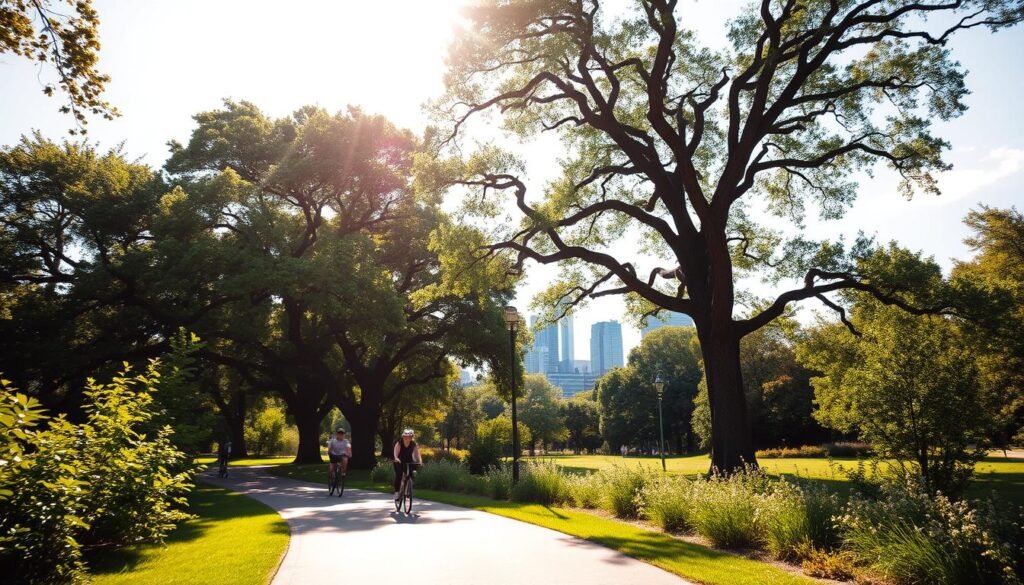
    kansas city trail

    Harry Wiggins Trolley Track Trail: 6 urban miles through Brookside and Waldo

    The Trolley Track runs from Volker Boulevard to 85th & Prospect. It starts as crushed limestone and changes to asphalt. Expect walkers, strollers, and plenty of lunch and shop stops along Wornall and Brookside.

    Indian Creek Trail: 23-mile creek trail linking to Tomahawk Creek in Overland Park

    This long, mostly paved greenway follows I‑435 and connects into Overland Park and Tomahawk Creek. Segments are wide and flat with mile markers and park stops for rest.

    Mill Creek Streamway (Gary L. Haller) Trail: 17 miles

    Seventeen miles through Shawnee, Lenexa, and Olathe. Mostly flat, with short steep kicks and varied scenery. Weekends can be busy, so plan off-peak rides if you want space.

    Route Length (miles) Surface Highlights
    Trolley Track Trail 6 Crushed limestone → Asphalt Shops, cafes, Brookside access
    Indian Creek Trail 23 Paved (wide) Connects to Tomahawk Creek, mile markers
    Mill Creek Streamway 17 Paved Short hills, scenic variety
    Blue River Parkway 15 Natural-surface River views, rock features

    Quick picks: Rock Island is a smooth 13.5-mile gravel route with family stops. Line Creek offers shade and a FixIt station in the Northland. Wyandotte County Lake Park is rugged with punchy climbs.

    Start small at Meadowbrook, Kill Creek, or Loose Park if you want short, confidence-building loops before stretching to longer miles.

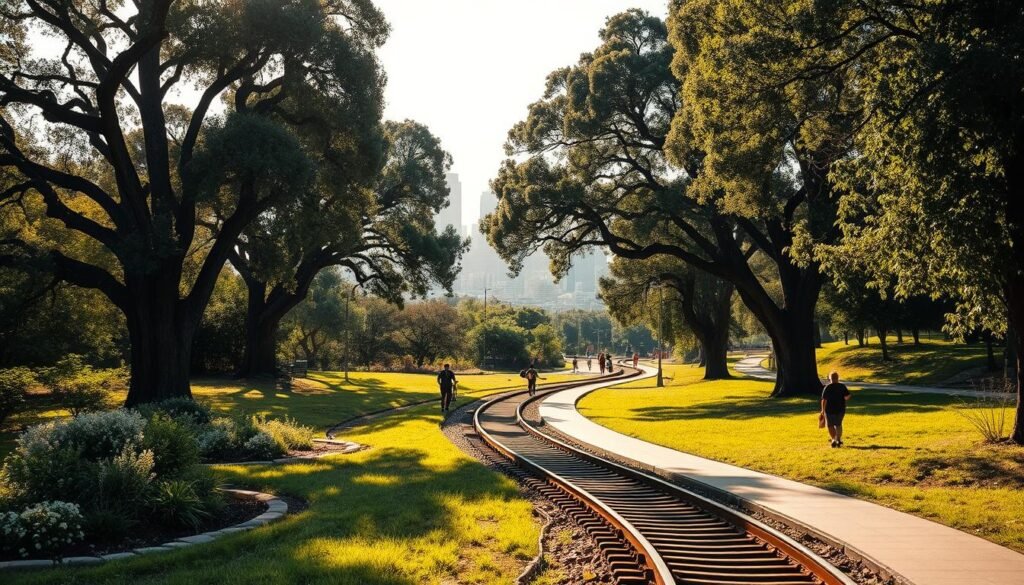
    Spotlight: Trolley Track Trail — Kansas City’s classic urban ride

    The Trolley Track follows an old streetcar way for about six miles from Volker Boulevard to 85th & Prospect. It starts as crushed limestone and becomes asphalt farther south, giving riders a predictable surface for steady cadence.

    Trolley Track trail

    Ride vibe: gentle grades and a friendly, shared-use feel define this corridor. Expect walkers, runners, strollers, and leashed dogs. Keep speeds moderate, signal when passing, and call out when you approach to keep the flow welcoming.

    Access to amenities is excellent—Brookside Boulevard and Wornall Road put coffee, bakeries, and lunch spots within easy reach. The six miles pass through lively blocks, so plan short breaks or an out-and-back to match your time.

    • Trace local history on the former streetcar alignment.
    • Start on crushed limestone; enjoy smoother asphalt further south.
    • Bring lights and a bell for safer passing at busier intersections.

    Access, parking, and trailhead tips across the metro

    Finding the right access and lot near each trailhead saves time and keeps rides relaxed. Start by matching your group to nearby services—restrooms, water, and wide parking can shape the whole outing.

    Indian Creek & Tomahawk Creek connection

    Use Leawood City Park as a simple start to link Indian Creek with the Tomahawk Creek Trail. Overland Park’s ten-mile paved segment is wide and flat with clear mile markers, so pacing is easy for families.

    Tip: Follow the Quivira connector toward Tomahawk Creek to extend rides south to Olathe without loading bikes into a car.

    Mill Creek Streamway trailheads

    Pick a trailhead near services. Shawnee Mission Park (Shelter 8) has restrooms and lake views. Other lots at Ridgeview and Northgate give convenient meeting points and ample parking.

    Arrive early on weekends to secure a spot and avoid crowded starts on the Mill Creek corridor.

    Rock Island and Kill Creek access

    Rock Island offers flexible entry at 98th Street, Hartman Park, Woodson Road, Railroad Street, and Truman Sports Complex. Hartman Park makes a nice mid-ride stop with a creek and playground.

    At Kill Creek Park, meet at Shelter #1 for direct access to the 1.5-mile paved loop and the beginner MTB circuit. Bring a pump and multi-tool; many trailheads have limited facilities.

    • Plan for crossings where paths meet neighborhood streets in Overland Park and Leawood.
    • Keep routes flexible—turn around at the next parking lot or trailhead to shorten the ride.

    Conclusion

    Start with a friendly park loop, then expand into longer greenways as your legs and plans grow. Pick a short loop at Meadowbrook, Kill Creek Park, or Loose Park to build comfort and confidence. These parks offer restrooms, shaded spots, and easy access.

    When you’re ready, link a creek trail to add miles without harsh terrain. Choose family-friendly routes like Rock Island or Line Creek to keep the pace relaxed and the group together.

    Plan smart: bring water, check your gear, and respect crossings and other users. Grab a friend and explore the kansas city area one well-chosen trail at a time.

    FAQ

    What surfaces can I expect on the Trolley Track Trail?

    The Trolley Track Trail runs from Volker Boulevard to 85th & Prospect and features a mix of crushed limestone and short paved stretches. Most of the route is smooth and firm, making it great for hybrid and gravel rigs. Expect occasional transitions where you may need to slow and adjust for surface change.

    How long is the Indian Creek–Tomahawk Creek connection and where are the main access points?

    The combined corridor offers about 23 miles of continuous creekside riding. Key access points include Leawood City Park and several Overland Park trailheads, which provide parking, restrooms, and easy entry to the greenway.

    Are there parking and facilities at Mill Creek Streamway trailheads?

    Yes. Major trailheads in Shawnee, Lenexa, and Olathe include parking, bike racks, and restrooms at select locations. Look for signed lot areas near community parks to access the most developed facilities.

    Which routes are best for a family-friendly ride with kids?

    For family outings choose flatter, paved options like the Rock Island Trail (13.5 miles), Line Creek Trail in the Northland, or short loops at Meadowbrook Park and Loose Park. These routes offer gentle grades, frequent shade, and spots to stop for snacks.

    What should I know about the Mill Creek Streamway’s terrain and difficulty?

    Mill Creek Streamway spans about 17 miles and is mostly flat with occasional short, steeper sections. It’s suitable for riders of varying skill levels; hybrids and mountain bikes work best where there are brief climbs or rougher patches.

    Where are good places to stop for food and coffee along the Trolley Track Trail?

    The trail runs through Brookside and near Wornall Road, putting you close to cafes, bakeries, and bike shops. Brookside Boulevard offers multiple lunch and coffee options within a few blocks of the path.

    Is the Blue River Parkway ride suitable for nature-focused outings?

    Absolutely. The Blue River Parkway provides about 15 miles of more natural-surface riding with river views and wildlife sightings. It’s ideal for riders who want a quieter, scenic experience rather than urban bustle.

    Where can I find trailheads for the Rock Island Trail?

    Major trailheads include 98th Street, Hartman Park, Woodson Road, Railroad Street, and near Truman Sports Complex. These access points offer parking and easy entry to the gravel alignment and family-oriented stops.

    What are parking tips for Kill Creek Park and its beginner loop?

    Park near Shelter #1 for the most direct access to the paved beginner loop. Lots can fill on weekends, so arrive early or plan to use nearby overflow parking. Shelter areas also provide shade and picnic spots for breaks.

    Which rides offer more rugged, off-road options near the lake?

    Wyandotte County Lake Park has roughly 15 miles of more rugged singletrack and doubletrack above the lake. It’s best for mountain bikes and riders who enjoy technical sections and varied terrain.

    Are there tools or FixIt stations along these routes?

    Yes. Some corridors, like Line Creek Trail in the Northland, include a FixIt station. Urban trailheads and popular parks often have basic repair stands or bike racks—carry a compact kit for longer outings.

    How do I plan a loop ride combining multiple trails?

    You can link routes like Indian Creek, Tomahawk Creek, and adjacent connectors to form loops. Use trail maps from local parks departments or apps like TrailLink and regional park websites to plot mileage, parking, and elevation changes before you go.

  • West Bottoms Kansas City Guide: Antiques, First Fridays & Industrial Charm

    West Bottoms Kansas City Guide: Antiques, First Fridays & Industrial Charm

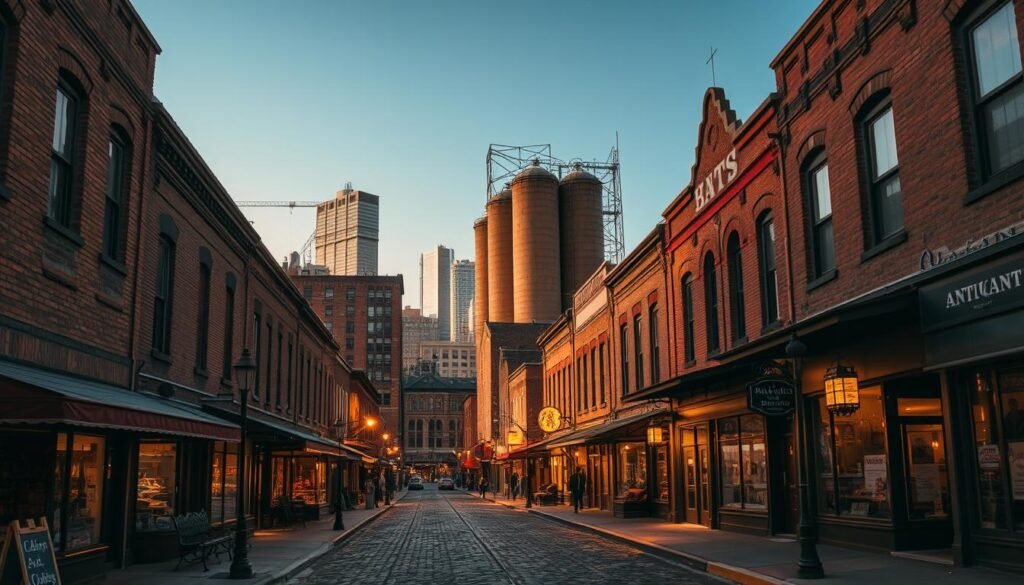
    Eclectic is just the beginning. This historic neighborhood invites antique shoppers and urban explorers to a compact, lively destination. Massive warehouses, brick streets, and industrial bridges frame a day of vintage finds and relaxed eating.

    Expect a seamless flow of activity. Recurring First Weekends have grown into month‑long energy with live shows, shuffleboard, and late-night jazz. The scene blends shopping with bars, wineries, and local breweries for a full sensory experience.

    Come for the antiques and stay for the vibe. From statement furniture to retro apparel, every turn reveals a new maker, shop, or tasting room. This place rewards curiosity and makes exploring easy on foot.

    Key Takeaways

    • Plan a full day to mix vintage shopping with food and drink stops.
    • Warehouses and brick streets create photo-ready urban charm.
    • Live music, bars, and seasonal attractions keep energy high.
    • Local breweries and wineries pair well with an afternoon of browsing.
    • This destination blends historic backbone with modern makers for a unique experience.

    Industrial roots, rich history, and why the West Bottoms is a can’t-miss district

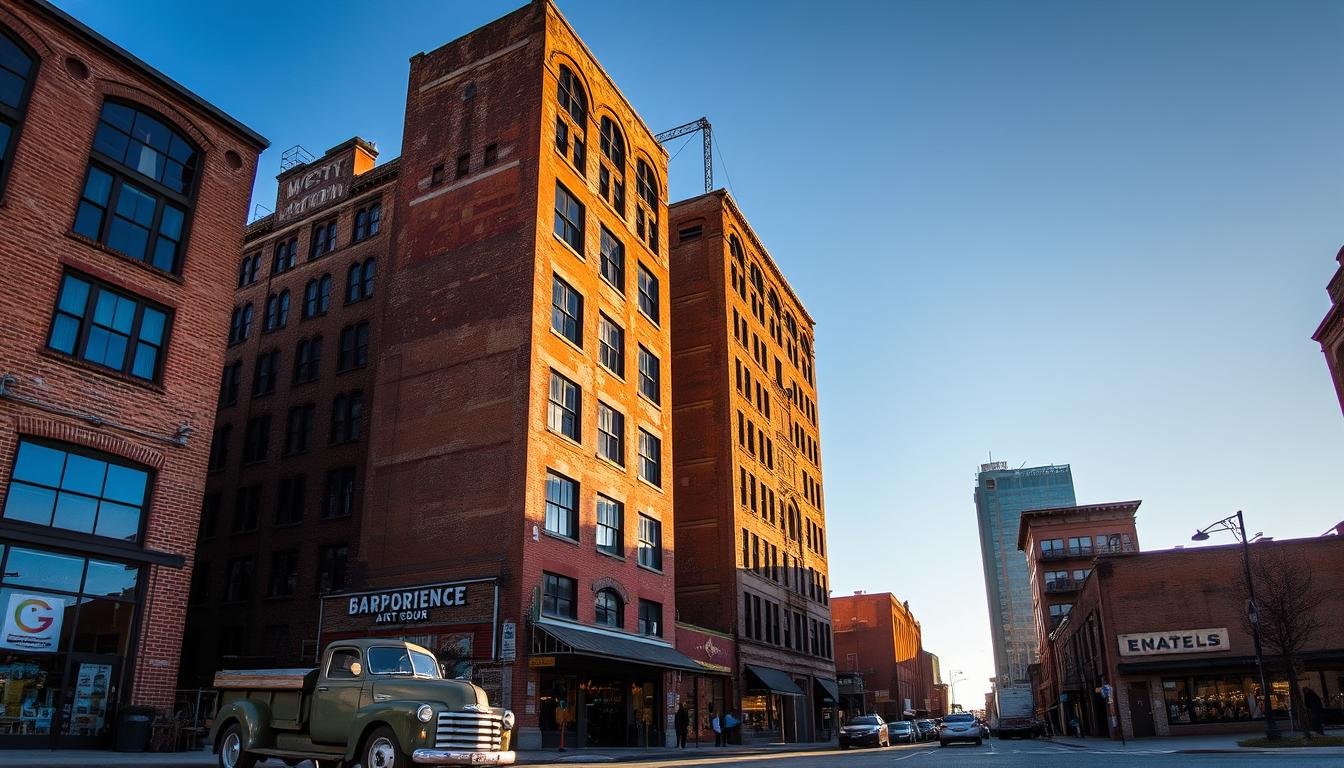
    What began as one of the nation’s busiest stockyard corridors has become a compact district of reclaimed warehouses, murals, and live shows.

    historic district

    From historic stockyards to a revived arts and shopping scene

    The area rose around the country’s second-largest stockyards and the American Royal Complex. That past shaped the architecture and the grid of rails and loading docks you still see today.

    Now, former warehouses host galleries, vintage vendors, and modern eateries. Monthly First Weekends keep energy high and bring visitors to this historic district for markets and music.

    Gritty architecture, street art, and urban exploration vibes

    Brick façades, steel trusses, and ghost signs tell the rich history of a working riverside corridor. Murals, alleys, and bridge columns reward photographers and walkers alike.

    Past Present Why Visit
    Stockyards & rail spurs Galleries & vintage stalls Unique attractions and reclaimed spaces
    Industrial warehouses Live music venues (The Ship, Lemonade Park) Vibrant scene with good food and shows
    Working docks Urban hikes and murals Photography, history, and discovery within west blocks

    First Friday Weekends and vintage treasure hunting

    First Friday Weekends flip the neighborhood into a month-long vintage festival. Many shops raise their doors only on these days, creating a packed market of curated antique finds, live music, and food trucks.

    Why the scene changes

    Energy peaks on friday weekends: vendors layer stalls, galleries stay open late, and seasonal pop-ups appear across the blocks.

    Anchor stores to prioritize

    Hit Good JuJu early—it’s open first Friday and Saturday each month and often nominated KC’s best vintage store. Bella Patina spans floors and includes Painted Rooster on level three. Stuffology is essential for salvage and lighting. Charmed House Interiors stays open beyond the first weekend.

    More great finds and practical tips

    Browse 12th Street Post’s many vendors, grab plants at West Bottoms Plant Co., and check Nook and Cranny or Robin’s Nest, both open most weekends.

    • Arrive near doors open to snag top finds.
    • Wear comfortable shoes and bring a roomy tote or wagon.
    • Carry small bills and expect friendly haggling for deals.

    Hours and non-First Weekend options

    Many stores open first for the month, but several shops and stores stay open on regular weekends for calmer shopping. Follow favorites on social media for sneak peeks before the next first weekend.

    Eat, sip, and unwind: the West Bottoms food and drinks scene

    This neighborhood stitches together wine bars, breweries, and dinner spots into one compact crawl. It’s easy to build a tasting-forward night that stays within walking distance and highlights local flavor.

    amigoni urban winery

    Wine tasting in the city: Amigoni Urban Winery and Fountain City Winery

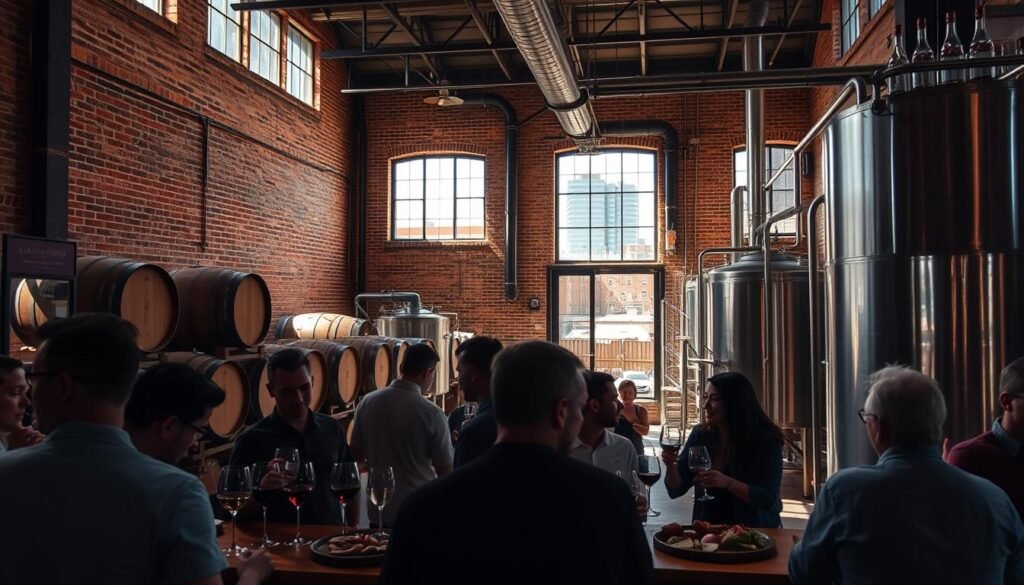
    Start with a flight at Amigoni Urban Winery, set in a restored urban space where pours highlight local grapes and thoughtful blends. Follow that with Fountain City Winery for relaxed pours and frequent live music for an easy evening flow.

    Craft drinks with character

    West Bottoms Whiskey Co. serves craft cocktails—expect a silky Old Fashioned in a warehouse-chic room. Stockyards Brewing Co. pours local beer inside the historic Livestock Exchange, a great stop for pints and laid-back conversation.

    Date-night and casual favorites

    For dinner, Voltaire offers inventive small plates, Golden Ox is the classic steakhouse, and The Campground balances stylish cocktails with seasonal food. For quick bites or coffee between shops, Chef J BBQ (arrive early), Blip Roasters, and Java Garage keep energy up.

    Nights out and live music

    Lemonade Park hosts outdoor shows on busy weekends, while The Ship keeps jazz and soul alive in a throwback lounge. Mix a winery stop with a whiskey cocktail, then cap the night with music—easy planning, big payoff.

    “Start with a wine flight, add a cocktail, then finish with live music for a seamless night.”

    Type Spot Why Go
    Urban winery Amigoni Urban Winery Wine flights in a restored setting, great for pairs
    Winery & music Fountain City Winery Relaxed pours with frequent live music
    Craft cocktails West Bottoms Whiskey Co. Warehouse-chic drinks, standout Old Fashioned
    Local beer Stockyards Brewing Co. Pints in the historic Livestock Exchange
    Casual eats & coffee Chef J BBQ, Blip Roasters, Java Garage Quick bites, strong coffee, and grab-and-go options

    Plan your perfect day in west bottoms kansas city

    Start smart: plan arrival and timing before you hit the streets so your day flows without stress.

    Getting there, parking tips, and best times to visit

    Drive in from downtown in minutes, or ride transit to a downtown stop and grab a quick rideshare. Street parking fills fast during busy friday weekends, so aim to arrive early.

    If you miss the first weekend, many shops still open regular weekends with easier parking and a calmer pace.

    What to wear and bring for a full day of urban discovery

    Pack sturdy shoes and layers for cooler warehouse interiors. Bring a reusable water bottle, a foldable tote or backpack, and a portable phone charger.

    Carry small bills for vendors and keep hands free for stairs and tight aisles. These small choices make the day more fun.

    Beyond shopping: Hy-Vee Arena, American Royal events, and urban hikes

    Drop by Hy-Vee Arena for pickup games or to watch local matches. Next door, the American Royal Complex hosts rodeos and livestock shows that run year-round.

    Consider an urban hike that traces murals, alleys, and skyline views to see more of the area’s industrial charm.

    Seasonal thrills: The Beast, Edge of Hell, and Macabre Cinema

    In fall, cap your visit with seasonal attractions. The Beast, Edge of Hell, and Macabre Cinema turn a regular weekend into a thrilling night out.

    “Aim to arrive early on first friday dates—parking is tight, the music is loud, and the best finds go fast.”

    • Plan snack and hydration stops for a full day on foot.
    • Check event calendars ahead to match shops and events to your route.
    • Keep a flexible mindset—some of the best discoveries are unplanned.

    Conclusion

    Come ready to explore. The west bottoms neighborhood blends vintage shopping with food, wine tasting, and live music for a memorable weekend experience.

    Time your visit for a first friday or one of the broader first friday weekends to see the most vendors and pop-up events. Even on quieter weekends, select stores and antique stores reveal great finds.

    Plan to arrive near opening, carry a tote, and mix browsing with a late-afternoon tasting or craft drink. This compact district rewards repeat visits and offers options for every style of shopper.

    Support local shops, savor the flavors, and leave with both stories and signature pieces that make this destination feel like home.

    FAQ

    What makes the West Bottoms district a must-visit destination?

    The area mixes industrial roots, gritty architecture, and a revived arts and shopping scene. You’ll find vintage shops, antique stores, street art, and events that celebrate the neighborhood’s rich history and craft-driven culture. It’s a spot for urban exploration, unique finds, and lively weekends.

    When are First Friday Weekends and how do they change the neighborhood?

    First Friday Weekends typically occur the first weekend of each month. Galleries, shops, and pop-ups extend hours, live music appears in courtyards, and food trucks or seasonal vendors set up. It’s the best time to find rare vintage pieces and soak up the festival atmosphere.

    Which antique stores should I prioritize during a visit?

    Must-stops include Good JuJu, Bella Patina, Stuffology, and Charmed House Interiors. These shops offer diverse selections from mid-century furniture to decorative finds. Arrive early for the best picks and bring a tote or small dolly for heavier items.

    Are there other notable shops and spots for unique finds?

    Yes. Check out 12th Street Post, West Bottoms Plant Co., Nook and Cranny, and Robin’s Nest for curated home goods, plants, and one-of-a-kind decor. Many stores rotate inventory, so repeat visits often yield new treasures.

    What are typical hours and can I shop on non-First Weekend days?

    Many stores open regular weekend hours and some stay open weekdays. Hours vary by business—some only open select days—so check shop websites or social profiles before you go. Non-First Weekend days are quieter but still great for browsing without crowds.

    Any practical shopping tips for exploring the district?

    Wear comfortable shoes, bring a reusable tote, and carry small bills for quick purchases. If hunting bargains, be ready to negotiate politely. Pack a phone charger and measure doorways for big furniture. Consider a plan for loading and transport before buying large pieces.

    Where can I enjoy wine tasting nearby?

    Amigoni Urban Winery and Fountain City Winery offer approachable tasting options right in the neighborhood. They provide a relaxed spot to sample vintages, learn about urban winemaking, and unwind between shopping stops.

    What other drink and nightlife options are available?

    For craft spirits and beer, try West Bottoms Whiskey Co. and Stockyards Brewing Co. Date-night and dinner spots include Voltaire, Golden Ox, and The Campground. Live music venues like Lemonade Park and The Ship often host performances on weekend nights.

    Where can I grab casual bites or coffee during my visit?

    Stop by Chef J BBQ for hearty plates, Blip Roasters for specialty coffee, or Java Garage for a quick caffeine fix. Food trucks also rotate through event weekends, offering diverse and convenient options.

    What are the best times to visit for parking and crowds?

    Weekday mornings and non-event afternoons are easiest for parking and quieter browsing. First Friday Weekends draw crowds, so plan to arrive early or use nearby paid lots. Rideshare works well if you prefer to avoid parking hassles.

    How should I dress and what should I bring for a full day here?

    Dress in layers and wear sturdy shoes for walking on uneven surfaces. Bring water, a tote or backpack, and a phone with camera. A compact rain jacket is helpful in changeable weather, and a tape measure can confirm fit for larger buys.

    What attractions and events extend beyond shopping in the neighborhood?

    Nearby highlights include Hy-Vee Arena events, American Royal happenings, and seasonal attractions such as The Beast and Edge of Hell. The area’s industrial architecture also makes for great urban hikes and photo opportunities.

    Are family-friendly activities available?

    Yes. Some markets and pop-ups welcome families, and seasonal events often include kid-friendly features. Check event listings for specific activities and age-appropriate entertainment before you go.

    Can I find live music and seasonal pop-ups during my visit?

    Absolutely. Live music frequently appears during First Friday Weekends and other special events. Seasonal pop-ups, food vendors, and craft markets enhance the experience—follow local event calendars for schedules and performer lineups.

  • Comedy Clubs Kansas City Guide: Best Spots for Stand‑Up & Laughs

    Comedy Clubs Kansas City Guide: Best Spots for Stand‑Up & Laughs

    Ready for a great night out? This guide walks you from browsing lineups to the moment you buy tickets and head to the venue. You’ll find quick tips for reading a calendar, choosing the best seat, and picking the right event time.

    The Bird Comedy Theater sits in the Crossroads Arts District and is known for improv, sketch, and stand-up. Doors open 30 minutes before performances. The venue has an in-house bar with liquor, beer, wine, soft drinks, and snacks.

    Street parking and the 19th Street Streetcar stop make arrival easy. Most shows list a recommended age of 18+ unless noted. We explain ticket types from front-row tables to general admission in the back half of the room.

    Follow our step-by-step tips to buy tickets on mobile or desktop, lock seats for a date night or birthday, and spot where performers sign up to test new material. By the end, you’ll know how to compare venues and pick the perfect show with confidence.

    Key Takeaways

    • Find venue details like doors opening 30 minutes early and in-house bar options.
    • Learn how to read a calendar and compare weekly lineups to special events.
    • Choose seats confidently—from front-row tables to the back half general admission.
    • Buy tickets quickly on mobile or desktop with step-by-step guidance.
    • Plan arrival using street parking and the nearby 19th Street Streetcar stop.

    Top Comedy Club Directory in Kansas City

    Find a lively spot in the Crossroads Arts District where improv troupes and stand-up sets share the same stage. The Bird Comedy Theater programs improv, sketch, and weekly stand-up with doors opening 30 minutes before each performance.

    The Bird Comedy Theater — Improv, Sketch, Stand‑Up in the Crossroads Arts District

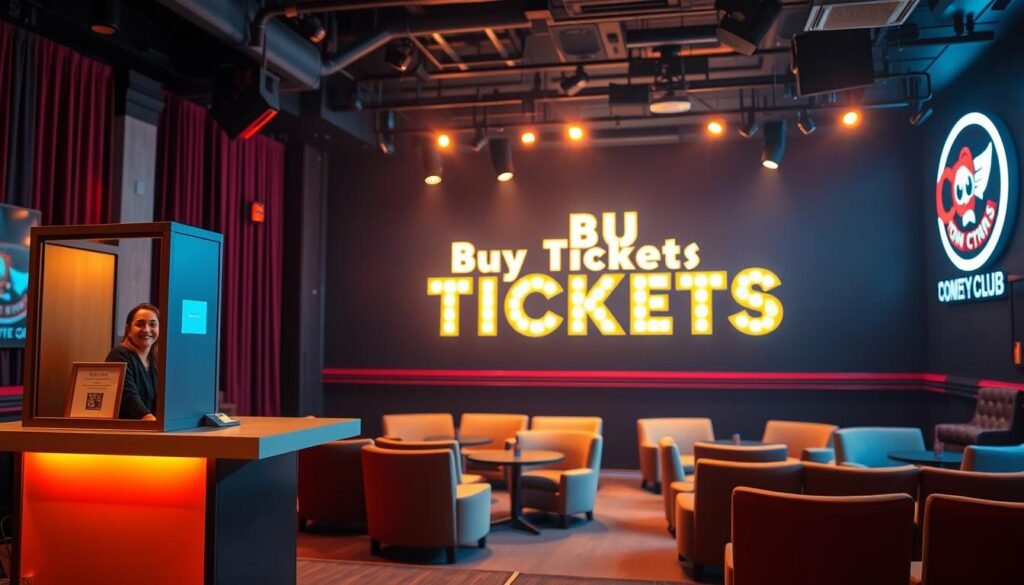
    Start by scanning the venue page to View Full Calendar or hit the prominent Buy Tickets buttons. Use the calendar to pick a specific show, confirm start time, age guidance, and seating before you buy tickets.

    How to access each club’s View Full Calendar and Buy Tickets links

    Click View Full Calendar to see the month at a glance. Drill into a listing, check ticket categories like Front Row Table, Preferred Seats, General Admission (usually the back half), or a Party Table, then complete checkout.

    Weekly shows vs. special event nights: what to expect

    Weekly programming features house teams and showcases. Special nights bring touring headliners or curated events. For time‑sensitive picks, go straight from the calendar to the show page and buy tickets to lock your spot.

    How to Buy Tickets and Choose Your Seats

    Knowing what each seat type covers makes it easy to choose. Read the options, pick the one that fits your group, then use the quick buy flow to lock in your plan.

    buy tickets

    Front Row Table for 2

    Front Row Table for 2 covers admission for two people with one purchase. It’s ideal for date nights or when you want an intimate view. You do not need to buy two tables for two guests.

    Preferred Seats

    Preferred Seats sit close to the stage and are held until 5 minutes before the show. Arrive early if you want the best of these spots. They balance proximity and convenience without a full table commitment.

    General Admission

    General Admission usually starts in the back half of the showroom. This option is budget-friendly and flexible. Arrive a bit earlier to claim a good sightline in the half you prefer.

    Party Table for 10

    Party Tables seat up to ten people at a designated table near the front of the GA section. They’re perfect for birthdays, team outings, or any celebratory party. Food and drink are purchased separately.

    Quick Path to Buy Tickets

    • Open the event listing and choose Front Row, Preferred, GA, or Party Table.
    • Tap the Buy Tickets button to reserve your selection fast.
    • Consider how many minutes before showtime you’ll arrive to secure preferred seating.

    Upcoming Shows and Events: What’s On Now

    Scan the coming months to spot headline acts and late‑night discoveries playing through November and December. Use the site tools to move from browsing to booking in just a few taps.

    November and December highlights you can buy tickets for

    View All Events lets you scan weekend headliners and weekday showcases at a glance. Click any listing and buy tickets from the event page without hunting for another link.

    Use the View Full Calendar and navigation tools

    • Open View Full Calendar to align dates with friends and plan arrival minutes ahead.
    • Weekend lineups often feature marquee acts; weeknights are great to discover new voices and fresh material.
    • For each event, check ticket options: Preferred Seats up front or a flexible GA spot in the back half.
    • Looking to celebrate? Find a party‑friendly listing and reserve a Party Table so your group sits together.
    • Watch sell‑through pace—if a particular show is buzzy, buy tickets early to secure your seat category.
    • On mobile, the BUY TICKETS button is easy to tap; on desktop, the same call appears near the top and bottom of the listing.
    • Arrive with a few extra minutes to grab a drink, settle in, and enjoy the pre‑show energy.

    Open Mic and $5 Show Opportunities

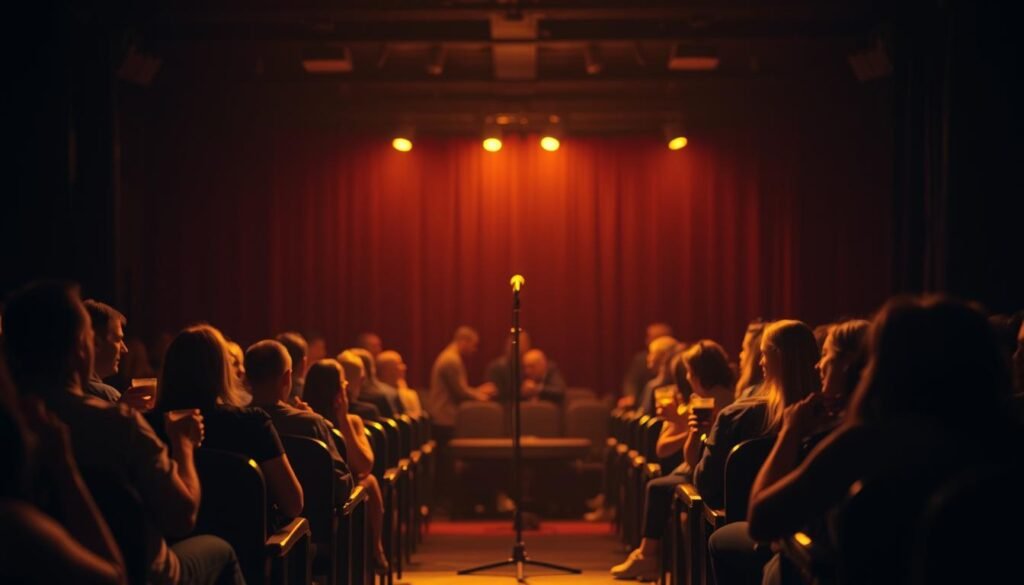
    Jump into the open mic by signing up at the box office at 8:30pm and preparing a tight 3‑minute set. This format gives emerging performers a slim window to test fresh work and get honest room feedback.

    The $5 show starts at 9:30pm. Arrive early to warm up, confirm your spot, and steady your nerves so your minutes on stage land clean.

    open mic

    • Performers: sign up at 8:30pm, aim for a clear opener and a strong finish in three minutes.
    • Audience: bring friends to boost energy and buy tickets in advance to avoid missing the start.
    • Use this show to refine tags, timing, and crowd work before stepping up to longer sets.
    Item Sign‑up Time Set Length Start Time
    Open Mic Slot 8:30pm 3 minutes 9:30pm
    $5 Show — Performer Tip Arrive early Trim to essentials Be ready at 9:30pm
    Audience Guidance Box office Enjoy the short sets Buy early to secure seats

    After the show, connect with other acts, swap tapes, and return regularly. This steady practice helps your best minutes grow into a longer showcase set you can confidently buy into later.

    Comedy Clubs Kansas City: Amenities, Access, and Age Guidelines

    Arriving with time to spare makes for a smoother, more relaxed evening. Plan to be there at least 30 minutes before curtain so check-in, seating, and a quick drink don’t feel rushed.

    Doors, bar, and timing

    Doors open 30 minutes before each performance. The in-house bar serves liquor, beer, wine, soft drinks, and snacks so you can settle in well before the first bit.

    Getting here and parking

    Street parking is available near the venue. The theater sits about a block and a half west of the 19th Street Streetcar stop, making transit an easy option if you prefer not to drive.

    Seating notes and age policy

    General admission seating begins in the back half of the showroom; arriving early usually improves your vantage point. Party Tables for 10 sit at the front of the GA section for a more connected group experience.

    Amenity Detail Tip
    Doors 30 minutes before show Arrive early to check in
    Bar Liquor, beer, wine, soft drinks, snacks Buy drinks before seats fill
    Transit Street parking; 1.5 blocks from 19th St Streetcar Allow extra minutes for walking
    Age Recommended 18+ unless noted Bring valid ID for entry and bar

    Front-of-house staff will guide seating choices and answer questions about the room. If you’re celebrating, coordinate your group’s arrival minutes ahead of curtain so your party can toast together and enjoy the show.

    Classes, Corporate Events, and Private Parties

    Whether you want to study improv or organize a group night, the venue makes it simple to plan and book. The theater offers options for learners and planners alike.

    Improv classes run from single drop‑in sessions to intensive sixteen‑week advanced courses. Drop‑ins let you test the format with low commitment. Longer tracks build stage skills, timing, and teamwork.

    Corporate gatherings and private party bookings

    The theater can host your team or bring performers to your location for a custom event. Choose a mix of interactive workshops and showcases to boost morale and spark creativity.

    • Private party formats: short‑form improv, polished showcases, or hybrid workshops for birthdays and engagements.
    • Classes strengthen confidence and listening—useful for preparing a show or improving public speaking at work.
    • Reserve early, share group size and AV needs, and ask about recommended runtimes and intermissions.
    • Ready to buy add‑ons or confirm dates? Reach out via the theater’s Book Your Event option to lock the plan.

    Quick Tips for a Great Night Out

    Plan a smooth night by lining up a few minutes early to beat the crowd and pick the best seats. A short lead time makes check‑in fast and gives you first choice of Preferred Seats held until 5 minutes before the start.

    Arrive early to secure preferred seating and settle in

    Small timing choices matter. Doors open 30 minutes before showtime, so arriving extra minutes ahead helps you claim a spot near the front of the line.

    • Arrive a few extra minutes before doors to secure Preferred Seats and get comfy.
    • If you prefer flexibility, General Admission begins in the back half; earlier arrival improves your options.
    • Buy tickets in advance to avoid sellouts and skip the box office; keep digital copies handy for quick scanning.
    • Use the 19th Street Streetcar or allow time for street parking on busy nights.
    • Grab drinks and snacks early—the bar offers liquor, beer, wine, soft drinks, and snacks so you’re settled before lights dim.
    • For groups, reserve a party table so everyone sits together and you aren’t juggling seats at the last minute.
    • If timing is tight, check the listing start time and aim to arrive 15–20 minutes early for smoother check‑in.

    Still deciding? Bookmark top picks and return later to buy tickets once plans lock. A little prep goes a long way toward a relaxed, fun night at the show in the back half or up front.

    Conclusion

    You can now move from browsing calendars to securing the best seats in just a few clicks. Use the venue calendar, pick Front Row, Preferred, GA in the back half, or reserve a party table that keeps your group together.

    Remember timing: doors open 30 minutes before curtain, and Preferred Seats hold until five minutes prior. Arrive early to settle, grab a drink, and enjoy a smooth check‑in.

    Creators and fans should keep the open mic on their radar—performers test new bits and audiences see fresh talent. When you’re ready, buy tickets early to lock your spot for the next great show.

    FAQ

    How do I buy tickets for a show and choose my seats?

    Buy tickets online via each venue’s ticketing page or at the box office. Select your ticket type—Front Row Table, Preferred Seat, General Admission, or Party Table—then complete checkout. Preferred seats are often held until five minutes before curtain, so arrive early to keep them.

    What does a Front Row Table for 2 include and when should I book it?

    A Front Row Table for 2 places you closest to the stage with table service in many venues. These sell out fast for headliners and weekend shows, so book as soon as tickets go live or at least a few days before the event.

    How can I buy a Party Table for 10 for a celebration?

    Contact the venue’s box office or use the private booking link on their site to reserve a Party Table for 10. Provide the date, show, and any food or beverage requests. Deposit or full payment may be required for larger groups.

    What are the rules and sign-up process for open mic nights?

    Open mic sign-ups usually happen at the box office about 30–60 minutes before the show—check the venue’s calendar. Sets are commonly three minutes. Arrive early to secure a spot and bring a few friends to support you on stage.

    How do I find weekly shows vs. special event nights?

    Use the venue’s View Full Calendar or View All Events tool to filter by weekly lineups, special guests, and one-off shows. Weekly nights often feature rotating lineups and discounted shows, while special events list headliners and themed performances.

    When do doors open and what should I expect on arrival?

    Doors typically open 30 minutes before showtime. Arrive early to check in, get your preferred seating, and order drinks. Box office staff can confirm any seating holds and finalize last-minute ticket purchases.

    What age restrictions and ID rules apply?

    Most shows are 18+ unless noted otherwise. Valid photo ID may be required for entry and to purchase alcohol. Check the event listing for any exceptions or family-friendly performances.

    What amenities are available at the venue?

    Expect an in-house bar serving liquor, beer, wine, soft drinks, and snacks. Many rooms offer table service, restrooms, and accessible seating. For full accessibility details, contact the venue ahead of your visit.

    Where should I park and how do I access public transit?

    Street parking is common near theater districts, and some venues suggest nearby paid lots. The 19th Street Streetcar stop or local bus lines often serve the area—check transit maps for the best route on event night.

    How do I quickly find and buy tickets for any show?

    Use the venue’s main page and click View Full Calendar or View All Events. Pick your date, choose seating type, and use the Buy Tickets button to complete purchase. For same-night plans, call the box office to confirm availability.

    Are there classes or corporate options available at the theater?

    Yes. Many theaters offer improv classes from drop-in sessions to advanced sixteen-week courses. They also host corporate events and private parties—contact the box office or events team to get rates and availability.

    What are quick tips to ensure a great night out?

    Arrive early, bring ID, book preferred seating when possible, and check the event’s start time. For groups, reserve a Party Table in advance. Support performers by arriving on time and keeping conversations low during sets.

  • Best Dog Parks in Kansas City: Off‑Leash Fun for Your Pup

    Best Dog Parks in Kansas City: Off‑Leash Fun for Your Pup

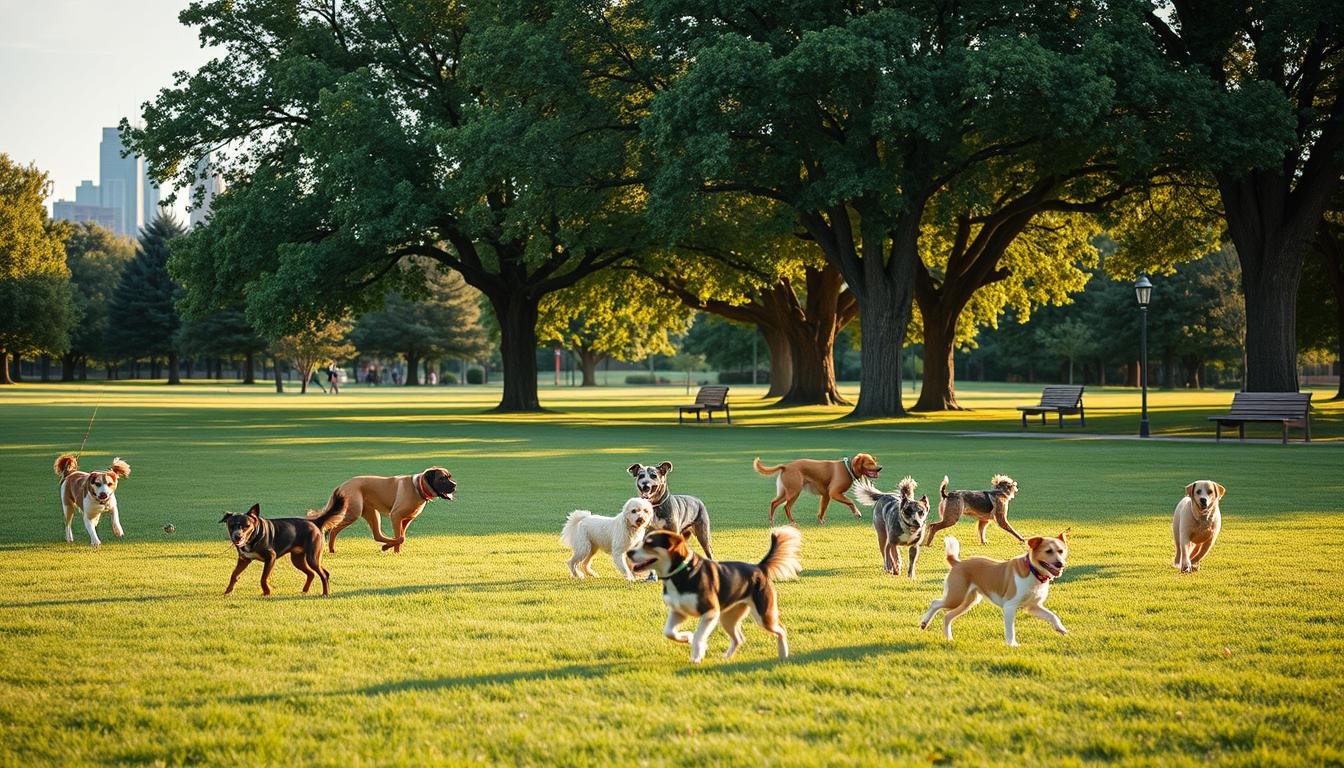
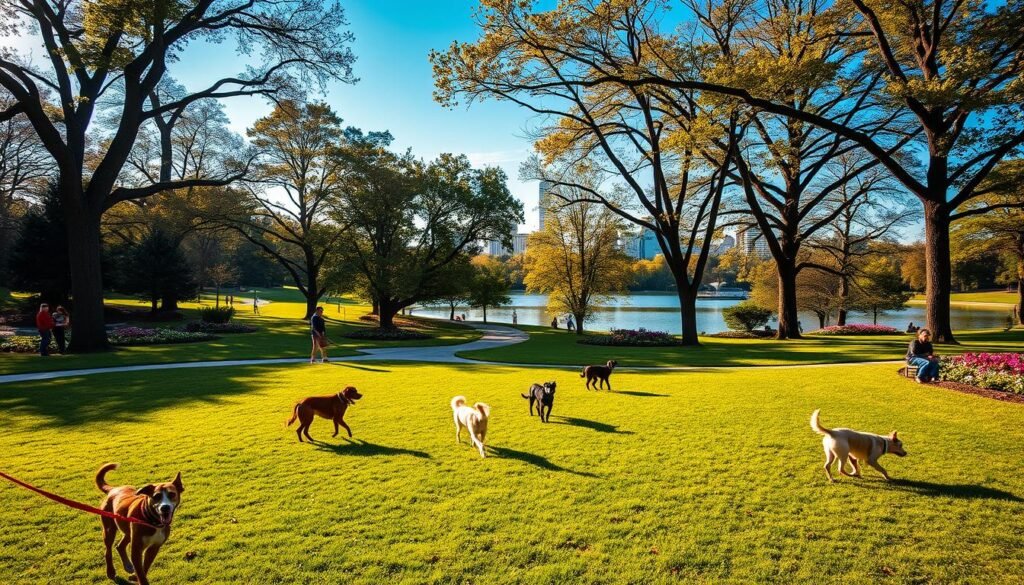
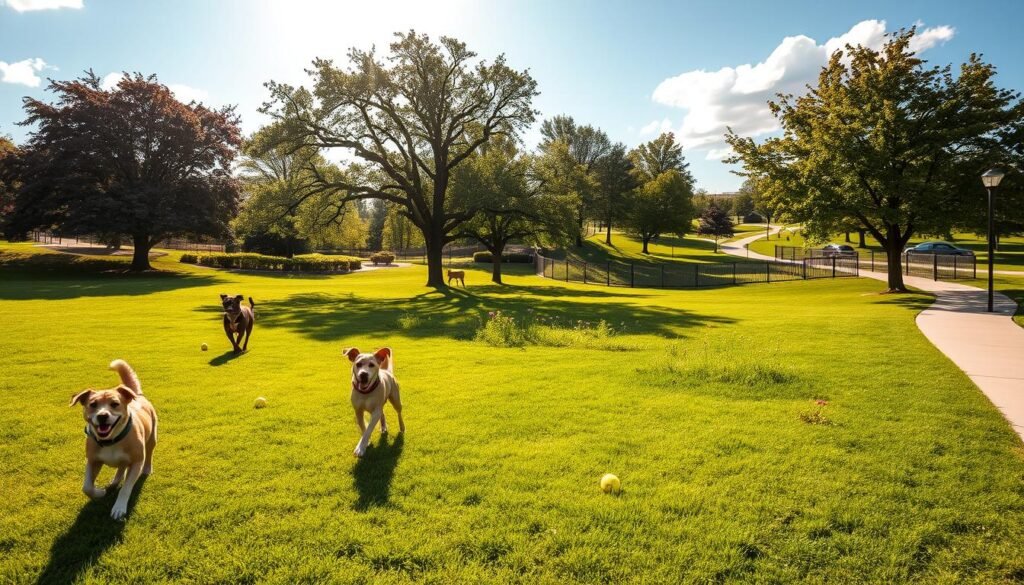
    Discover top off‑leash spots across kansas city where dogs can run, explore, and meet new friends. This short guide points you to fenced neighborhood favorites and big destination areas with water access, shade, and trails.

    We highlight real locations like Bar K at Berkley Riverfront, Swope Park Off‑Leash Dog Park, Shawnee Mission Park’s 44‑acre area, and Penn Valley’s split sections for small and large dogs. You’ll also find agility courses at Waggin’ Trail and membership spaces downtown at West Terrace.

    Each listing notes hours, amenities, and simple etiquette so owners can plan safe, fun visits. Check status updates too — spots such as Platte Landing sometimes close large areas for grass recovery.

    Key Takeaways

    • Find fenced and open‑space options across kansas city for every pet size.
    • Look for water, shade, and separate sections for small and large dogs.
    • Note unique features like beaches, trails, and agility equipment.
    • Follow basic rules and leash guidance to keep visits safe and friendly.
    • Verify hours and temporary closures before you go.

    Where to Play Now: How We Picked the Best Off‑Leash Parks Around Kansas City

    We ranked off‑leash areas by safety, upkeep, and how easy they are to reach. That simple framework guided every visit and review.

    parks kansas city

    Core etiquette and safety matter most. Handlers must supervise, follow posted rules, keep a leash handy, and clean up after their pets. Young children should not roam the off‑leash area alone; older kids need adult supervision.

    “Handlers assume responsibility for behavior and health — licensed, vaccinated, and healthy animals keep everyone safe.”

    • We favored spots with separate sections by size so smaller companions can feel secure.
    • Accessibility was crucial: parking, paths, restrooms, and drinking fountains made a big difference for owners and pets.
    • Unique features — ponds, trails, agility gear, and staffed supervision — raised a park off‑leash area above the rest.
    • Clear signage, tidy waste stations, and active maintenance signaled consistent care and better visitor experiences.

    Finally, we checked recent hours and closures so the listings below reflect what you’ll actually find when you visit.

    The Best Dog Parks Kansas City Has Right Now (MO Side)

    Here are Missouri’s standout off‑leash venues, selected for layout, upkeep, and features that owners value.

    Penn Valley Off‑Leash Dog Park

    Location: 29th & Wyandotte. Two fenced sections: 2.7 acres for larger dogs and 1.8 acres for small, elderly, or handicapped pups.

    Double‑gated entries make arrivals safe. Open daily from 5 a.m. to midnight.

    Swope Park Off‑Leash Dog Park

    Five acres split into size‑based areas. Regular maintenance, reliable water fountains, and broad hours (5 a.m.-midnight) help make visits easy.

    Bar K at Berkley Riverfront

    This staffed off‑leash dog park pairs play with social life. Dogtenders supervise, a small‑dog zone sits next to the bar, and events run often.

    Waggin’ Trail (North Kansas City)

    Features a walking loop, an agility course, three tunnel runs, benches, and two accessible water fountains. Hours typically 6 a.m.-9 p.m.

    West Terrace Dog Park

    Members only for now. Expect benches, shade pavilions, river views, and fountains when memberships resume.

    Location Size Key Features Hours / Notes
    Penn Valley 2.7 & 1.8 acres Double gates, separate sections 5 a.m.-midnight
    Swope Park 5 acres Split areas, water fountains 5 a.m.-midnight
    Waggin’ Trail Trail + course Agility course, tunnel runs, fountains 6 a.m.-9 p.m. / sunset
    Bar K Staffed area Dogtenders, events, small‑dog zone Memberships or guest passes

    “Penn Valley puts you minutes from downtown with double‑gated security and clear section options.”

    Other Missouri options include Platte Landing, Blue Springs, Liberty (Stocksdale), Dogwood (Lee Summit), and Tails & Trails.

    Tip: Check status updates before visiting—large sections at Platte Landing may close for grass recovery.

    Top Kansas‑Side Dog Parks Near Kansas City

    Wide fields, lakeside trails, and shaded loops make the Kansas side a great place for off‑leash play.

    dog parks kansas

    Shawnee Mission Park Off‑Leash Area

    44 acres with a paved trail to the lake and beach. Open grasslands and woods offer varied terrain for play.

    Weekday mornings are quieter for timid dogs.

    Heritage Park Off‑Leash (Olathe)

    30 acres fenced around a pond with shade trees, trails, parking, restrooms, and drinking fountains. Accessible layout makes longer visits easier.

    Thomas S. Stoll (Overland Park)

    Seven acres of well‑kept open space. This off‑leash dog park is tidy and great for steady footing during runs.

    Leawoof (Leawood)

    Separate sections for small dogs and larger breeds. Open sunrise to sunset for flexible meetups and casual play.

    Wyandotte County Lake Park Off‑Leash Area (KCK)

    Lakeside setting with roomy space to roam. Breezes and views make this an inviting stop on a north Kansas outing.

    Location Size Highlights Notes
    Shawnee Mission 44 acres Paved trail, lake access, woods Year‑round; weekends busy
    Heritage Park (Olathe) 30 acres Pond, shade, restrooms, fountains Accessible parking and sidewalks
    Thomas S. Stoll 7 acres Well‑maintained turf Good for steady runs
    Leawoof Separate zones Small & large sections Sunrise–sunset hours
    Wyandotte County Lake Park Roomy area Lakeside views, open space Quieter alternative on the Kansas side

    “Bring water and plan shade breaks on warm days; short sessions keep play positive.”

    Conclusion

    Conclusion

    From staffed venues like Bar K to municipal favorites such as Swope and Penn Valley, kansas city offers varied off‑leash areas for every outing.

    Match a dog park to your companion’s style—quiet trails, social zones, or spots with agility equipment and a short course. Look for water, fountains, and benches to pace active sessions.

    Scan posted rules and current hours before you go; owners who follow etiquette keep these spaces open and welcoming. Note membership sites like West Terrace and temporary closures at places such as Platte Landing.

    Rotate locations — blue springs and lee summit add variety — pack water, treats, and waste bags, and enjoy an off‑leash dog adventure that builds confidence and strengthens your bond.

    FAQ

    What should I bring to an off‑leash area to keep my pet safe and comfortable?

    Bring fresh water, a collapsible bowl, waste bags, and a secure collar with ID tags. A towel and wipes help after muddy play, and a lightweight first‑aid kit is smart for minor scrapes. For training or recall work, use a long line and high‑value treats.

    Are there fenced sections for small dogs and separate areas for larger breeds at local off‑leash sites?

    Yes. Many locations offer separate fenced sections for small and large animals to reduce size‑related stress and prevent rough play. Check each park’s map or website for exact layouts and rules before visiting.

    How can I find parks with agility equipment, water fountains, or a dog wash nearby?

    Look at official park pages and community listings for amenity details—agility courses, water fountains, and dog wash stations are usually highlighted. Social media groups and local pet organizations also share up‑to‑date info and photos.

    What are common rules at off‑leash sites that owners must follow?

    Typical rules include: keep animals supervised, pick up waste, ensure vaccinations and licenses are current, remove pets that show aggressive behavior, and obey posted hours. Leashes are often required outside fenced areas.

    Can I visit member‑only or staffed off‑leash facilities without a membership?

    For member‑only parks, membership is usually required; some offer day passes or trial visits. Staffed venues like off‑leash dog bars may allow nonmembers during specific hours—check each facility’s policies and reservation needs.

    How can I tell if a play area is well maintained and safe for animals?

    Signs of good maintenance include clean grounds, clearly posted rules, functioning water stations, secure fencing, and recent equipment upkeep. Regular trash pickup and visible staff or volunteers are also positive indicators.

    What should I do if my pet gets injured or becomes aggressive at an off‑leash site?

    Separate the animals calmly and get the injured pet to a safe space. For bites or serious injuries, seek veterinary care immediately. Report aggressive incidents to park staff or local officials so they can address hazards and enforce rules.

    Are there trails and walking loops connected to any off‑leash areas for longer exercise sessions?

    Yes. Many off‑leash areas connect to walking trails or looped paths for longer outings. Trails offer mixed terrain, shaded sections, and scenic spots—ideal for active pets and owners seeking extended exercise.

    Do regional off‑leash areas provide restrooms, benches, and shaded seating for owners?

    Many do. Popular sites often include benches, shade pavilions, restrooms, and drinking fountains for people. Amenities vary, so confirm on park websites or local maps to plan for breaks and comfort.

    How do I find the most current status of a park’s large‑dog area or seasonal closures?

    Check municipal park websites, official social feeds, or local recreation department pages for alerts about closures, maintenance, or seasonal restrictions. Calling the park office can give immediate confirmation before you go.

    Are there etiquette tips for introducing my pet to new friends at a busy off‑leash location?

    Approach slowly, watch body language, and allow sniffing in neutral space. Keep initial visits short, step in if play becomes too intense, and use voice cues or treats to redirect excitement. Respect other owners’ space and requests.

    Can I host a meetup or training session at an off‑leash facility, and do I need permits?

    Many parks allow small meetups, but larger gatherings or formal training classes often require permits or coordination with park staff. Contact the park’s management or parks department to learn about reservations, fees, and rules.

    How early or late can I visit most off‑leash areas in the region?

    Hours vary by location; some open at sunrise and close at sunset, while member or staffed parks may offer extended hours. Always verify posted hours and seasonal changes before planning an early or late visit.

    What’s the best way to learn about new or lesser‑known off‑leash spaces in the metro area?

    Join local pet groups on social media, follow municipal parks departments, and subscribe to neighborhood newsletters. Word‑of‑mouth from fellow owners often uncovers hidden gems like smaller fenced areas or trails with agility features.

  • Live Music Venues in Kansas City: From Indie Shows to Arenas

    Live Music Venues in Kansas City: From Indie Shows to Arenas

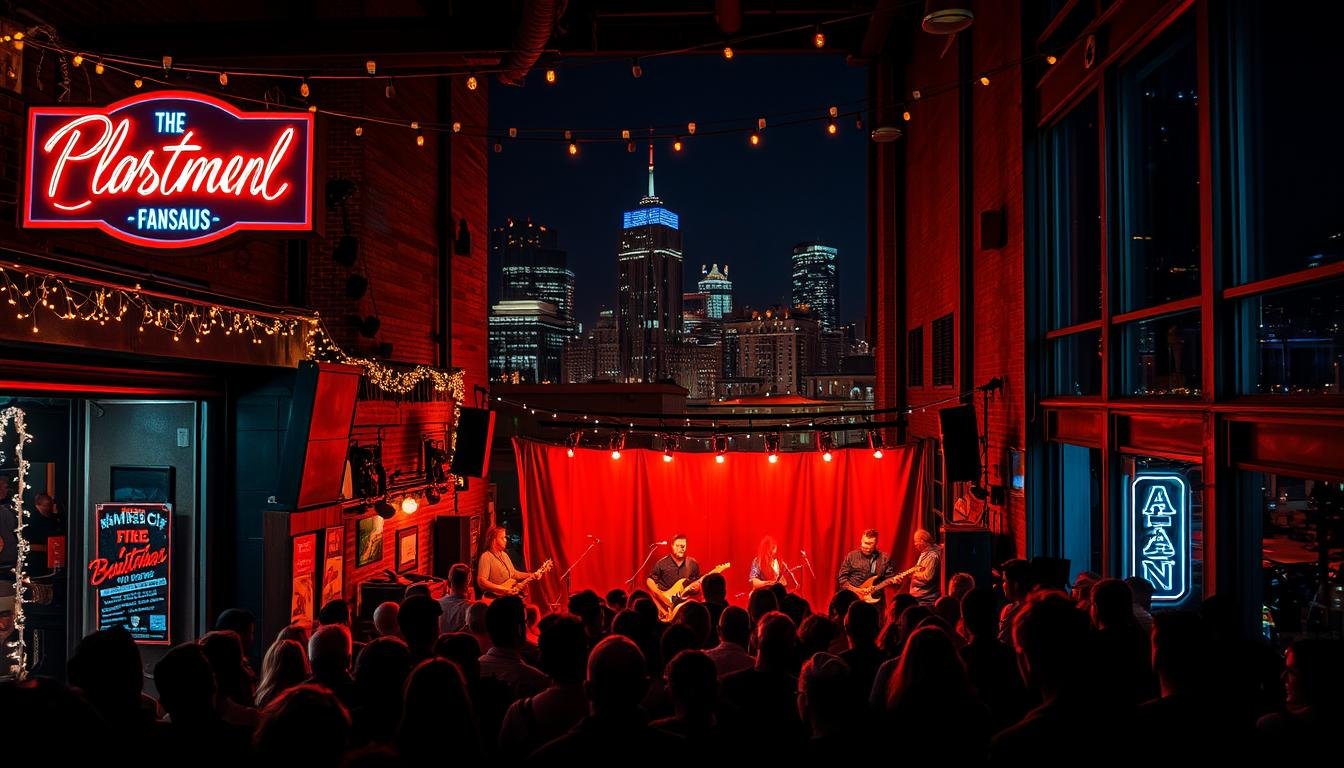
    Explore a sweep of venues that ranges from intimate jazz rooms to full-scale arenas. This guide maps spots across neighborhoods so you can pick the right vibe, time, and ticket option. Find addresses and phone contacts for quick planning, from T-Mobile Center to cozy lounges on Grand Boulevard.

    Daily jazz and big stages define the scene. Catch nightly jazz at Green Lady Lounge or Black Dolphin, visit The Blue Room for 18th & Vine heritage, or aim for arena shows at T-Mobile Center and the Kauffman Center for orchestral performances.

    Use this directory to compare tiers at a glance: supper clubs, midsize theaters, outdoor amphitheaters, and stadiums. See real-time examples like Riley Green at T-Mobile Center or Thundergong at Uptown Theater to spark plans and jump on tickets while they last.

    Key Takeaways

    • Map venues by neighborhood to match vibe and convenience.
    • Nightly jazz options make for authentic local experiences.
    • Outdoor and arena stages host seasonal highlights and major tours.
    • Keep addresses and phone numbers handy for quick ticketing.
    • Decide by atmosphere: supper club, lounge, tavern, or arena.

    How to Use This Kansas City Live Music Directory Right Now

    Pick a neighborhood and your preferred vibe, then narrow options by venue size and ticket access. Start with anchors like Power & Light, Crossroads, 18th & Vine, West Bottoms, East Bottoms, Midtown/Westport, and the Plaza. These hubs cluster clubs, theaters, and arenas for easy planning.

    Confirm details before you go. Use addresses and phone numbers to check show times, age limits, and accessibility. Click official venue links — T-Mobile Center, Uptown Theater, recordBar, Knuckleheads, The Ship, and The Blue Room — to buy tickets and skip reseller fees.

    • Filter by vibe: jazz, indie, country, or orchestral, then pick the closest neighborhood for dining and parking.
    • Save calendars and set alerts for hot shows and festivals to avoid sold-out nights.
    • Plan transit: garages near Power & Light, lots in Crossroads, and rideshare zones at arenas.

    Intimate and Jazz Hotspots: Close-Up Live Music in Kansas City Nights

    For small-room charm and late-hour grooves, head to KC’s tighter stages where every set feels personal.

    kansas city music night

    Green Lady Lounge & Black Dolphin — Crossroads jazz nightly

    Reserve a table at Green Lady Lounge (1809 Grand Blvd, (816) 215-2954) for Ken Lovern’s OJT at 6 p.m. Then walk next door to Black Dolphin (1813 Grand Blvd) for Tim Whitmer and later Mike Bourne & KC Boogie.

    The Blue Room & American Jazz Museum — 18th & Vine heritage

    The Blue Room (1616 E 18th St, (816) 474-2929) pairs museum context with sets like Jazz Disciples at 8:30 p.m. Drop by the American Jazz Museum earlier to connect history with the performance.

    The Phoenix; Lonnie’s Reno Club; The Savoy; VOO; The Ship; Plaza spots

    The Phoenix (302 W 8th St) offers Sunday jazz brunch and evening bands. Lonnie’s Reno Club and The Savoy serve supper-club vibes with Lonnie McFadden and the Cynthia Von Roden Quartet.

    VOO Lounge and The Ship host open jams and diverse lineups. On the Plaza, Chaz and O’Dowd’s balance cocktails and polished sets. Call ahead—small rooms fill fast.

    Beloved Midsize Stages: Historic Theaters and Clubs Where KC Bands Break Through

    If you want venues where local acts grow into stars, start with these beloved theaters and clubs. Each room offers a different vibe—ornate halls, modern floors, and gritty club spaces—so pick what fits your night.

    Uptown Theater

    Uptown Theater (3700 Broadway St, (816) 753-4190) hosts eclectic bookings from Thundergong to touring acts. The Westport landmark has multiple sightlines and photo-ready architecture.

    Arvest Bank Theatre at The Midland

    Arvest Bank Theatre at The Midland (1228 Main St, (816) 283-9900) blends ornate design with modern production—great for artists who need a grand hall without arena scale.

    recordBar

    recordBar (1520 Grand Blvd, (816) 753-5207) is the discovery hub for indie, punk, and local showcases. Expect matinees, album nights, and a packed calendar of touring bills.

    The Truman & Madrid Theatre

    The Truman (601 E Truman Rd, (816) 205-8560) offers a flexible standing floor. Madrid Theatre is a restored 1926 gem in Midtown—both suit bands moving into 1k–2k rooms.

    Ameristar’s Star Pavilion

    Ameristar’s Star Pavilion (3200 N Ameristar Dr, (816) 414-7000) hosts classic throwbacks like Blues Traveler in a comfortable, seated casino setting.

    “Arrive early for GA floors and check seating maps to match sound and sightlines.”

    • Use venue sites for tickets and age rules.
    • Plan pre-show dinner by district to make the night seamless.

    Outdoor and Seasonal Live Music Kansas City Experiences

    Outdoor venues bring skyline views, late sets, and festival energy from spring through fall.

    kansas city outdoor music

    Knuckleheads Saloon (2715 Rochester St, (816) 483-1456) fills its East Bottoms yard with multi-stage days. Hop between afternoon jams and evening sets for a full roots-and-blues marathon.

    Starlight Theatre

    Starlight Theatre in Swope Park offers comfortable sightlines and lawn seating. Arrive early to claim space and enjoy Broadway-style shows under the stars.

    KC Live! Block & Downtown Festivals

    KC Live! Block hosts Hot Country Nights and seasonal festivals with easy parking and walkable food options. Downtown events keep the energy late into the night.

    Amphitheaters and Summer Hubs

    Azura Amphitheater has pit, bleacher, and lawn choices for big touring packages. Crossroads KC and Boulevardia round out the season with street stages and festival flair.

    “Build your spring-to-fall calendar around open-air venues where the skyline and sound meet.”

    Venue Setting Typical Seating Notes
    Knuckleheads Saloon East Bottoms yard & indoor stages General admission, multiple stages Day-to-night sets; 2715 Rochester St; multi-stage lineup
    Starlight Theatre Swope Park outdoor bowl Lawn, reserved seating Broadway and concert seasons; arrive early for lawn spots
    Azura Amphitheater Suburban outdoor arena Pit, bleachers, lawn Good for major tours and festival setups
    KC Live! Block / Boulevardia Downtown streets & festival grounds Standing, festival zones Hot Country Nights, food vendors, fast exits via garages
    • Watch weather and venue rules for umbrellas and chairs.
    • Use rideshare pickup points to speed your exit after a packed night.

    Arenas, Stadiums, and Symphony: Big-Stage Sound and Citywide Moments

    When a show calls for massive sound, pyrotechnics, or full-orchestra finesse, these venues answer with scale and polish.

    T-Mobile Center — arena headliners and national tours

    T-Mobile Center (1407 Grand Blvd, Kansas City, MO 64106, (816) 949-7100) hosts arena-scale tours and one-night events.

    Tip: Scan the calendar and buy early. Compare lower-bowl seats to floor layouts and plan entry timing to move quickly through security.

    Arrowhead Stadium & Kansas Speedway — mega-concert blowouts

    Arrowhead Stadium and Kansas Speedway stage super-sized summer shows and festival weekends.

    Expect tailgating culture, large-stage effects, and a crowd-driven atmosphere that spreads across neighborhoods.

    Kauffman Center for the Performing Arts — symphonic seasons

    Kauffman Center for the Performing Arts (1601 Broadway, Kansas City, MO, (816) 994-7200) is home to the Kansas City Symphony and prized for its acoustics.

    Season packages for 2025/26 are available. Choose pops, masterworks, or special concerts to match your taste.

    KC Symphony experience — what to expect and community programs

    The symphony makes concerts approachable. What to Expect at the Symphony materials include notes, podcasts, and playlists that prep first-time attendees.

    Community programs bring performances into schools and neighborhoods. Hallmark sponsorship and recent leadership awards highlight regional support.

    “Lock in season packages for the best seats, then add single tickets as special events appear.”

    • Prepay parking and check bag rules to speed entry.
    • Use mobile wallets and venue apps for seamless access and concessions.
    • Pair shows with nearby dining—Power & Light for arena nights, Crossroads for pre-symphony dinner.
    Venue Address / Contact Best For Notes
    T-Mobile Center 1407 Grand Blvd • (816) 949-7100 Arena tours, pop & country headliners Buy early; compare lower bowl vs. floor; fast entry tips
    Arrowhead Stadium Arrowhead Dr • Stadium Complex Stadium festivals and mega-shows Tailgating, large-scale production, summer dates
    Kansas Speedway 400 Speedway Blvd • Event hotline Rock and country festivals Multi-day festivals; expect citywide traffic plans
    Kauffman Center 1601 Broadway • (816) 994-7200 Orchestral performances and chamber events Home of the Kansas City Symphony; strong acoustics

    Conclusion

    End your search by matching a venue’s scale to the evening you want—intimate, midsize, or grand.

    Save this directory to plan by mood, neighborhood, and season. Start with a jazz lounge, step up to a midsize theater, then check arena and stadium calendars for bucket‑list dates.

    Tip: Thread an 18th & Vine museum visit into a Blue Room set, or pair supper‑club dining with a downtown performance for a fuller night.

    Watch calendars weekly—club shows pop up fast and festival lineups roll out into summer. Consider a Kansas Symphony package to anchor your year.

    Invite friends, set alerts, and reserve early. Pick a date, grab tickets, and make your next memory in front of the speakers.

    FAQ

    What types of venues are listed in the guide?

    This directory covers a full range of spots — intimate jazz rooms, midsize theaters, open-air amphitheaters, arenas, and symphony halls. You’ll find supper clubs, restored historic theaters, community festivals, and casino-stage listings to suit different moods and budgets.

    How can I find shows happening tonight?

    Check venue websites and social channels for up-to-date schedules. Ticketing platforms like Ticketmaster and Eventbrite list current dates. For neighborhood tips, follow local promoters and venues on Instagram and Twitter for last-minute announcements and door deals.

    Are there good options for jazz and small‑room performances?

    Absolutely. Several downtown and 18th & Vine venues host nightly jazz and intimate sets. Many spots offer early‑evening brunch shows or late‑night sessions, so you can choose a short set or a full evening of listening.

    Which venues are best for discovering local bands and indie acts?

    Look for independent clubs and midsize theaters that focus on local showcases. Neighborhood stages and the restored midtown rooms regularly feature up‑and‑coming regional artists and DIY bills where you can catch talent before they break out.

    What should I expect at outdoor summer festivals and amphitheaters?

    Outdoor events range from family‑friendly afternoon sets to late‑night festival lineups. Expect food vendors, security checks, and varied seating (lawn or reserved). Bring sun protection and arrive early for parking and merch lines.

    How do arena and stadium concerts differ from theater shows?

    Large‑scale arena and stadium events focus on production value — lights, visuals, and big sound — with assigned seating and strict entry policies. Theaters offer closer sightlines and a more personal vibe. Choose based on how close you want to feel to the performance.

    Are there affordable ticket options or discounts?

    Yes. Watch for presales, weekday shows, and college or military discounts. Some venues hold limited cheap tickets at the door or release last‑minute seats through apps. Subscribing to venue newsletters often yields promo codes.

    Can I bring children to concerts and symphony performances?

    Family‑friendly shows and matinees exist across the city, but many evening club sets are 21+. Check age policies on event pages. Symphony programs often feature special family concerts and educational events suitable for kids.

    What are best practices for safety and accessibility at venues?

    Review venue accessibility info before you go — ramps, elevators, and ADA seating are usually listed. Arrive early, keep personal items secure, and follow staff directions. If you need accommodations, contact the box office ahead of time.

    Where can I find parking and transit tips for big shows?

    For downtown events, consider public transit, ride‑shares, or park‑and‑ride lots to avoid long waits. Larger venues post parking maps and recommended entry gates. For neighborhood clubs, street parking or small lots are common but fill quickly.

    How do I submit a band or event for listing in the directory?

    Most venue websites and local event calendars accept submissions via email or an online form. Provide a clear press kit, links to music and social profiles, and preferred dates. Follow each venue’s booking guidelines for the best chance of being added.

    Which apps and sites are useful for tracking shows and buying tickets?

    Popular options include Ticketmaster, Bandsintown, Songkick, and Eventbrite. Local venue sites and promoters also post directly. Use multiple sources to compare fees, seating, and verified resale options.

    How often is the directory updated?

    Listings are refreshed regularly during touring seasons and before major festival windows. Still, always confirm details on the venue’s official page or the ticketing provider, since schedules can change quickly.

    Are there music education or community programs I can join?

    Yes. Symphony organizations, arts centers, and several historic music sites run lessons, youth ensembles, and outreach programs. Check each institution’s education page for enrollment and volunteer opportunities.

  • Deanna Rose Farmstead Kansas City: A Family Favorite Attraction

    Deanna Rose Farmstead Kansas City: A Family Favorite Attraction

    Deanna Rose Farmstead is a welcoming spot in Overland Park that blends hands-on learning with low-key fun for kids and adults. Located at 13800 Switzer, this place opens daily from 9 a.m. to 5 p.m., April 1 through October 31. It is easy to reach from the Kansas City area and offers paved paths for strollers and plenty of shaded seating.

    The site features farm animals, a Dairy Barn with live cow milking, pedal tractors, wagon rides, and playgrounds designed for different ages. Visitors can meet goats, rabbits, prairie dogs, and koi ponds while enjoying main street exhibits and gem mining. The layout keeps activities close together so families can pace the day.

    Admission is budget friendly: $5 per person ages 3 and older in 2025, with free entry for kids 2 and under. Weekday afternoons offer free admission after 2 p.m., and online tickets are valid through October 31 for flexible planning. Bring snacks for little ones or use on-site concessions, then let the kids unwind at Morgan’s or Prairie Playground.

    Key Takeaways

    • Hands-on exhibits and farm animals make learning fun for children and kids of various ages.
    • Open April 1–Oct 31, 9 a.m.–5 p.m., convenient for spring and fall visits in the Kansas City area.
    • Low admission cost with free options after 2 p.m. on select weekdays and free entry for toddlers.
    • Features like paved paths, shaded play areas, and stroller-friendly routes help families stay comfortable.
    • Online tickets and on-site amenities simplify planning for a relaxed family day out.

    How to Plan Your Day at Deanna Rose Farmstead

    Smart timing and a few packing tricks turn a busy family outing into an easy, fun day. Buy tickets online for a smooth start; online tickets are valid through October 31 if plans change. For 2025 the admission is $5 for ages 3 and up. Children 2 and under and Friends of the Farmstead enter free.

    admission at deanna rose

    Tickets, timing, and money‑saving tips

    Consider arriving after 2 p.m. Monday–Thursday (except holidays) to use free entry for late visits. The simple pricing per person makes budgeting easy when you plan add‑ons or snacks.

    Best arrival times and seasonality

    Plan a morning arrival on warm days to enjoy cooler temperatures. The site is open daily, 9 a.m.–5 p.m., April 1–October 31, so spring and fall are ideal for a full day outside.

    What to bring for kids of all ages

    Packed essentials keep kids happy: water, approved snacks, sunscreen, hats, and a stroller or wagon for nap windows. Outside food is limited, and picnics are allowed near the parking lot with re‑entry by hand stamp.

    Parking and accessibility basics

    There is ample parking just outside the gate, and wide paved loops are stroller friendly for easy navigation. Expect scattered picnic tables to rest between activities and plan short breaks so every age gets a turn.

    • Tip: Alternate animal visits and play areas to match different ages and energy levels.
    • Tip: Bring light layers and rain covers — the season spans spring to fall.

    Step‑by‑Step Visit: Animals, Activities, and Can’t‑Miss Stops

    Start your loop at the entrance and move toward the white dairy barn so you can see many exhibits without backtracking. This route keeps short walks between petting areas, play zones, and historic Main Street.

    Start with approachable animals

    Visit goats, pigs, rabbits, and prairie dogs first to spark curiosity. These farm animals are near the front and are easy for children to reach.

    Baby goats and bottle feeding

    Baby goats love bottles. A bottle feed costs $1 and is a quick, memorable stop that delights kids early in the day.

    Live cow milking and the Dairy Barn experience

    Catch live cow milking twice daily in the Dairy Barn. Inside, try pretend cow milking stations with water to connect animal care to real life.

    Fishing, wagon rides, and mining

    Fish at the stocked pond for $3; the fee covers a cane pole and four worms. Line up at the Draft Horse Depot for shaded horse‑drawn wagon rides (add‑on fee). Try pay‑dirt gem mining ($5–$8) and take home your finds.

    Play and history

    Let children play at Morgan’s Playground or the larger Prairie Playground. See Main Street shops, the Kanza encampment, and pedal tractors to balance active play with cultural stops.

    Activity Location Typical Cost
    Baby goat bottle feeding Small-animal area $1 per bottle
    Live cow milking Dairy Barn Free (showtimes)
    Fishing (cane pole) Stock pond $3 (pole & bait)
    Gem mining Mining station $5–$8

    Make It Easy for Families: Food, Breaks, and Smart Routes

    Smart pit stops for snacks and shade keep energy steady on a busy family outing. Grab kid‑approved bites, plan short rests, and follow a simple loop so you can see many exhibits without long backtracking.

    Kid‑approved eats and ice cream: Multiple stands serve ice cream, hot dogs, ham sandwiches, and warm pretzels near playgrounds. Seating is close so you can supervise while kids refuel. Outside food is limited inside the gates, but picnics are welcome by the parking‑lot playground with re‑entry via hand stamp.

    ice cream

    Stroller and wagon strategy for naps and shade

    The grounds are wide and stroller friendly, with paved paths and shaded play areas. Pack a light blanket and plan to take wagon breaks for naptime or calm‑down moments. A wagon or stroller helps younger ages rest between activities.

    A simple clockwise loop to see many highlights

    Start near the dairy barn, swing past the playgrounds, butterfly garden, and raptor exhibits, then head back along Main Street. This clockwise route reduces extra walking and keeps stops for food, restrooms, and animals close together.

    • Refuel with ice cream near play areas to combine snack time and supervision.
    • Alternate active play with calmer animal visits to pace kids and adults.
    • Stay hydrated, reapply sunscreen, and use picnic tables for brief rests.

    Seasonal Events and Special Programs at the Rose Children Farmstead

    Special events throughout the year add themed fun and fresh activities for returning families. The rose children farmstead fills the calendar with family-friendly holiday events and rotating programs that bring something new each visit.

    Pumpkin Hollow, Night of the Living Farm, and Holiday Lights on Farmstead Lane

    Mark your calendar for fall favorites like Pumpkin Hollow for toddlers and early elementary ages. Night of the Living Farm offers choose‑your‑thrill routes with both non‑scary and spookier options.

    Winter brings Holiday Lights on Farmstead Lane, a cozy drive‑up display that families from Kansas City and Overland Park enjoy without leaving the car.

    Sensory‑Friendly Early Admission Days: what to expect

    New in 2025, Sensory‑Friendly Early Admission Days run the first Tuesday of May through August from 8–9 a.m. Regular admission applies and capacity is limited, so buy advance tickets.

    Expect quieter crowds, gentle lighting, and staff ready to help make visits calm and welcoming.

    Know before you go: dates, hours, and what the farmstead also offers

    The season runs April 1–October 31, 9 a.m.–5 p.m., with admission at $5 for ages 3 and up and free for kids 2 and under. Special programs—goat yoga, movie nights, safety day, and a fun run—keep repeat visits fresh.

    • Pair baby goats bottle feeding, live cow milking, mining, or fishing with a themed event for a full day.
    • Save time for ice cream and a wagon ride to balance activity and rest for children of all ages.
    • Check ticket availability early for limited‑capacity offerings and arrive a few minutes before your slot.

    Conclusion

    Wrap up with a strong, easy‑to‑follow plan so kids end the day happy and calm. The deanna rose farmstead delivers hands‑on exhibits, shaded paths, playgrounds, and friendly farm animals that suit all ages.

    Pick one or two must‑do activities—like the Dairy Barn, a short wagon ride, or a visit to the goats—and leave room for a quiet snack break. Tickets are simple at $5 per person for ages 3+, and online options make timing flexible.

    Whether you’re local to the Kansas City area or visiting Overland Park, this place keeps offering something new each season. Plan a relaxed loop, pace naps with a stroller or wagon, and enjoy a family day that’s easy to repeat.

    FAQ

    What are the hours and seasonal dates for Deanna Rose Farmstead Kansas City?

    The farmstead is typically open from 9 a.m. to 5 p.m. during the main season, usually April 1 through October 31. Hours and specific seasonal events can change, so check the Overland Park website or the attraction’s official calendar before you go.

    How much is admission per person and are there free entry times?

    Admission is charged per person; some programs offer free or reduced entry after 2 p.m. on select days. Look up current pricing on the official Overland Park parks page before your visit to confirm rates and any free‑entry windows.

    What should we bring for a day with kids of different ages?

    Pack sun protection, refillable water bottles, snacks, a lightweight stroller or wagon, and a change of clothes for little ones. Bring small bills or card for concessions, and a camera for animal moments. A blanket helps for restful snack breaks.

    Is the site stroller friendly and is parking available?

    Yes, main paths are stroller friendly and many exhibits are accessible. Onsite parking is available near the entrance; during busy events arrive early to secure a close spot. Accessible routes lead to major attractions.

    What animals can we expect to see and interact with?

    You’ll see goats, pigs, cows, horses, rabbits, prairie dogs and various farm poultry. Interactive areas often let kids meet baby goats, pet smaller animals, and observe feeding times. Staff and volunteers supervise animal encounters.

    How does baby goat bottle feeding work?

    Bottle feeding usually runs at scheduled times and may require a small fee or token purchase. Check the daily schedule at the information desk for exact times and locations. Staff will show proper handling to keep animals and children safe.

    Is there a live cow milking demonstration and where is the Dairy Barn?

    Yes, the Dairy Barn hosts live cow milking demonstrations and related exhibits about dairy. Times vary, so consult the posted schedule on arrival. The Dairy Barn also features kid‑friendly displays and sometimes ice cream sales.

    Can we go fishing at the farmstead and what do we need?

    Fishing with a cane pole is available at the stock pond. There may be a small fee and rental poles or bait for purchase. Rules, age limits, and catch guidelines are posted at the pond—bring appropriate footwear and sunscreen.

    Are there wagon or horse‑drawn rides on the property?

    Yes, the site offers horse‑drawn wagon rides from the Draft Horse Depot through shaded woods on many days. Rides are subject to weather and schedule; fees and departure times are posted at the ticket window or information kiosk.

    What is gem mining and is it suitable for young children?

    Gem mining is a hands‑on activity where kids sift material to find polished stones and fossils. It’s a great option for younger visitors with staff supervision; you typically pay per bag or sluice session and keep your finds.

    Where are playgrounds and what ages do they serve?

    Playgrounds include Morgan’s Playground and Prairie Playground, plus smaller play areas like the Dairy Barn slides. Structures cater to various ages—toddlers through older kids—so parents can choose age‑appropriate areas for safe play.

    What historic and cultural exhibits are on the grounds?

    The attraction includes a Kanza Indian Encampment and a recreated Main Street with a bank, blacksmith, and schoolhouse. These interpretive areas offer hands‑on learning about local history and traditional crafts.

    Where can families eat and find treats like ice cream?

    Onsite food options and seasonal concession stands serve kid‑approved eats and ice cream. Picnic areas and shaded benches let families refuel. Check daily listings for any special food events or vendor locations.

    How do I plan a simple route to see many exhibits without backtracking?

    Start at the animal barns near the entrance, then move to the Dairy Barn and playgrounds, continue to the fishing pond and Draft Horse Depot, and finish with gem mining and Main Street. This loop minimizes backtracking and keeps rest stops easy to reach.

    Are there seasonal events we should know about?

    Yes—popular programs include Pumpkin Hollow, Night of the Living Farm, and Holiday Lights on Farmstead Lane, plus Sensory‑Friendly Early Admission Days. Event dates and ticketing details are published ahead of each season on the Overland Park events page.

    What should visitors expect on Sensory‑Friendly Early Admission Days?

    These mornings reduce noise, limit crowds, and adjust lighting to create a calmer experience for guests with sensory needs. Staff provide modified programming and quiet spaces—check event descriptions for exact accommodations.

    Is the site suitable for birthday parties or group visits?

    Yes, the facility hosts group visits and birthday celebrations with reserved spaces and tailored activities. Reserve early through the official reservations line or website to ensure availability and any guided add‑ons like animal encounters.

  • Arabia Steamboat Museum Kansas City: Uncover the Treasures of 1856

    Arabia Steamboat Museum Kansas City: Uncover the Treasures of 1856

    Step into a rare time capsule housed in Kansas City’s River Market. This 30,000-square-foot space showcases 200 tons of cargo salvaged from a sunken 1856 vessel. The collection forms one of the largest single groups of pre-Civil War artifacts left intact.

    Visitors begin with short intro films that set the scene. Those brief videos explain the river snag, the rescue effort, and the social life tied to the cargo. Then you move through exhibits, an open preservation lab, and a full-scale 171-foot main deck walk-through.

    Expect to see original boilers, an engine, anchor pieces, a mule skeleton, a six-ton stern, and a reconstructed paddle wheel. Staff and interpretive media make the complex history clear and engaging for all ages. Take your time; close looking rewards you with stories of frontier commerce and daily life.

    Key Takeaways

    • Experience an authentic collection that brings 1856 to life.
    • Short films prepare visitors for the exhibits and context.
    • The open lab and deck walk-through highlight real engineering and artifacts.
    • Staff interpretation makes the story accessible for families and learners.
    • Allow extra time to explore both small items and large industrial pieces.

    Why the Arabia Steamboat Museum Matters Today

    A rare collection from 1856 turns abstract dates into vivid, everyday stories for curious visitors.

    A perfectly preserved window into frontier life

    The recovered items offer a clear snapshot of how people lived, worked, and traded. Everyday objects and cargo reveal routines, needs, and the innovations of the 1850s.

    Curiosity here pays off. Intro films, labels, and friendly staff connect excavation efforts to conservation work. Visitors often note the strong storytelling and thoughtful displays.

    • Preservation efforts: Decades of care keep materials stable for study.
    • Hands-on learning: Items and cargo become touchpoints for deeper history.
    • Why it matters today: The collection links past supply chains and travel to modern questions about commerce and technology.
    What to notice Why it matters Visitor tip
    Everyday objects Show daily routines Compare similar items
    Cargo labels Reveal trade networks Read captions slowly
    Conservation lab Illustrates preservation Ask staff about techniques

    arabia steamboat museum

    Set in Kansas City’s lively River Market, this institution preserves one of the largest pre‑Civil War cargo collections recovered from the Missouri River.

    The site opened on November 13, 1991, and has evolved over the years with ongoing conservation and updated exhibition work. It balances public galleries and an open lab so visitors can watch preservation in action.

    Location: River Market, Kansas City, Missouri

    The facility sits in the River Market district, a central hub with shops and dining. Its spot near the Missouri River explains how shifting channels hid the wreck for more than a century.

    Established in 1991 and still evolving in the present

    The display presents material culture from the steamboat arabia and its contemporaries, firmly placing finds into regional history. Visitor flow begins with short films, moves through curated exhibits and the preservation lab, and finishes on a reconstructed main deck walk‑through.

    The breadth of items ranges from textiles and tools to machinery and preserved foods, so both casual visitors and specialists find value. Check the official site before you go for current exhibition notes or temporary additions. Combining a visit with other River Market and downtown attractions makes for an easy, rewarding day out.

    Feature What to expect Visitor tip
    Opening year 1991 — continuous growth Note special exhibits on the calendar
    Location River Market, near the Missouri River Pair with local dining and shops
    Exhibit flow Intro films → galleries → open lab → deck walk Watch films first for context
    Collection Textiles, tools, machinery, preserved foods Take time to read labels and compare items

    The 1856 Sinking on the Missouri River

    A hidden tree trunk pierced the wooden hull on September 5, 1856, and the vessel foundered within minutes. The incident happened on the Missouri River during the busy steam era, when submerged snags were a common and deadly hazard.

    From snag to sinking: how it happened

    The submerged snag ripped a hole in the hull, forcing a rapid sinking that left no time for the craft’s structure to be saved.

    All 130 passengers survived, but valuable cargo—an estimated 220 tons meant for frontier towns—was swept away by powerful currents.

    Passengers, cargo, and the river’s changing course

    Rather than a simple wreck, the event became part of regional history. Within a few months the Missouri River shifted course.

    The channel moved off its original bed, leaving the wreck trapped inland and eventually buried beneath a Kansas cornfield.

    Buried for 132 years: preservation beneath sediment

    Over the following years, layers of silt sealed the site in low-oxygen conditions. That sediment slowed decay and preserved wood, metals, and goods.

    The story shifts from disaster to discovery: what began as loss turned into a time capsule. The museum frames the event as the start of a preservation journey, and visitors can still see original boilers and structural components to appreciate the scale and power of a working steamboat.

    Fact Impact then What to look for now
    Snag puncture Rapid sinking, hull failure Exposed hull parts and iron fittings
    220 tons of cargo Loss for 16 frontier towns Packed goods and trade items on display
    River shifted course Wreck left inland Site buried under farmland for 132 years
    Sediment preservation Low-oxygen storage Well-preserved wood, leather, and metal

    Discovery and Excavation: From Cornfield to Museum

    When the Hawley family and partners lifted the first crate, they realized a remarkable story lay buried beneath the corn.

    The site was located in 1988 and excavated from November 1988 to February 1989. Local permission and careful research let the team work on private land.

    The Hawley family and River Salvage Inc.

    David, Greg, and Bob Hawley joined Jerry Mackey and David Lutrell under River Salvage Inc. Their persistence turned a hunch into a long project.

    Unearthing 200 tons of cargo with perseverance

    The excavation used pumps, heavy equipment, and delicate hand tools. Workers faced mud, ice, and tight timelines to protect fragile artifacts.

    About 200 tons of cargo came up in crates and timbers. Stabilizing each item on the spot was critical.

    From treasure hunters to historians

    A turning point came when the team chose stewardship over sale. They planned a public institution and began long-term conservation efforts that continue today.

    Archival footage and films that bring the dig to life

    Archival clips from the dig play in the galleries. Ask staff about scenes you see; they link the gritty work to the founding of the museum.

    excavation cornfield

    Inside the Collection: Thousands of Artifacts, One Time Capsule

    Walking the galleries, you encounter shipments that never reached frontier storefronts—still labeled and ready to sell.

    The display contains thousands of artifacts that map everyday life in 1856. Textiles, cookware, metal hardware, tools, and preserved food sit in cases as if waiting for buyers.

    Everyday life objects

    Compare similar pieces to see small differences in craft and use. Rows of goods show the choices store owners offered to new towns.

    Highlights to look for

    • Footwear wall: 4,000+ boots and shoes that stunned researchers.
    • 247 hats, 235 ax heads, 328 pocket knives, and 29 jars of pickles.
    • Metal goods and tools that helped build farms and towns.

    “An Aladdin’s cave of objects from the year 1856.”

    Category Count Why it matters
    Boots & shoes 4,000+ Shows supply for frontier families and workers
    Hats & accessories 247 Indicates styles and trade demand
    Tools & metal goods Multiple types (ax heads, knives) Foundation for agriculture and building
    Preserved food Jars and tins (29 pickles noted) Reveals diet, packaging, and trade links

    Think of the collection as a time capsule: items frozen at one moment, preserved by low‑oxygen burial, and now decoded by clear labels and displays. Return after the films and deck walk—context makes small details jump out.

    Preservation in Action: The Lab and the Process

    In the lab, conservators move slowly and deliberately to turn waterlogged relics into stable, viewable artifacts.

    Step one: organic wood and leather are soaked in baths of polyethylene glycol (PEG).

    Conservators replace water molecules with PEG to stop shrinkage and cracking. They change concentrations over many weeks to protect grain and shape.

    Freeze-drying and sealed foods

    After PEG, freeze-drying removes moisture while keeping form. Bottled foods receive nitrogen injection to block oxygen and slow chemical change.

    Textiles, metal, and precise work

    Fragile garments often need hand-restitching because original cotton threads dissolved. Metals are cleaned with tiny mechanical tools and erasers to lift oxidation without harming surfaces.

    • Time: a single nail can take an hour; boots may need three months.
    • Tools: fine picks, microscopes, and chemical baths guide each step.
    • Outcome: careful choices ensure long-term display stability.
    Material Treatment Typical time
    Wood & leather PEG baths → freeze-dry Weeks to months
    Sealed foods Nitrogen injection → storage Short term to stabilize
    Metal hardware Mechanical cleaning with fine tools Hours per item
    Textiles Cleaning → hand-restitching Weeks to months

    This preservation work is ongoing: completing the full collection may take another 10–12 years. Stop by the open lab to ask staff about the science and see treatment plans in real time.

    The Exhibition Experience: What Visitors See

    A sequence of brief films primes visitors with the story of loss, recovery, and careful excavation. Four short 5‑minute reels and a 14‑minute feature set the scene for what follows. Watch them first to grasp the sinking, discovery, and conservation timeline.

    Full-scale deck walk

    The 171‑foot reconstructed main deck lets visitors feel the size and layout of a working vessel. Walking the length shows how crew and cargo shared limited space and why river travel shaped daily life.

    Iconic originals on display

    See original boilers, the engine, the anchor, and the mule’s skeleton—objects that personalize the human side of the sinking and excavation.

    Special features that anchor the gallery

    The dramatic six‑ton stern and a reconstructed paddle wheel dominate the hall and provide visual spectacle alongside close‑up cases of items from cargo.

    Items, artifacts, and active conservation

    Exhibit cases hold boots, shoes, preserved food, and other artifacts recovered from crates. Pause at the open lab windows to watch conservators stabilize objects and to connect lab work with display labels.

    • Tip: Watch the films first for context.
    • Study cases carefully—small details reveal trade and daily routines.
    • Archival footage in the galleries explains excavation methods and challenges.
    Feature Why it matters Visitor action
    Introductory films Provide narrative context Watch before exploring
    Deck walk Conveys scale and working life Walk slowly, look up and down
    Open lab Shows active preservation Ask staff questions

    The exhibition balances spectacle with scholarship, pairing large engineering pieces with clear labels and archival clips so varied learners—visual, auditory, and hands‑on—leave with a fuller understanding of history and trade on the river.

    Planning Your Visit to the River Market

    Block a solid stretch of time to move through films, galleries, and the full deck without hurry. Most visitors find 1.5–2+ hours lets them watch the intro reels, read labels, and walk the reconstructed deck at a calm pace.

    Best use of time

    Allow at least 90–120 minutes to take in films, explore cases, and pause in the open lab. If you love details, add extra time to linger over the cargo displays and ask staff questions.

    Tickets, hours, and updates

    Check 1856.com before you go for current hours, admission, and any special programming. Policies and photography rules can change, so confirm details today to avoid surprises.

    What to wear and bring

    Wear comfortable shoes and light layers. You will be on your feet and may move between cool lab areas and warmer galleries. Bring curiosity and a flexible schedule for a richer experience.

    river market kansas city visitors

    Plan Why it helps Tip
    1.5–2+ hours Enough to watch films and walk the deck Start with the intro reels
    Check 1856.com Confirm hours and tickets Look for special events
    Comfortable shoes Many exhibits require walking Light layers for lab visits
    Plan a meal nearby Extend the visit with River Market dining Discuss highlights over a meal

    Getting There and Onsite Essentials

    Arrive a few minutes early so you can watch the short intro films and plan your route through the galleries. This helps visitors calm in and get the most from each exhibit.

    Parking and public transit options

    Nearby parking garages and surface lots serve the River Market area, but spaces fill fast on weekends and market days.

    Consider the KC Streetcar, local bus routes, or a rideshare for a simpler trip into kansas city during peak times.

    Accessibility and contacting staff

    The facility is generally accessible, and staff will assist with seating and wayfinding when needed.

    Contact the museum before your visit if you have specific mobility or sensory needs so the team can prepare accommodations.

    Onsite tips

    • Arrive a few minutes early to orient yourself and watch films.
    • Bring a small bag for comfort; check entry policies in advance.
    • Wayfinding signs and staff can guide your route through galleries.
    • The River Market neighborhood has restrooms, cafes, and services within short walking distance.
    Need Advice Action
    Parking Limited on busy days Use transit or arrive early
    Transit KC Streetcar & buses nearby Check routes before you go
    Accessibility General access available Call ahead for special needs

    Tips to Enrich Your Visit

    Watching the opening films first gives each object a clear place in the bigger story. Start here to frame the sinking, discovery, and conservation before you move into galleries.

    Watch the films first to deepen context

    Films set the pace. They explain the excavation and highlight key artifacts so you notice details in cases that would otherwise seem random.

    Chat with staff for excavation and preservation insights

    Ask staff about favorite finds or moments from the dig. Their stories add color and link labels to real people and fieldwork.

    • Focus on a few items you care about, then broaden your view for context.
    • Compare similar objects to spot differences in materials and craft.
    • Watch the open lab for active conservation and before/after examples.
    • If you’re short on time, use exhibit maps to prioritize must-see sections.
    • Turn a visit with kids into a scavenger hunt to keep visitors engaged.

    End with questions for staff; they can point you to more reading and local history connections, making the visit richer and more memorable.

    Recognition, Loans, and What’s Next

    The collection has drawn national attention, earning steady praise in travel guides and strong visitor reviews that affirm its role in public history. Media mentions and rankings—such as a spot on US News & World Report’s best things to do—underscore public trust in the site’s scholarship.

    National acclaim and strong visitor reviews

    Critical and public praise supports the staff’s goal: share accurate, engaging history while caring for fragile items.

    Notable loans: “Pittsburgh’s Lost Steamboat” exhibition

    In 2014, about 2,000 artifacts were loaned to the Heinz History Center for a major exhibition. That partnership brought the collection to new audiences while meeting strict preservation standards.

    Present-day outlook: lease through 2026 and relocation plans

    With the current lease running through 2026, leaders are planning future steps. A National Steamboat Museum concept at Marshall Junction aims to expand interpretation, support new excavations, and house items like the Missouri Packet engine, a rare piece of early steam history.

    The Hawley family’s stewardship and ongoing conservation work guide decisions. Follow official channels for updates: loans and partnerships will widen access, but preservation remains the priority.

    Nearby Kansas City Attractions to Pair with Your Trip

    Build an itinerary around the River Market so you can move from hands‑on history to iconic art and sweeping riverfront scenery.

    Start your day at the Arabia Steamboat site in the morning, then spread other stops across the afternoon and evening. Distances below help you plan transit and timing.

    Union Station and the National WWI Museum

    Pair these for a full day of Kansas City history and culture. Union Station is about 1.72 miles away, and the National WWI Museum sits roughly 2.01 miles from the River Market.

    American Jazz Museum and Negro Leagues Baseball Museum

    Both sit near 1.6 miles from the River Market and offer complementary views of American arts and sports heritage. They make a natural second stop after morning exhibits.

    The Nelson‑Atkins and Kemper Museum of Contemporary Art

    Art lovers can drive about 4.4 miles to the Nelson‑Atkins or 4.37 miles to Kemper for world‑class collections and quiet galleries.

    Kaw Point Park and Riverfront Heritage highlights

    For outdoor context, Kaw Point Park lies about 1.62 miles away at the Missouri River confluence. It’s ideal for river views and a reflective end to the day.

    Tips for visitors: start with the Arabia Steamboat in the morning, book tickets in advance for popular sites, and enjoy nearby dining to round out your visit.

    Attraction Approx. distance (mi) Best pairing
    Union Station 1.72 Combine with National WWI Museum for history
    American Jazz Museum 1.59 Follow with Negro Leagues for culture & sports
    Negro Leagues Baseball Museum 1.60 Short walk from Jazz Museum
    Kaw Point Park 1.62 Wrap up with river views at the confluence
    Nelson‑Atkins Museum of Art 4.44 Quiet afternoon of world‑class art
    Kemper Museum of Contemporary Art 4.37 Modern art within a short drive

    Conclusion

    A cargo once buried beneath a Kansas cornfield now teaches us about tools, trade, and survival on the frontier. The arabia steamboat museum gathers thousands of objects—boots, hardware, tins, and crates—into a single, compelling narrative. Hundreds of small details reward close looking and return visits. Active preservation and the conservation process keep these artifacts stable for years more.

    See history in motion: watch conservators at work, study labeled items, and let the excavation story deepen your view of frontier life. Plan your trip, check 1856.com for hours, and pair a visit with nearby Kansas City highlights for a full day. Take your time, ask questions, and let steamboat arabia’s journey turn lost cargo into public treasure.

    FAQ

    Where is the Arabia Steamboat Museum located?

    The museum is in the River Market neighborhood of Kansas City, Missouri, along the Missouri Riverfront. It’s an easy walk from parking areas, public transit stops, and nearby attractions like Union Station.

    What makes this collection important for understanding frontier life?

    The artifacts offer a perfectly preserved window into 1856 daily life. Thousands of items — from clothing and food jars to tools and metalwork — reveal trade patterns, household routines, and the material culture of pioneers and river communities.

    How long should I plan to spend at the museum?

    Plan 1.5 to 2 hours to view films, explore the full-scale deck walkthrough, and study exhibits. Those who want in-depth time with displays and guided talks may stay longer.

    When was the ship discovered and how was it excavated?

    The vessel was found buried under a Kansas cornfield after 132 years. The Hawley family and River Salvage Inc. led a careful excavation, recovering about 200 tons of cargo over several seasons using documented, conservation-minded methods.

    What conservation techniques are used on the artifacts?

    Conservators use PEG treatments, freeze-drying for organic items, and meticulous metal cleaning. Even small items like nails often require hours of stabilization to prevent corrosion and preserve detail.

    What are some standout artifacts I’ll see on display?

    Highlights include original boilers and engine components, a reconstructed paddle wheel and stern, thousands of boots and shoes, hats, ax heads, and household items that together form an Aladdin’s cave of mid‑19th century objects.

    Are there films or multimedia to help visitors understand the story?

    Yes. Introductory videos and archival footage set the context for the sinking, excavation, and preservation, and they’re recommended to watch first for a richer visit.

    Is the site accessible for visitors with mobility needs?

    The facility provides accessibility accommodations. For specific needs or to arrange assistance, contact museum staff ahead of your visit to ensure a smooth experience.

    Can I see the actual hull and structural elements of the vessel?

    Visitors can view full-scale reconstructions and original components, including the six‑ton stern and major engine parts. Exhibits recreate the main deck for a close sense of scale and design.

    Where can I buy tickets and get updated hours?

    Purchase tickets and confirm hours online at the museum’s official website. Hours and special exhibits can change seasonally, so check before you go.

    Are there guided tours or staff-led talks about the excavation and preservation?

    Staff and docents often share excavation stories and preservation insights. Ask on arrival about scheduled talks or behind‑the‑scenes possibilities to deepen your visit.

    Is photography allowed inside the exhibits?

    Photography policies vary; general photography for personal use is usually permitted, but flash or tripods may be restricted. Always follow posted rules and staff guidance.

    What should I bring for my visit?

    Wear comfortable shoes for walking, bring curiosity, and consider a small bag for personal items. Check weather and parking options if you plan to explore nearby River Market sites.

    How did the river’s changing course contribute to the sinking?

    The ship struck a submerged snag during a time when the Missouri River’s channels shifted frequently. That sudden impact led to rapid sinking and eventual burial when the river later abandoned the channel, leaving the vessel under a cornfield.

  • Antique Shopping in Kansas City: West Bottoms & Hidden Gems

    Antique Shopping in Kansas City: West Bottoms & Hidden Gems

    Start your hunt in Kansas City with a simple, encouraging plan that blends West Bottoms’ iconic markets with smaller, offbeat boutiques across the metro.

    This guide works like a friendly directory. It matches your style—industrial, mid-century, rustic farmhouse, or retro fashion—with shops and markets that refresh inventory often.

    Expect rotating monthly events in West Bottoms and reliable, daily-open mainstays around town. Pick lively market energy or calm browsing any day of the week.

    We point to multi-dealer hubs for fast treasure hunting and to small shops where conversation with owners makes each find meaningful. You’ll get addresses, hours, and tips on parking, accessibility, and pet rules so planning is easy.

    Key Takeaways

    • Mix West Bottoms visits with neighborhood hidden gems for a full weekend route.
    • Match shop types to your aesthetic: industrial, mid-century, rustic, or retro.
    • Look for large multi-dealer halls to cover more ground quickly.
    • Smaller boutiques offer curated finds and helpful staff interactions.
    • Use neighborhood clusters to save time and maximize browsing.

    Explore Kansas City’s vintage scene right now: a service directory for treasure hunters

    Group nearby neighborhoods into a single loop to keep driving short and discovery frequent while you search for vintage finds.

    Pick a cluster—West Bottoms for market days, River Market for year-round hubs, or suburban zones for easy parking—then stack three to five stops.

    Use the directory to decide whether you want a large multi-dealer store for quick variety or several small boutiques for slow, rewarding digs.

    vintage

    Plan to arrive at opening for the freshest picks. Or come late for relaxed browsing and possible end-of-day deals.

    Bring measurements, room photos, and fabric swatches. Pack a tape measure, flashlight, reusable bags, and cash for faster vendor checkout.

    Quick tips

    • Target multi-floor hubs if you collect specific categories like vinyl or industrial lighting.
    • Ask staff about back stock and note booth numbers to retrace promising finds.
    • Confirm loading zones and delivery options on-site for large or fragile items.

    Keep a running wish list on your phone and revisit this directory seasonally as inventory and pop-ups refresh across kansas city.

    West Bottoms highlights: monthly markets and vintage finds

    Market weekends in West Bottoms turn old warehouses into lively lanes of curated curios and design pieces. Come with a plan and leave room for surprise finds.

    Good Ju Ju

    Open the first Friday and Saturday of each month, Good Ju Ju draws lines for early access. Its repeated recognition as the best antique and vintage store in the area reflects strong curation, fair pricing, and frequent seasonal refreshes.

    Bella Patina

    Wander layered floors filled with repurposed-industrial vignettes. Bella Patina makes it easy to picture a single statement piece anchoring a room.

    Nook and Cranny KC

    Slow down here. Nook and Cranny KC focuses on small-format treasures—kitchenware, compact furniture, and shelf-ready accents perfect for gifts or styling sessions.

    Stuffology

    Expect playful, eclectic picks. Stuffology mixes tools, signage, and conversation pieces for mixed-material looks that stand out.

    Noir Arts & Oddities

    For bold collectors, Noir offers macabre curios and one-of-a-kind oddities that spark stories in dens and creative studios.

    • Arrive early for the best selection and easier parking.
    • Many vendors refresh overnight; a two-day plan can reveal new inventory.
    • Tip: Pick a style anchor at Good Ju Ju or Bella Patina, then layer accents from the others to finish the look.

    Antique stores Kansas City and nearby: citywide staples and hidden gems

    Use big venues as anchors and add nearby boutiques to create a balanced shopping loop.

    River Market Antiques is the dependable, all-weather hub. Established in 1994, it spans 30,000 sq. ft. over four floors with more than 160 dealers. Open daily 10am–6pm at 115 W 5th Street (SE corner of 5th & Wyandotte). Call (816) 221-0220 to hold items or arrange delivery.

    North of the core, Parkville Antique Mall mixes jewelry, books, tools, and decor for easy hunting outside the bustle. Lawrence Antique Mall on Mass Street offers three stories and 75 local dealers for regionally focused finds.

    The suburban mega-mall (est. 2020) covers 45,000 sq. ft. with 250+ dealers, easy parking, wheelchair access, and a dog-friendly policy. For fashion, Boomerang supplies party-ready retro and vintage pieces that pair well with home finds.

    kansas city dealers

    Venue Size Dealers Notes
    River Market Antiques 30,000 sq. ft., 4 floors 160+ Daily 10am–6pm; call for holds
    Parkville Mall Small/medium Varied local Jewelry, books, tools, decor
    Lawrence Mall 3 stories 75 Regional dealers on Mass Street
    Suburban Mega-Mall 45,000 sq. ft. 250+ Open daily; parking & access-friendly
    • Tip: Start at River Market and finish at the mega-mall to sample hundreds of booths in one trip.
    • Save dealer contact cards for holds, layaway, or local delivery offers.

    Conclusion

    Design a short loop that balances West Bottoms market weekends with everyday hubs that refresh inventory. This approach keeps driving low and discovery high so each stop adds value to your hunt.

    Prioritize multi-level centers, then weave in specialty shops for character pieces that make rooms and wardrobes sing. Time visits for first Fridays/Saturdays and keep a running wish list so you can act fast when the right piece appears.

    Use accessibility features, parking ease, and pet-friendly options to make the day comfortable for everyone. Whether furnishing, collecting, or styling, the metro’s vintage scene rewards curiosity—ask questions, enjoy the hunt, and savor the finds.

    FAQ

    What neighborhoods in Kansas City are best for vintage hunting?

    The West Bottoms is a top pick for weekly and monthly markets, plus nearby areas like River Market, Parkville, and Lawrence offer large multi-dealer malls and independent booths. Each neighborhood has its own vibe, so plan a route to hit a mix of curated shops and big-floor malls.

    When are West Bottoms markets and first-friday events held?

    Most first Friday and Saturday market events in the West Bottoms happen monthly, often in the early evening for first Friday and daytime on Saturday. Check venue pages and social feeds for exact dates, as schedules shift seasonally.

    How do I use a service directory to plan a weekend of antiquing across KC?

    Start by filtering the directory by neighborhood, hours, and specialties like vintage clothing or midcentury decor. Map stops to minimize backtracking, call ahead for large-item pickup or consignments, and leave flexible time for discovery at multi-dealer halls.

    Are there wheelchair-accessible and pet-friendly malls near Kansas City?

    Yes. Some suburban mega-malls advertise easy parking, full wheelchair access, and dog-friendly policies. Look for those amenities in listings or call ahead to confirm ramps, elevator access, and pet rules.

    What should I expect at multi-dealer centers like River Market Antiques?

    Expect large floor plans with hundreds of booths, a wide price range, and a mix of collectibles, decor, and vintage clothing. River Market Antiques, for example, hosts dozens of dealers and stays open daily—great for a one-stop treasure hunt.

    How can I verify authenticity or condition before buying vintage furniture or jewelry?

    Ask dealers about provenance, inspect items closely for repairs or damage, and request close-up photos if shopping online. For jewelry, check hallmarks and settings; for furniture, look for construction details and joinery. If unsure, bring a photo and ask experienced dealers for guidance.

    Do vendors accept credit cards, and is there negotiation room on prices?

    Many dealers accept cards, but some small booths prefer cash or mobile payment apps. Haggling is common at flea-style markets and small booths—be polite, know typical market values, and offer a reasonable counter if you’re serious about buying.

    Where can I find wearable vintage and retro clothing in KC?

    Look for specialty shops and boutiques that focus on retro fashion, plus dedicated booths inside larger malls. Stores like Boomerang and curated vintage booths in West Bottoms often carry party-ready looks and seasonal finds.

    Are there trusted spots for unusual decor, oddities, or curio items?

    Yes. Shops that highlight curiosities and oddities cater to collectors seeking one-of-a-kind pieces. Visit specialty dealers in West Bottoms and select booths at multi-dealer malls for unique conversation starters and rare finds.

    How do I arrange pickup or shipping for large or fragile purchases?

    Ask the dealer about local delivery options, recommended shippers, or insured packing services. Many malls maintain lists of trusted movers and craters. For long-distance buys, request professional crating and insured freight quotes before finalizing the sale.