Category: Uncategorized

  • Best Pizza Places for Families in Kansas City: Tasty & Kid‑Approved

    Best Pizza Places for Families in Kansas City: Tasty & Kid‑Approved

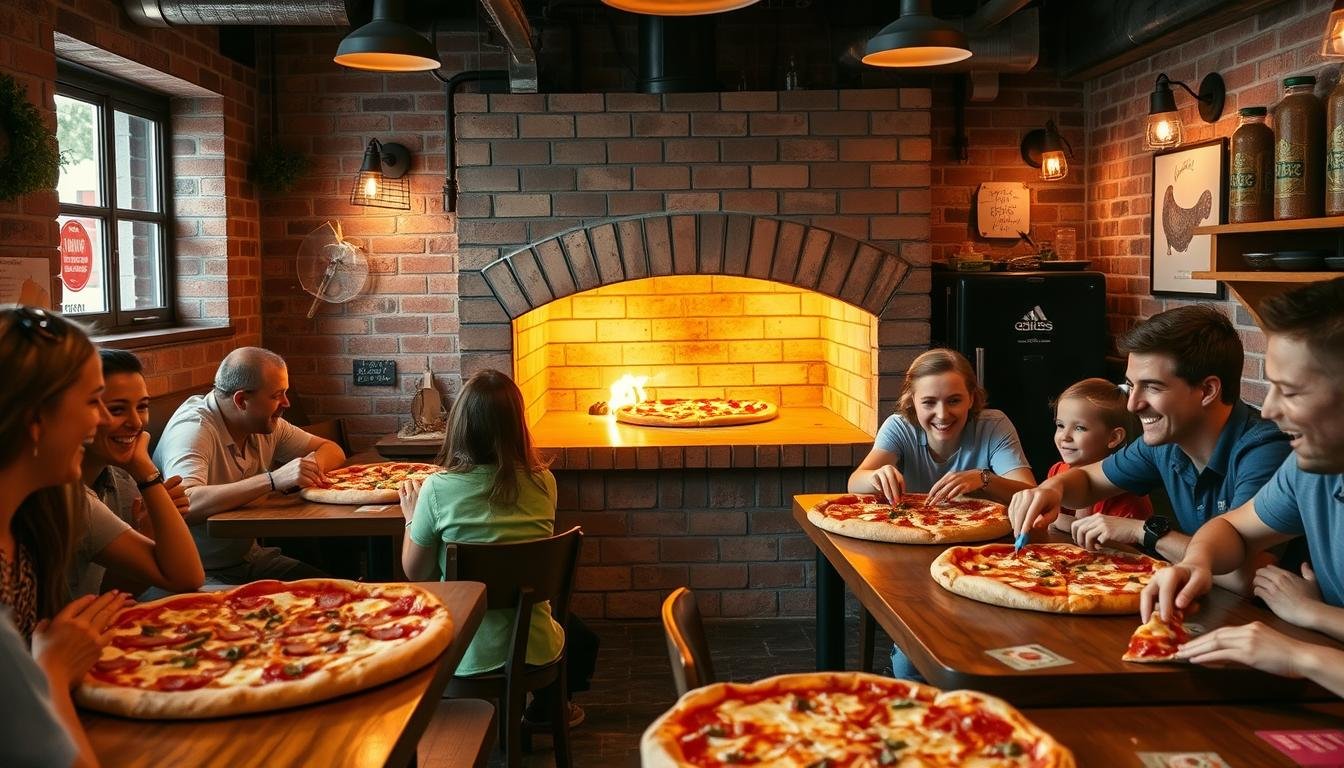
    Finding family-friendly dining should be simple and fun. This guide maps where to enjoy crowd-pleasing slices and relaxed dining rooms across the metro. We focus on spots with quick service, roomy seating, and menus that make mealtime easy for parents and kids alike.

    From airy, wood-fired crusts to foldable slices that small hands can hold, the local scene offers many options. Expect classic cheese and pepperoni alongside creative pies so every eater can be happy at the table.

    We’ll also note deals, flexible hours, and takeout choices so you can plan weeknight dinners, weekend hangouts, or birthday gatherings without stress. Use this quick overview to pick places that fit your crew’s tastes and routines in kansas city.

    Key Takeaways

    • Find family-ready spots with welcoming dining rooms and easy ordering.
    • Mix of classic and inventive pizzas so picky and curious eaters both win.
    • Look for crust types that suit kids: airy, foldable, or easy-to-hold slices.
    • Many places offer value deals and family-size options for budgets.
    • Flexible hours and takeout make weeknight meals quick and reliable.

    Why Kansas City’s pizza scene works for families right now

    The local scene has expanded beyond a single tradition, so family meals feel fresh and flexible. Chefs blend classic approaches with global inspirations, making it easy to please both picky kids and adults who like to explore.

    Variety is the family advantage. From old-school chain favorites like Minsky’s to newer spots such as Orange by Devoured and Northeast Pizza, the options cover familiar comfort and approachable novelty.

    From classic slices to creative pies: flavors, crusts, and kid‑friendly options across the city

    Families benefit because the metro celebrates variety over one strict style. You can order a simple slice for the kids and a chef‑driven special for yourself without fuss.

    The flexible approach to crust means kids can get a soft, chewy wedge or an ultra‑thin, crispy fold. Northeast Pizza’s super thin crust and rotating “pie of the day” show how spots keep weeknights interesting.

    Chefs introduce new toppings and flavors in gentle ways. Thai‑inspired choices and other global twists often pair with balanced cheese and sauce, so even cautious eaters can try a bite.
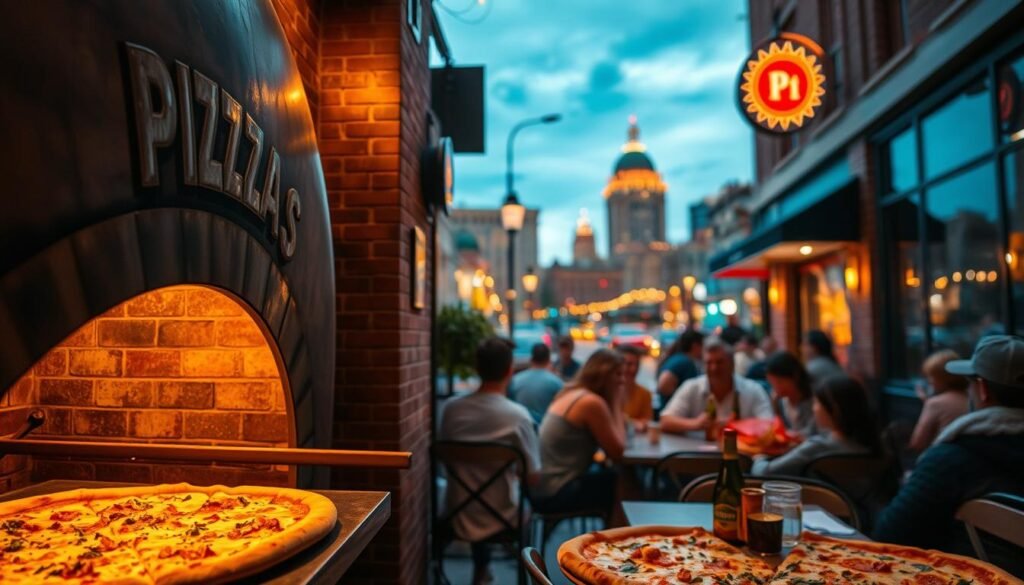
    kansas city pizza

    • Mix-and-match orders let parents combine classics and newer flavors in one pie.
    • Consistent balance across kitchens gives predictable quality for family meals.
    • Rotating specials turn ordinary dinners into a mini adventure without risking the whole meal.

    Best pizza kansas city: family‑friendly spots to try today

    From large, shareable pans to personal 11‑inch pies, the metro has options that suit every appetite.

    Minsky’s has fed families since 1976 across 17 locations and serves hearty builds like the Prime Cut (pepperoni, hamburger, two sausages, mozzarella, and bacon strips).

    Waldo Pizza offers chewy honey wheat, hand‑tossed and St. Louis thin crust with its take on Provel — plus a beloved garlic ranch dip kids request often.

    Providence Pizzeria Co solves ordering friction with New York thin, Sicilian thick, and Detroit‑style crusts under one roof. Try the East Coast for bold toppings and hot honey finish.
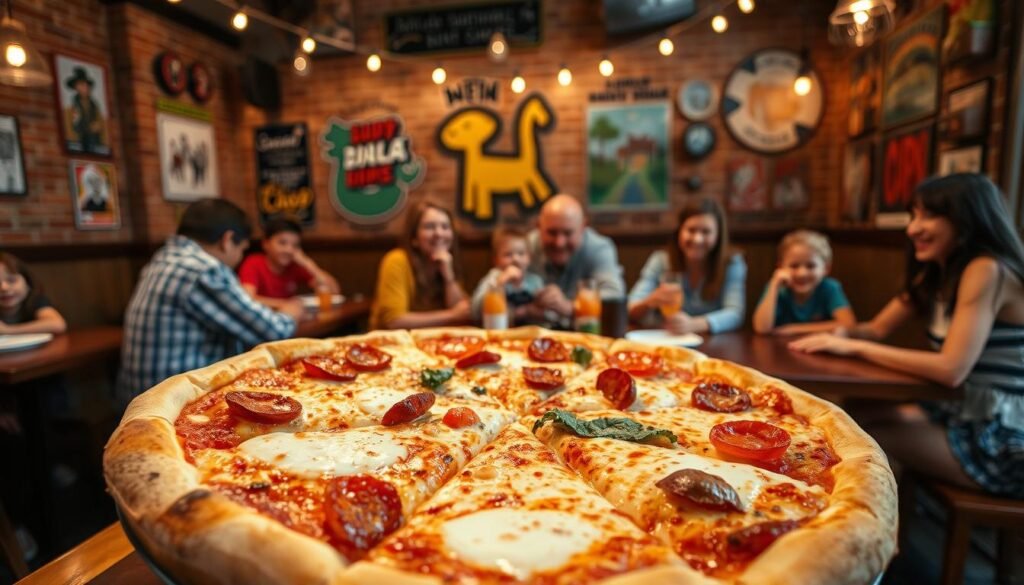
    family slice kansas city

    • Northeast Pizza — ultra‑thin New York slices and a rotating pie of the day from chef‑owners Noah Quillec and Mike DiStefano.
    • Orange by Devoured — inventive Neapolitan 11‑inch pies from Jhy Coulter for personal orders.
    • Buffalo State — build‑your‑own pies, giant slices up to 26″, and a gluten‑free crust.
    • Pizza 51, Third Coast, Bella Napoli, 1889, City Barrel, and Jimmy B’s round out options from campus slices to wood‑fired and Detroit squares.

    How to choose your family’s perfect pie in Kansas City

    Start with crust, then layer in flavor and logistics to find a pie everyone will enjoy. This quick guide helps you pick a meal that suits ages, appetites, and timing. Use these simple steps to narrow options and reduce dinner drama.

    Crust matters: New York thin, Detroit‑style, Sicilian, Neapolitan, or honey wheat

    Start with texture. If kids like foldable slices, New York thin from Providence Pizzeria Co fits the bill. For crispy, cheese‑edged pieces, choose Detroit‑style — Jimmy B’s and Providence offer squares. Sicilian pans are hearty, and 1889 serves an authentic 12″ wood‑fired Neapolitan for soft, blistered edges. Waldo’s honey wheat adds a mild, sweet note many families enjoy.

    Flavor profiles kids love vs. adventurous toppings

    Keep one pie simple: classic cheese or pepperoni appeals to most kids. Add gentle toppings like mushrooms or basil for a small step toward new flavors. Reserve a chef‑driven pie for curious eaters so everyone gets something familiar and something new.

    Convenience counts: slices, takeout, catering trucks, and multiple locations

    Think logistics. Fast slice spots like Buffalo State Pizza Company and Pizza 51 save time on a busy day. Minsky’s many locations make pickup easy. For neighborhood variety, pop‑ups and trucks add fun without much planning. When hosting, combine a value pie with a specialty pie to stretch the budget and please the table — that’s a smart way to keep meals simple and satisfying for the whole family.

    Conclusion

    , Plan small, celebrate often. Build a short list of go‑to locations for quick pickup after school and one or two dine‑in spots for relaxed weekends in kansas city.

    Use this guide to match your crew to the right pizzas — classic comfort, chef‑driven choices, or budget deals that stretch the week. Try a new style each month so kids explore texture and flavor without pressure.

    Watch for weekday offers like Bella Napoli’s $10 Mondays and 1889’s $20 Wine Wednesday bottles and catering options. Rotate slices, shareable pans, and personal pies so everyone gets a turn choosing the way dinner goes.

    One final thing: focus on service and warm dining rooms. Those moments make meals memorable and keep families coming back around kansas city.

    FAQ

    What family-friendly crusts are common around Kansas City?

    Crust options include New York thin for foldable slices, Detroit-style with a crunchy cheesy edge, Sicilian for thick, chewy squares, Neapolitan wood-fired pies with a tender center, and honey wheat that’s mild and slightly sweet—great for picky eaters.

    Which local spots offer gluten-free or kid-safe choices?

    Several places provide gluten-free crusts and simple topping choices. Waldo Pizza lists gluten-free options and flavored ranch kids enjoy. Buffalo State Pizza Company and some Providence Pizzeria Co locations also offer gluten-free bases and build‑your‑own pies so families control ingredients.

    How can I find menus with simple toppings for kids?

    Look for menus that highlight classic toppings like mozzarella, pepperoni, plain cheese, or a margherita. Campus-area spots such as Pizza 51 and chain locations like Minsky’s often keep a basic kids’ menu. Many restaurants note “plain” or “cheese” options for easy ordering.

    Are there delivery or takeout options suitable for family dinners?

    Yes. Most larger restaurants and chains offer delivery, online ordering, and family bundle deals. Neighborhood places often provide takeout or curbside pickup. For larger gatherings, inquire about catering trays or party pies ahead of time to ensure timely pickup.

    What are good slice spots for quick family meals?

    Northeast Pizza and Pizza 51 are known for generous slices that work well for quick, budget-friendly family outings. Look for places that rotate a “pie of the day” or advertise jumbo slices to keep kids excited without a long wait.

    Which places offer unique flavors that kids might try?

    City Barrel Pizza + Patio and Orange by Devoured create playful or inventive flavors—things like Smash Burger Pie or seasonal Neapolitan twists. Start with half-and-half pies so kids can try a small portion alongside a familiar topping.

    Are there family-friendly seating and atmosphere features to watch for?

    Seek restaurants with casual seating, high chairs, and open layouts. Places with patios, arcade games, or quick service windows—like some Minsky’s locations and Buffalo State Pizza Company—tend to be more relaxed for families with young children.

    How much should I budget for a family pizza night out?

    Expect a range: slice shops and budget restaurants can feed a family for less, while wood‑fired or specialty pies cost more. Look for family deals, combo meals, or lunch specials to keep costs down without sacrificing variety.

    Can I order half-and-half pies or mix crust styles for picky eaters?

    Many pizzerias accommodate split pies so you can combine a classic cheese half with an adventurous topping on the other. Some places also offer different crust sizes or thin and thick options by request—ask when ordering to confirm.

    What should I know about allergy and dietary requests?

    Call ahead to discuss allergies or dietary restrictions. Restaurants such as Providence Pizzeria Co and Waldo Pizza may mark allergens on menus and can often prepare pies with separate utensils or on clean surfaces. Always confirm cross-contact policies if a severe allergy exists.

    Where can I find late-night or weekend family-friendly pizza options?

    Campus-adjacent spots and several multi-location chains stay open later on weekends. Check local hours online; Minsky’s and select neighborhood joints often offer extended hours and late-night menus that still include family-appealing choices.

    How do I pick the right crust for different ages in the family?

    For toddlers and young kids, softer and thinner crusts like Neapolitan or New York thin are easier to chew. Older kids and teens may enjoy hearty Detroit or Sicilian styles. Honey wheat and whole‑grain crusts add fiber for health‑minded families.

    Are there options for ordering both slices and whole pies in one place?

    Yes. Places like Buffalo State Pizza Company and Northeast Pizza often offer both slices and whole pies, letting families mix quick eats with full orders for takeout or sharing—ideal when tastes vary.

    Can restaurants customize pies for picky eaters or dietary preferences?

    Most restaurants will customize toppings and sometimes sauces. Build‑your‑own spots and chains tend to be the most flexible. For strict dietary needs, request ingredient details and confirm customization fees or minimums up front.

  • SEA LIFE Kansas City Aquarium Guide: What to Expect & Ticket Tips

    SEA LIFE Kansas City Aquarium Guide: What to Expect & Ticket Tips

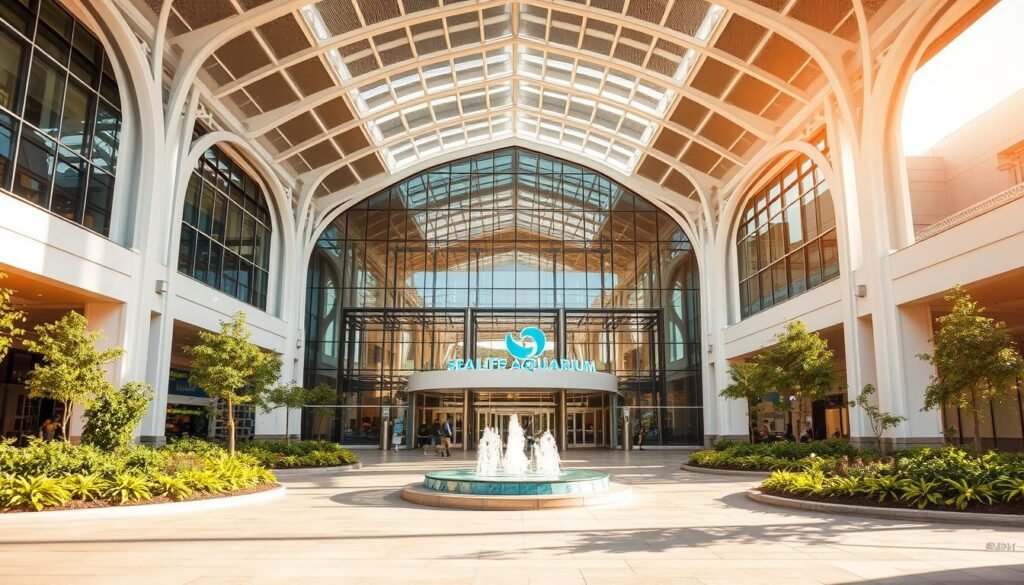
    Plan a fun, stress-free day at the aquarium inside Crown Center. This guide shows what to expect, smart ticket moves, and tips for families who want to make the most of their visit.

    The attraction features Kansas City’s only 180-degree ocean tunnel and an immersive underwater tunnel experience. You’ll find more than a dozen exhibits with about 5,000 creatures, including sharks, stingrays, jellyfish, and rescued turtles.

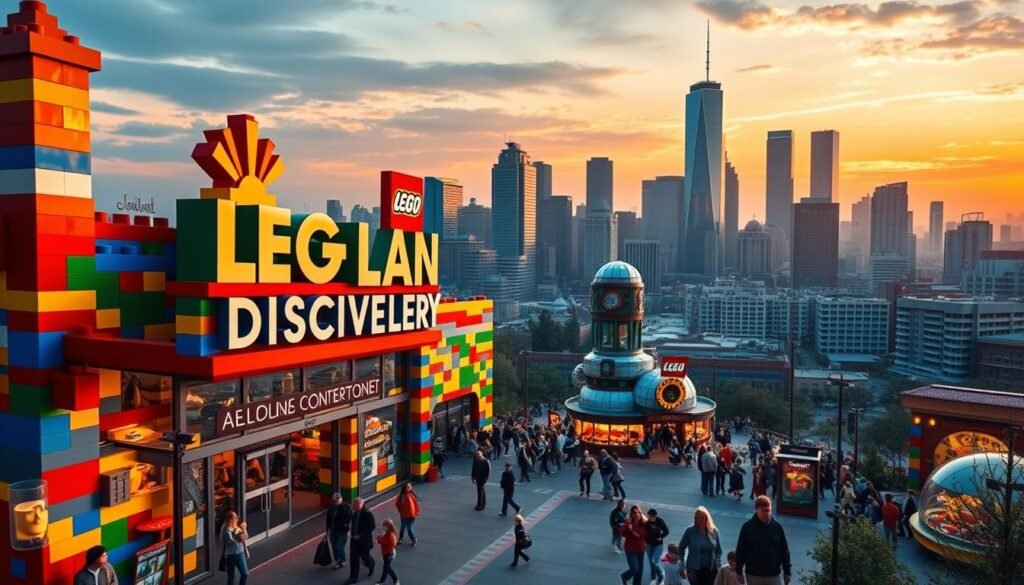
    Ticket prices vary, and booking online in advance usually saves money. Combo options with LEGOLAND next door can cut costs and let you use SEA LIFE within 30 days of your other visit.

    Located at 2475 Grand Blvd in the Crown Center complex, the site offers connected garage parking and nearby bus service for easy access. Use this short guide to pick upgrades worth the cost and plan whether to keep your visit focused or stretch it into a full family day.

    Key Takeaways

    • Must-see: 180-degree ocean tunnel and underwater views of sharks and rays.
    • Creature count: Over 5,000 animals across 12+ exhibits.
    • Save: Book online or choose a LEGOLAND combo for discounts.
    • Location: Crown Center at 2475 Grand Blvd with parking and bus access.
    • Upgrades: VR ride and VIP photo pass add value for families.

    Discover SEA LIFE Kansas City: Highlights at a Glance

    From underwater tunnels to hands-on touch pools, this attraction packs big moments into a compact visit.

    Come face with over 5,000 creatures across more than a dozen exhibits. The 180-degree underwater tunnel is the showstopper where sharks and stingrays glide above you.

    Kids love the interactive touch pool. Guests can gently feel a real sea star or anemone and spark curiosity with hands-on learning.

    Don’t miss the Sea Turtle Rescue Center and the glowing jellyfish galleries. Each spot pairs learning with memorable visuals for quick photos or quiet moments.

    The aquarium sits inside Crown Center beside the LEGOLAND Discovery Center. Combo tickets make it easy to build a two-attraction adventure and save on overall tickets.

    • 180-degree tunnel: come face with sharks and rays
    • Touch pools: hands-on learning for all ages
    • Rescue center: meet rehabilitated turtles
    • 12+ exhibits: varied displays and photo spots
    Highlight What to Expect Quick Tip
    Underwater Tunnel 360° views of sharks and stingrays Visit early to avoid crowds
    Touch Pool Gentle, supervised animal handling Encourage kids to ask staff questions
    Rescue Center Stories of rehabilitation and release Attend feeding talks for updates
    Combo Options Tickets that pair both attractions Buy online to save

    Tickets, Admission, and Online Savings

    Knowing your options makes planning easy. Compare pricing, timed entry, and upgrades so you can choose the best visit for your group.

    Single-ticket admission starts from $19.99 per person (prices also list from $29.99 per person on some platforms). Base admission includes the 180-degree underwater tunnel, touch pools, Sea Turtle Rescue Center, jellyfish displays, and 12+ exhibits.

    Combo options and savings

    Bundle a visit with the LEGOLAND Discovery Center next door and you can save over 25% with combo tickets. A combo ticket lets you visit both attractions and offers up to 30 days to use the aquarium after your discovery center day.

    Book ahead to save

    Booking online secures timed entry and often locks in the best price. Try multiple online advance slots to find quieter windows and avoid sold-out times.

    Upgrades that add value

    • VR ride + VIP Digital Photo Pass: available from $26.99 per person.
    • Compare standard ticket vs. combo ticket for group or birthday packages.

    “Reserve early, pick the right combo, and upgrades can make the day extra memorable.”

    SEA LIFE Kansas City + LEGOLAND Discovery Center: The Best Combo

    Buying both attractions together is the simplest way to stretch a single visit into a full, memory-packed day.

    Save over 25% by choosing a combo ticket that bundles the aquarium with the LEGOLAND Discovery Center next door. This combo unlocks hands-on exhibits, rides, and marine displays without extra parking or travel time.

    You don’t have to rush. Use your LEGOLAND Discovery Center day first, then return to SEA LIFE within 30 days to enjoy the aquarium at your own pace.

    legoland discovery center

    “Bundle smart: start with rides, take a Crown Center lunch break, then unwind in the aquarium.”

    • Sunday–Friday Combo Annual Pass: $95.99 per person (blackout dates apply).
    • Visit Anytime Combo Annual Pass: $181.99 per person for full flexibility.
    • Annual perks: 40% off friends & family tickets, 10% off LEGO products, 10% off the coffee shop, plus special events.
    Pass Price Best for
    Sunday–Friday Combo Annual $95.99 Weekday visits and lower crowds
    Visit Anytime Combo Annual $181.99 Frequent visitors and full flexibility

    Quick planning tip: Compare a single-day combo ticket versus an annual pass based on how often you’ll visit. Families who return several times in a year almost always find the pass pays off.

    What to Expect Inside: Ocean Tunnel, Touch Pools, and 5,000 Creatures

    Expect close-up encounters, calm galleries, and a tunnel that makes you feel part of the action.

    Kansas City’s only ocean tunnel: come face to fin with sharks and rays

    Step into the ocean tunnel for a 180-degree view where sharks and stingrays glide overhead. The underwater tunnel gives wide, immersive sightlines that let you watch predators and schools of fish in motion.

    Interactive touch pool: touch a real sea star and anemones

    At the touch pool, educators guide gentle handling of a real sea star and anemones. Kids learn safe techniques and get hands-on science that sticks.

    Meet rescued sea turtles at the Sea Turtle Rescue Center

    Ambassador turtles live in the rescue center so guests can hear rehab stories and recovery work. These talks show how care helps turtles return to the wild.

    Mesmerizing jellyfish and vibrant reef habitats

    Glowing jellyfish galleries soothe with slow pulses of color. Nearby reef exhibits brim with diverse species, and many visitors linger for the best close-up looks.

    Conservation and animal welfare with the SEA LIFE Trust

    Look for conservation callouts that link exhibits to global initiatives. The sea life aquarium highlights ways visitors can support rescue, research, and animal welfare.

    • Come face fin 5,000 in curated zones that reveal natural behaviors.
    • Layout is stroller-friendly and built for steady “wow” moments.

    “Come face to fin with sharks and rescued sea turtles.”

    Planning Your Day: Pro Tips for a Smooth Visit

    Good planning turns a visit into an easy, memorable adventure. If you want quieter photos and clearer views, make the tunnel your first stop. Early entry gives the best chance to come face with sharks and rays without crowds.

    Beat the crowds: tunnel first

    Arrive early and head straight to the underwater tunnel for unobstructed views. Moving through this area first also helps you set the pace for the rest of your day.

    Use the app for schedules and learning

    Download the SEA LIFE app to check talk times, feeding demos, and special events. The app helps families plan breaks and hit exhibits that match your interests.

    Photography pointers

    Turn off flash to protect animals and avoid glare on viewing glass. Move slowly in darker galleries so eyes can adjust and you can spot camouflaged creatures.

    • Book tickets via booking online advance to lock in your preferred time and often a better price.
    • Plan on 2–3 hours for a relaxed visit, or pair with LEGOLAND for a full day adventure.
    • Save snack breaks for natural pauses between zones to keep kids energized.

    “Reserve a timed slot, start at the tunnel, and let the app guide your route.”

    These small moves make the visit smoother and more enjoyable for every family. Wrap up with a last loop through favorites before you leave to make the most of your kansas city outing.

    sea life kansas city Location: Getting There and Crown Center Basics

    Plug 2475 Grand Blvd, Kansas City, MO 64108 into your GPS — the aquarium sits inside the Crown Center complex and is easy to find.

    crown center

    Address, parking, and directions to Crown Center

    Park in the connected Crown Center garage for direct access to the attraction. Fees may apply, so bring payment and check for validation after your visit.

    Tip: Follow indoor signs to move quickly between the aquarium and nearby entrances.

    Public transit options near downtown

    If you prefer transit, KCATA bus routes serve the Crown Center area. Buses drop you close to the main entrance, making arrival simple without a car.

    What’s nearby: shops, dining, and things to do around Crown Center

    The complex links to LEGOLAND Discovery Center and the Hallmark Visitors Center. Shoppers and diners will find quick options for lunch or a break between exhibits.

    • Follow signs inside Crown Center to walk between attractions quickly.
    • Consider tickets legoland discovery or a combo if you plan both stops.
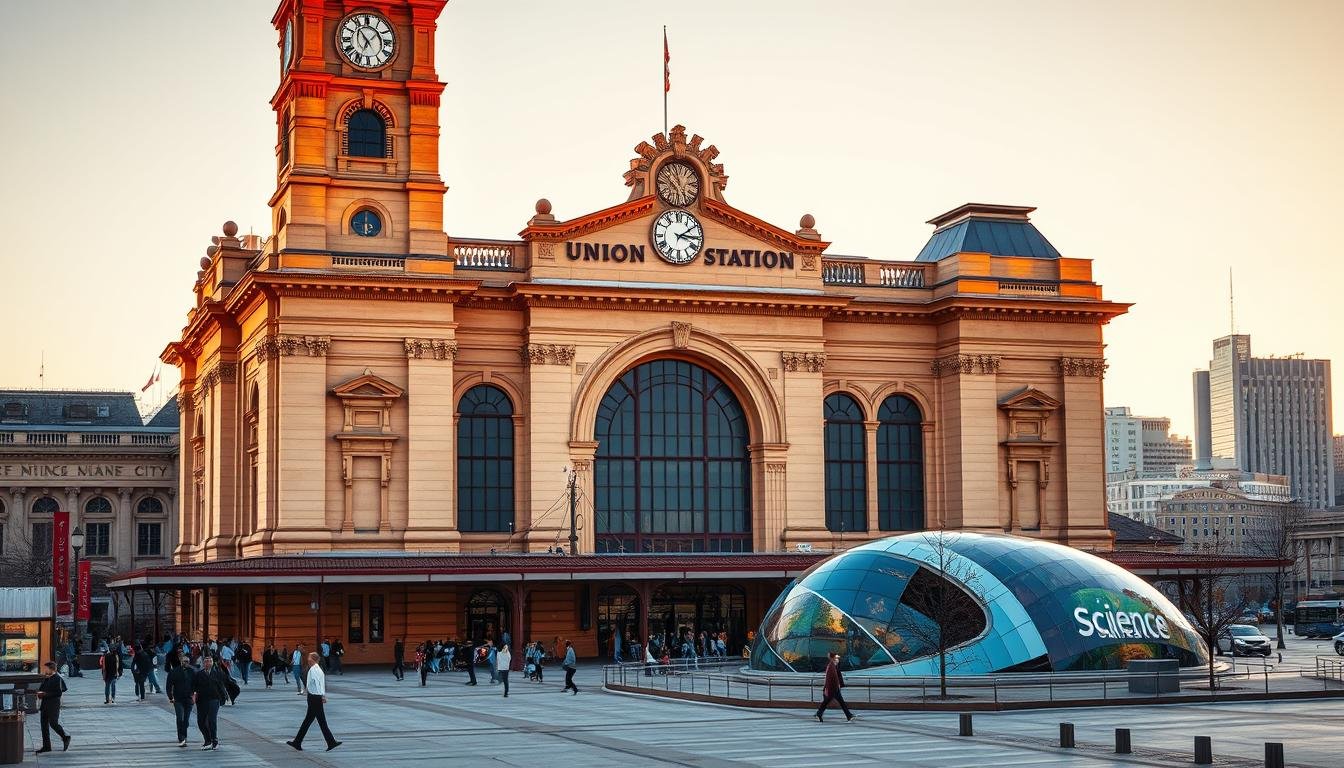
    • Union Station and nearby museums are a short drive, great for a full downtown outing.

    “Plan meal breaks and short walks — the center kansas city area is very walkable and family-friendly.”

    Onsite Experience: Time Needed, Accessibility, and Family-Friendly Perks

    Plan on a relaxed visit—most groups move through exhibits in about two to three hours. That timing covers the tunnel, touch areas, and a quick stop at the rescue displays without feeling rushed.

    How long to budget: Budget 2–3 hours for a comfortable standalone visit. Add LEGOLAND Discovery Center and you can easily turn this into a full day without leaving Crown Center.

    Stroller and wheelchair access, plus family conveniences

    The layout is stroller- and wheelchair-friendly with ramps and elevators. Wide paths and clear signage make navigation simple for multi-generational groups.

    • Touch pools and kid-level views let every member of the family engage at their own pace.
    • Plan a mid-visit break at Crown Center dining if you need naps or meals.
    • Schedule extra time at the Sea Turtle Rescue Center to learn about sea turtles and conservation.
    • Consider a flexible ticket or flexible arrival window when visiting with toddlers.

    “Pairing calm aquarium moments with active discovery center play makes for a balanced, memorable day.”

    Special Events, Memberships, and Birthday Parties

    Memberships and special events keep every visit fresh, offering perks that stretch one day into year-long fun.

    All-year adventure: Combo annual passes include admission to sea life kansas and perks across the district. The Sunday–Friday pass is $95.99, while the Visit Anytime option is $181.99. Members get discounts on friends & family tickets, LEGO products, the coffee shop, and special events.

    Birthday parties: all-inclusive packages to “shell-ebrate”

    Party packages start at $275 and include setup, activities, and staff support to keep parents relaxed. Packages let kids enjoy exhibits, themed crafts, and a reserved party space.

    • Keep an eye on the calendar for rotating special events and seasonal weekends.
    • Coordinate with the legoland discovery center for back-to-back fun and combined planning.
    • Members often receive early access or exclusive event times—great for beating crowds.
    • Check the app and official site for tickets legoland discovery tie-ins and updated event schedules.

    “An annual pass makes short, frequent visits easier and stretches your ticket value across an entire year.”

    Conclusion

    Wrap up your visit plan by choosing the combo ticket or single admission that fits your group and schedule.

    SEA LIFE Kansas inside Crown Center delivers can’t-miss moments: the underwater tunnel, hands-on touch pools, and close encounters with turtles and other creatures.

    Save over 25% with a combo ticket that pairs the aquarium with the LEGOLAND Discovery Center. Use your LEGOLAND day first and return within 30 days if needed.

    Book online advance to lock in timed entry and compare per person pricing. Plan 2–3 hours for the aquarium, or make it a full-day adventure with food and shopping in Crown Center.

    Ready to go? Compare tickets LEGOLAND options, pick upgrades from $26.99 per person, and enjoy a smooth, family-friendly visit in kansas city.

    FAQ

    What does a single-ticket admission include and how much does it cost per person?

    Single-ticket admission covers entry to the aquarium exhibits, including the underwater tunnel, touch pool access when available, and scheduled talks or feedings. Prices vary by age and date; check online for current per person rates and any child or senior discounts.

    Can I buy combo tickets that pair the aquarium with LEGOLAND Discovery Center?

    Yes. Combo tickets bundle aquarium admission with LEGOLAND Discovery Center for one discounted price. These combos make for an easy full-day family outing and usually offer better value than buying separate tickets.

    Are there savings for booking online in advance and how do timed entries work?

    Booking online in advance often unlocks lower prices and ensures timed entry. Timed tickets reserve your arrival window to manage capacity. If a preferred slot is sold out, check nearby times or look for combo availability.

    What upgrades are available to enhance my visit?

    Optional upgrades may include a VR ride experience, VIP digital photo pass, and special event add-ons. These extras are available during online checkout or at ticketing kiosks, subject to availability.

    How do combo tickets with LEGOLAND Discovery Center work for timing my visits?

    Many combos allow flexible scheduling—some let you visit the aquarium up to 30 days after LEGOLAND. Read the combo terms at purchase so you can plan a stress-free itinerary across both attractions.

    Are there annual combo passes and what are the visit options?

    Annual combo passes are offered with different access tiers, like Sunday–Friday or Visit Anytime options. These passes save frequent visitors money and include benefits such as member discounts and priority booking for events.

    What can I expect inside the underwater tunnel and which creatures will I see?

    The underwater tunnel offers immersive views of sharks, stingrays, and large schools of fish. Exhibits showcase hundreds of reef species, jellyfish displays, and interactive habitats that let you come face to fin with marine life.

    Is there an interactive touch pool and what can I touch?

    Yes—an interactive touch pool lets guests gently touch animals such as sea stars and anemones under staff supervision. Rules and hours vary, so check the daily schedule or app before you go.

    Are rescued sea turtles on display and how does the rescue center operate?

    The aquarium features rescued turtles cared for by on-site staff and partners. The Sea Turtle Rescue Center focuses on rehabilitation and education; updates are shared through talks and conservation messaging.

    What conservation work and animal welfare programs support the exhibits?

    The facility partners with conservation organizations to support rescue, rehabilitation, and marine research. Exhibits include educational info about species protection and ways visitors can help reduce ocean pollution.

    When is the best time to visit the underwater tunnel to avoid crowds?

    Early morning or late afternoon typically sees lighter crowds. Consider exploring the tunnel first when you arrive to enjoy clearer views and quieter photo opportunities.

    Is there an official app and what features does it offer?

    Yes—use the aquarium app for exhibit maps, daily schedules, animal talks, and special event listings. The app can help you plan your route and time key experiences during your visit.

    What photography rules should I follow inside the attraction?

    Photography is welcome but flash is prohibited near sensitive exhibits like jellyfish and certain displays. Use steady hands or a tripod where allowed and respect animal-focused signage to avoid disturbances.

    Where is the attraction located and what are the Crown Center parking options?

    The aquarium sits inside Crown Center. There are on-site parking garages and nearby street parking; rates and availability vary. Look for Crown Center parking signs and check the venue website for any updates.

    How can I get there via public transit from downtown?

    Multiple bus routes and the KC Streetcar provide convenient access to Crown Center. Check local transit schedules for the best connections from your starting point and plan extra time for transfers.

    What nearby dining and shopping options are available around Crown Center?

    Crown Center offers a range of restaurants, cafes, and retail shops within walking distance, making it easy to combine meals and shopping with your aquarium visit for a full family day out.

    How much time should I budget for a standalone aquarium visit versus a full-day combo?

    A standalone visit typically takes 1.5–2 hours to see all exhibits at a relaxed pace. For a full-day combo that includes LEGOLAND Discovery Center, plan for 4–6 hours or a full day to enjoy both attractions comfortably.

    Is the venue accessible for strollers and wheelchairs?

    The facility is wheelchair and stroller accessible with ramps, elevators, and accessible restrooms. Staff can assist with mobility needs; contact guest services for specific accommodations.

    Are there family conveniences like nursing rooms or child swap areas?

    Family-friendly amenities typically include changing facilities, baby nursing areas, and stroller parking. Verify current offerings on the attraction’s website before you arrive.

    What membership options and special offers are available year-round?

    Memberships often include unlimited visits, discounts on events and retail, and priority booking. Seasonal promotions and special offers may appear online—sign up for newsletters to catch deals.

    Can I host a birthday party at the aquarium and what do packages include?

    Yes—birthday party packages usually provide private space, themed activities, and admission for guests. Packages vary, so review options and capacity limits when booking to create a memorable “shell-ebrate” event.

  • First Fridays Crossroads Kansas City: Monthly Art Walk & Local Shops

    First Fridays Crossroads Kansas City: Monthly Art Walk & Local Shops

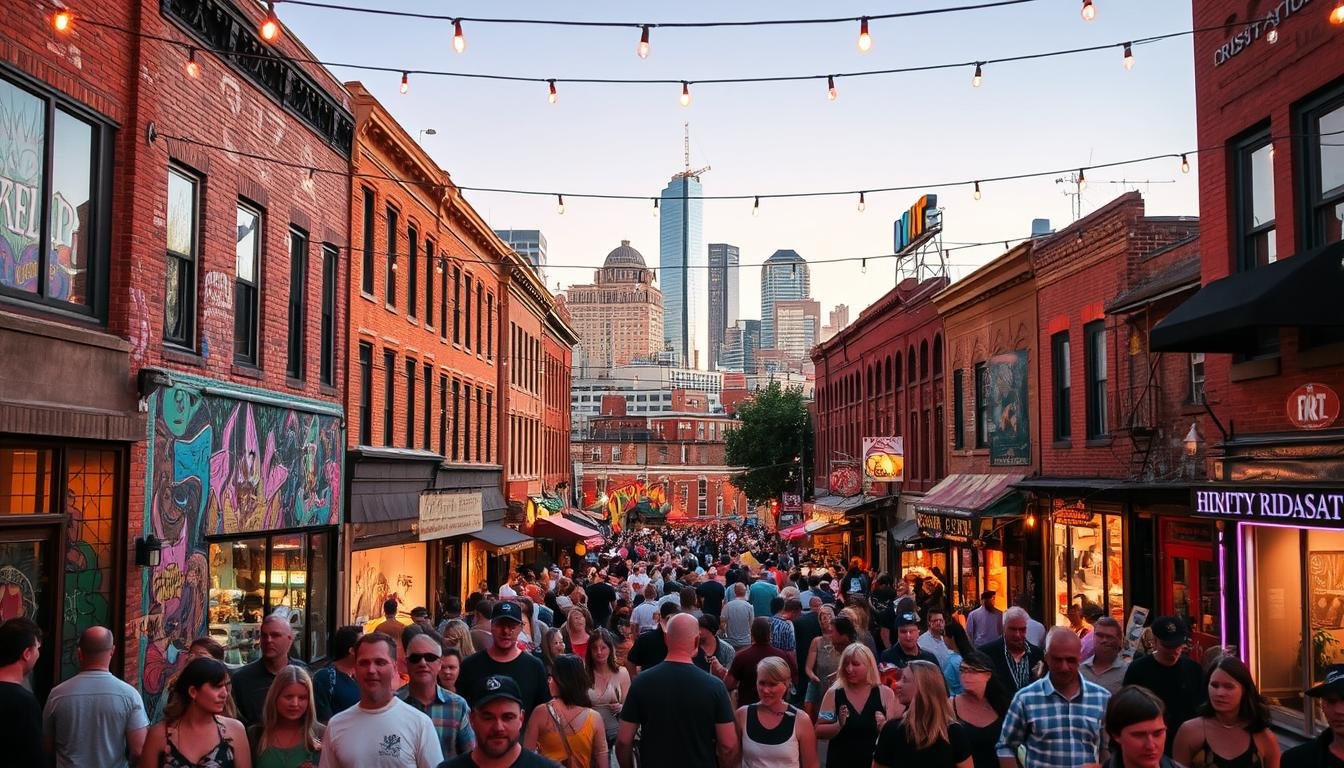
    Every month the Crossroads Arts District comes alive from 5–9 PM with galleries, studios, murals, and a lively food truck plaza. Thousands gather to stroll block by block, enjoy live music, and meet makers in seasonal Art Alleys between Baltimore and Wyandotte.

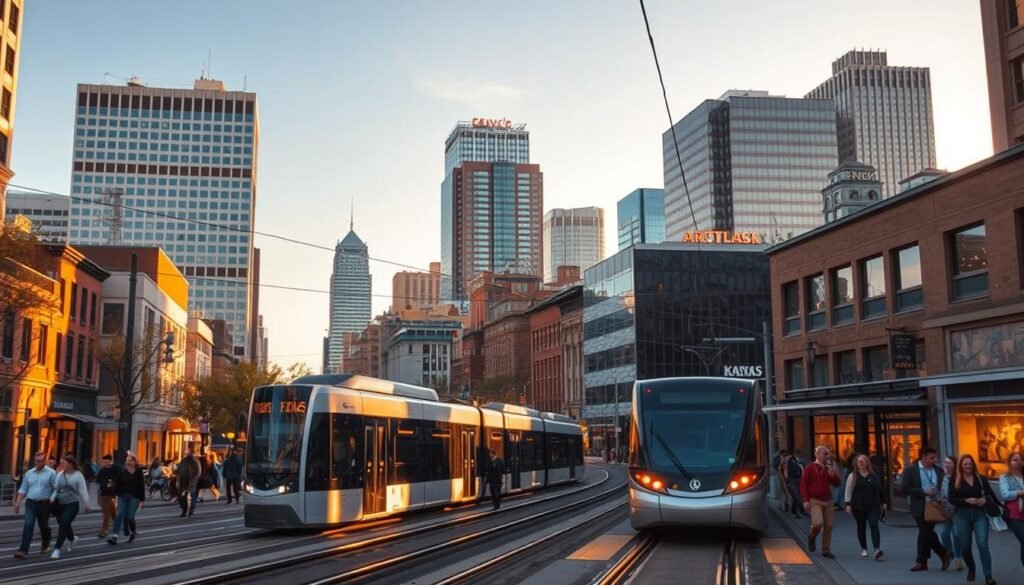
    Plan to ride the free KC Streetcar to the Kauffman Center or Crossroads stops to skip parking stress. If you drive, arrive early or use garages like the Arts District Garage, TWA Building, or Union Station and walk in.

    The night is family-friendly and best explored on foot. Make an evening of it with dinner, local craft beverages, and a show. Expect rotating exhibits and new vendors, so every visit feels fresh and surprising.

    Key Takeaways

    • Set your plans around the monthly art walk from 5–9 PM for a lively neighborhood experience.
    • Find seasonal Art Alleys and a Food Truck Plaza running April–October for easy dining on the move.
    • Use the free KC Streetcar to avoid parking and explore the district by foot.
    • Bring comfortable shoes, a camera, and a flexible plan to discover rotating exhibits.
    • Choose nearby garages or Union Station if you must drive, then walk into the heart of the event.

    Why First Fridays in the Crossroads Belong on Your KC Calendar

    Make room on your calendar: the Crossroads art walk delivers fresh exhibits and a neighborhood buzz each month.

    Start time matters. Galleries open at 5 p.m. and most stay active until at least 9 p.m., so you can pace your visit and catch new work without rushing.

    The heart of the action centers near Southwest Boulevard and Baltimore Avenue. That compact layout helps visitors sample multiple galleries and pop-ups within a short walk.

    Expect variety: new openings, artist talks, rooftop happenings at the Crossroads Hotel and Percheron, plus rotating special events that keep the scene lively.

    The free KC Streetcar drops riders at Kauffman Center or Crossroads, letting you step right into the evening energy. Regular participants include Belger Arts Center, Blue Gallery, and Leedy-Voulkos Art Center.

    What When Where
    Gallery openings 5–9 PM Southwest Blvd & Baltimore Ave
    Rooftop events Evening Crossroads Hotel / Percheron
    Street access All night KC Streetcar: Kauffman Center, Crossroads
    • Tip: Come with a flexible plan—art, food, and music often overlap.
    • It’s a welcoming scene for both newcomers and repeat visitors.

    first fridays kansas city: When, Where, and What to Expect

    Evenings in the Crossroads glow with gallery lights, rooftop music, and street-level pop-ups. Plan for the monthly 5–9 PM window to catch most openings and performances.

    Monthly art walk vibes thread from 5–9 PM, with galleries and live music woven through the blocks. Expect staggered openings so you can stop at multiple spaces without rushing.

    Monthly art walk vibes from 5-9 PM with galleries, music, and street energy

    Center your route near 18th St. and Southwest Boulevard — the heart of the district — to branch out toward Crown Center and Union Station.

    From 18th St. to Southwest Blvd: the heart of the Crossroads Arts District

    Dozens of established galleries keep late hours so you can visit several stops in one evening. Street art and murals make easy photo goals between exhibits.

    Seasonal highlights April-October: Art Alleys and Food Truck Plaza

    From April through October, Art Alleys run between Baltimore and Wyandotte, curated by Art Garden KC. The Food Truck Plaza at 1907 Grand anchors the food scene from 5–9 PM.

    “Expect art in galleries and on brick walls, live sets on rooftops, and food stands where crowds gather.”

    • Make a mural checklist: “Kansas City I’m So In Love” (2010 McGee), “#KCLoves” (1720 Main), Art Alley (512 E. 18th St.).
    • Arrive early to avoid heavy crowds and map a comfortable loop.
    • Check monthly listings so pop-ups and special events don’t surprise you.
    What When Where
    Gallery hours 5–9 PM (monthly) SW Blvd & Baltimore Ave area
    Art Alleys April–October Baltimore to Wyandotte (18th St. – Southwest Blvd)
    Food Truck Plaza April–October, 5–9 PM 1907 Grand

    How to Get to the Crossroads: Streetcar, Parking, and Easy Ways to Explore

    Whether you ride or drive, a little planning turns arrival into part of the experience. The free KC Streetcar runs with extended weekend hours and drops you at the Kauffman Center or the Crossroads stop. That lets visitors step off and walk into the action without circling for a spot.

    kansas city

    Ride the free KC Streetcar to the Kauffman Center or Crossroads stops

    Pro tip: hop off at those stops to save time and stress. The Streetcar keeps running late so you can end the evening with dinner or a show.

    Parking options and smart fallbacks

    If you drive, compare options: the TWA Building at 1740 Main, the Arts District Garage at 1601 Broadway, or private lots that often charge around $5. On-street spaces fill fast, so arriving early improves your chances of a close spot.

    Make the most of your visit

    Park at Union Station if you prefer a reliable lot, then ride the short Streetcar hop into the neighborhood. Download the Crossroads and parking maps on your phone to keep your route flexible.

    • Set a meeting point by a mural or landmark for groups.
    • Wear layers and comfy shoes for walking between galleries.
    • Plan a loose route on the event page so you can sample multiple stops.

    Art Everywhere: Galleries, Murals, and Art Alleys

    Art spills onto sidewalks and into converted warehouses, inviting easy stopping and discovery. Plan a short loop around anchor spots to get the most out of the night.

    Must-see galleries and studios open late

    Build your route around reliable anchors like Belger Arts Center, Blue Gallery, and Leedy-Voulkos Art Center. Smaller studios—Buttonwood Art Space, Jones Gallery, Sherry Leedy Contemporary, and Weinberger Fine Art—often host emerging artists and special pieces.

    Iconic murals to spot along your walk

    Snap photos at standout walls: “Kansas City I’m So In Love” (2010 McGee), the #KCLoves mural at 1720 Main, and the evolving Art Alley at 512 E. 18th St. These murals are easy landmarks between stops.

    Art Alleys curated by Art Garden KC: vendors, live music, and maker energy

    From April to October, Art Garden KC runs vendor maps, reserved spots, and evening programming. Expect a mix of painting, ceramics, photography, and on-site conversations with local artists.

    • Tip: If a space feels crowded, circle back in 15 minutes for a quieter look.
    • Many galleries sit within a few blocks, so pace your walk and linger where you connect.

    “Let the alleys guide you—unexpected work often appears around the next corner.”

    Shop Local: West 18th Street Finds, Pop-ups, and Maker Markets

    Start your shop loop on West 18th Street where independent boutiques and rotating vendors cluster for a lively stroll.

    Browse independent boutiques and small galleries—find fine jewelry at Coki Bijoux and a rotating selection of makers inside the Bauer. Pop into Christopher Elbow Chocolates for a treat, or swing by Raygun and Dear Society for gifts and curated fashion.

    Browse independent boutiques, small galleries, and eclectic shops

    Many galleries on 18th St. stock affordable artwork and art-adjacent items that make great starters for a home collection or gifts. Look for signs that call out one-night-only items and limited drops—those are the best discoveries.

    Vendor etiquette and timing: where pop-ups typically set up

    Expect pop-up vendors to cluster in alleyways between West 18th and 19th Streets during evening events like first fridays.

    • Do: keep sidewalks clear, pack out trash, and get invited by a hosting business before setting up.
    • Bring: a tote and a mix of cash and cards—some sellers prefer one or the other.
    • Tip: if a shop is crowded, take a short stroll and circle back—the flow usually eases.

    Plan ahead by asking staff about upcoming maker markets. You’ll leave with unique finds and a better view of local kansas city talent.

    Taste the District: Food Trucks, Dinner Spots, Breweries, and Craft Spirits

    Taste your way through the Crossroads with rotating trucks, taverns, and cozy tasting rooms. The mix of walk-up carts and seated options keeps the evening flexible and fun.

    food trucks

    Food Truck Plaza at 1907 Grand: seasonal schedule and entry notes

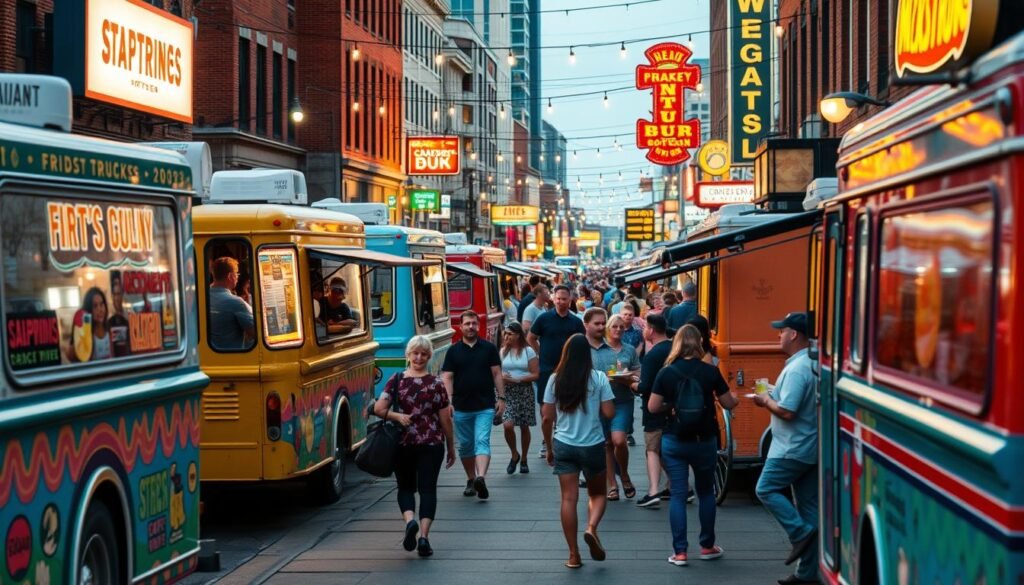
    The Food Truck Plaza runs April–October, 5–9 PM, with walk-in gates for quick access to rotating food vendors. Additional trucks often cluster at 18th & McGee and nearby streets for extra variety.

    Make it an evening: dinner and small plates worth the wait

    Book early at crowd favorites like Extra Virgin, Affäre, Manny’s, or Tannin Wine Bar + Kitchen. If tables are full, grab a truck snack and return when your name is called.

    Casual bites, coffee stops, and late-night slices

    Keep it casual with Lula Southern Cookhouse, SAUCED., or Seven Swans Creperie (check hours). For coffee and late slices, try Messenger Coffee, Buffalo State Pizza Co., or Grinders Pizza.

    Craft breweries to sip in the East Crossroads

    Sip through neighborhood breweries—Border, Brewery Emperial, Casual Animal, City Barrel, Double Shift, Rochester Brewing & Roasting, and Torn Label—each within an easy walk of gallery clusters.

    Distilleries and tasting rooms with KC flavor

    Sample craft spirits at Mean Mule, Lifted Spirits, and Tom’s Town for cocktails with local stories and bold flavors.

    “Start at the plaza, mix trucks with a reservation, and let small plates keep you moving.”

    Spot Type Hours (Typical) Nearby
    1907 Grand Food Truck Plaza Food trucks April–Oct, 5–9 PM 18th St. / Downtown
    Extra Virgin Dinner (tapas) Evening service West 18th area
    Messenger Coffee Coffee Afternoon–Evening Walkable stops
    Border / Torn Label Breweries Evening taproom hours East Crossroads

    More to Explore: Live Music, Rooftops, and Nightlife Favorites

    When galleries close their doors, the neighborhood’s music and nightlife take center stage. Move from block to rooftop to find the next pulse of entertainment.

    Crossroads Hotel, Percheron rooftop, and rotating special events

    Catch sunset from Percheron atop the Crossroads Hotel where rooftop concerts pair skyline views with live sets. Pop into the hotel’s first-floor gallery to browse rotating art before stepping back into the crowds.

    Classic hangouts: arcade bars and late-night staples

    Parlor gathers seven food concepts and two bars under one roof for monthly celebrations and steady entertainment. Up-Down is a two-story arcade bar that gives you a high view of the scene before you dive into pinball and retro games.

    For late-night comfort, Town Topic serves burgers and shakes in neon light. If you want an upscale finish, book Corvino Supper Club & Tasting Room for chef-driven menus with live shows.

    “Expect music all around you—from rooftops to patios—and let it guide your next move between stops.”

    • Catch Percheron for sunset concerts and skyline views.
    • Use the hotel gallery as a quick spot to reset between stops.
    • Keep your route flexible to discover surprise special events and pop-up performances.
    Venue What to Expect Best Time Vibe
    Percheron (Rooftop) Rooftop concerts, skyline views Sunset–late evening Festive, open-air
    Parlor Multi-concept dining, bars, monthly parties Evening Social, lively
    Up-Down / Town Topic / Corvino Arcade bar, late-night diner, upscale dining with live music Night Playful to refined

    Beyond the Crossroads: 18th & Vine’s Strengthen the Vine First Fridays

    Explore a storied block of jazz, pop-ups, and hands-on youth activities at 18th & Vine.

    Strengthen the Vine runs every month from March through November in the 18th & Vine Historic Jazz District. Pop-ups move across partner venues during construction, so stops shift but the live energy stays steady.

    Live entertainment, youth activities, and partner venues across the district

    Look for programming at the American Jazz Museum (1616 E. 18th St.), Jay McShann Pavilion (17th Terrace & Vine), and Zhou B. Art Center (1801 E. 18th St.).

    Bring the family early: free youth activities run 3–6 PM with face painting, balloons, and kid-focused workshops.

    Vendor and artist opportunities: indoor/outdoor options and requirements

    Vendors and artists can apply for indoor or outdoor options in spaces like the museum atrium and open pavilions. These setups help makers match foot traffic and display needs.

    Food vendors must follow KCMO Health Department permitting and inspections. If requirements aren’t met, operations can stop and fees remain nonrefundable—so plan permits ahead.

    “Strengthen the Vine keeps jazz heritage alive while opening doors for makers and neighbors.”

    • Visit in the evening to catch live sets and community programming across the district.
    • Vendors: check registration pages each month for venue spots and setup rules.
    • Meet local artists and small businesses supporting broader cultural growth.
    Venue Typical Use Notes
    American Jazz Museum Indoor pop-ups, atrium booths Accessible, high foot traffic
    Jay McShann Pavilion Outdoor stage, vendor rows Open-air sets; weather-aware setups
    Zhou B. Art Center Studios, gallery pop-ups Good for artist demos and sales

    Conclusion

    Wrap your evening with a simple plan that leaves room for surprise. Use the 5–9 PM window to shape an experience that blends galleries, murals, food, and live music.

    Ride the free Streetcar to Kauffman Center or Crossroads, or park at the TWA Building, Arts District Garage, or Union Station for an easy walk in. Start with one gallery you don’t miss, then follow what draws you.

    Check the event page for maps and monthly lineups—Art Alleys and the Food Truck Plaza run April–October. Invite visitors, support artists, and end with dinner or a rooftop view to round out the night.

    FAQ

    What are the usual hours and vibe for First Fridays in the Crossroads?

    Most months the event runs roughly 5–9 PM, with galleries staying open late, live music on corners, and a bustling street atmosphere. Expect a mix of gallery openings, food vendors, and pop-up shops that create an easygoing evening for art lovers and casual visitors alike.

    Where exactly does the art walk take place?

    The main stretch centers on West 18th Street and nearby blocks in the Crossroads Arts District, extending toward Southwest Boulevard and the East Crossroads. Galleries, alleys, and vendor zones cluster around the district so you can explore on foot from one spot to the next.

    How can I get there without driving?

    Use the free KC Streetcar to reach Crossroads or nearby Kauffman Center stops. Many visitors also bike or take rideshare. Once you arrive, the district is very walkable, and visitor maps help you plan a route through galleries, food trucks, and shops.

    Is parking available if I choose to drive?

    Yes. Options include on-street parking, the Arts District Garage, private lots around 18th Street, and nearby garages like the TWA Building or parking near Union Station. Arrive early for the best spots, especially on warm months with special attractions.

    Are there food options and where are the trucks located?

    Expect a mix of food trucks, casual bites, and sit-down restaurants. The Food Truck Plaza near 1907 Grand often hosts rotating vendors seasonally. You’ll also find breweries, coffee shops, and late-night pizza spots across the district for every appetite.

    Can I buy art directly from artists at the event?

    Yes. Many galleries, pop-up markets, and Art Alleys feature local artists and makers selling originals, prints, and crafts. Bring cash or card; some smaller vendors prefer contactless payment, so check vendor signs or ask when you arrive.

    Are there family-friendly or kid-focused activities?

    Several venues and partner events include youth activities, live performances, and hands-on art stations—especially during seasonal themes. Check event listings before you go to find kid-friendly schedules and locations.

    How can artists or vendors apply to participate?

    Opportunities vary by month and organizer. Many vendor slots are coordinated through local groups like Art Garden KC or specific gallery calls. Look for posted application details on organizer websites and social channels, and apply early for seasonal alleys or maker markets.

    What should I wear and bring for an evening in the district?

    Wear comfortable shoes for walking and layer up for changing evening temperatures. Bring a light bag for purchases, portable payment options, and a bottle of water. A small umbrella can help if the forecast looks uncertain.

    Are pets allowed during the art walk?

    Policies vary by venue. Many outdoor areas welcome leashed dogs, but galleries and indoor spaces may restrict pets. Always follow posted rules and be mindful of crowds and other visitors.

    Do galleries charge admission during the event?

    Most galleries open their doors for free during the walk, offering receptions and artist talks at no charge. Special ticketed exhibitions or fundraisers may require a fee—check individual gallery listings ahead of time.

    When are the busiest months and what seasonal highlights should I expect?

    Warmer months from spring through early fall draw the largest crowds, with special art alleys, expanded food truck plazas, and extended outdoor performances from April through October. Arrive early to enjoy quieter browsing and to beat later crowds.

    Are there rooftop bars or late-night spots to extend the evening?

    Yes. Several hotels and venues offer rooftop access and rotating events, plus arcade bars and music venues keep the night going. Check venue schedules for rooftop hours and age policies before heading up.

    Is the district accessible for people with mobility needs?

    Many galleries and public sidewalks are accessible, but older buildings can vary. Streetcar stops and public garages provide convenient access points. Contact specific venues ahead of time for details on ramps, elevators, or accommodations.

    How do I stay updated on special events, artist lists, and vendor lineups?

    Follow official Crossroads arts organizations, local galleries, and event hosts on social media or sign up for newsletters. Local publications and neighborhood pages post monthly lineups, maps, and any special guest appearances or ticketed events.

  • Worlds of Fun & Oceans of Fun Kansas City: Best Rides & Park Tips

    Worlds of Fun & Oceans of Fun Kansas City: Best Rides & Park Tips

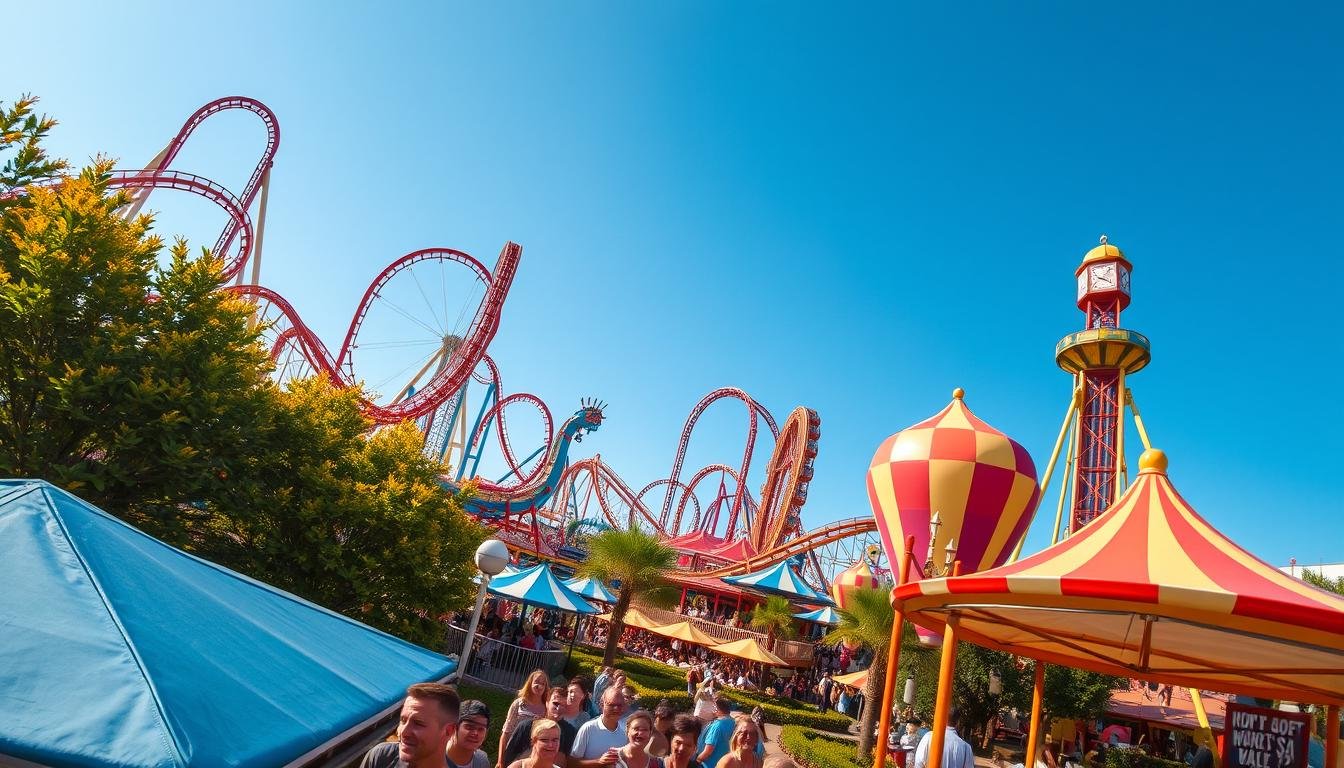
    Worlds of Fun & Oceans of Fun is a 235+ acre theme park complex that pairs high-speed coasters with water‑park splashes. Open May through November, it offers 43 attractions, eight roller coasters and eleven water rides, all on one ticket.

    Top names to know include Mamba, Patriot, Prowler, Timber Wolf and the hybrid Zambezi Zinger. These coasters deliver big drops, airtime and inversions for serious thrills.

    Since the 2024 merger, Six Flags manages operations, passes and offers, so planning is smoother for first-timers and returning fans. Include Oceans of Fun early or late in the day to swap heat for fast lines on the big coasters.

    Expect lots of walking across the loop layout. Pack comfortable shoes, set a game plan, and use Fast Lane and timed dining to cut waits. Family zones like Planet Snoopy make group trips easier and more fun.

    Key Takeaways

    • One admission covers both parks—maximize with a water‑then‑coaster plan.
    • Ride top coasters early: Mamba, Patriot, Prowler, Timber Wolf, Zambezi Zinger.
    • Visit May–November; aim for cooler mornings or evenings to beat crowds.
    • Six Flags management means national pass benefits and clearer operations.
    • Pack for walking, use Fast Lane, and choose smart dining to save time.

    Worlds of Fun Kansas City at a Glance: Location, Seasons, and Park Layout

    Plan your visit around the park’s loop layout to save steps and ride more in fewer hours. The resort sits at 39.177333, -94.489028 in Kansas City, Missouri, and runs seasonally from May through November. These operating days let you pick cooler shoulder dates for lower crowds and better views.

    The overall theme draws from Jules Verne’s Around the World in Eighty Days, giving each area distinct dining, show, and ride motifs across more than 235 acres. Oceans adjacent water attractions have been included with admission since 2013, so plan a midday splash to break up coaster runs.

    The property is organized into eight themed lands—Gateway Gardens, East Asia, Americana, Wild West, Europa, Africa, Scandinavia and Planet Snoopy—arranged in a Randall Duell loop. Since 1997 the back gate functions as the main gate; using it can speed parking‑to‑rope‑drop moves.

    Ride the loop clockwise from Gateway Gardens toward Scandinavia and Africa to cluster attractions and cut backtracking. Scan onsite maps for Europa connectors to reach Wild West faster, and match meals to each land to make the day feel like chapters in a single, well‑planned visit.

    Best Rides and Coasters for Every Thrill Level

    From towering hypers to classic wood twisters, the coaster lineup serves every appetite for speed.

    roller coaster

    Hyper thrills: Mamba’s height, speed, and big-drop airtime

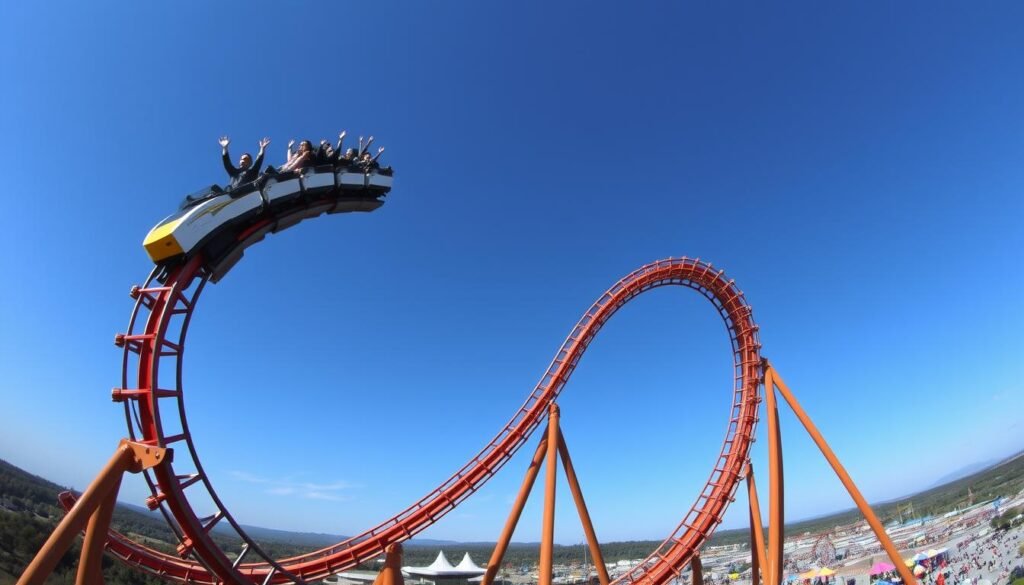
    Mamba is the park’s hyper roller coaster landmark. At over 200 feet it delivers long drops and sustained speed. Riders chase airtime that coaster fans crave.

    Inverted intensity: Patriot’s inversions and smooth B&M layout

    Patriot is a refined, inverted coaster with four inversions and measured pacing. Its B&M design feels smooth and precise on every loop and roll.

    Wooden greats and new‑era hybrid

    Prowler rips through trees with a wild twister profile. Timber Wolf keeps classic woodie character, now punchier with a high‑bank finale.

    Zambezi Zinger brings Titan Track hybrid tech for a modern take on a beloved roller coaster name.

    Family favorites and quick planning

    Spinning Dragons offers gentle, spinning excitement for younger guests. Quick glance height rules help filter must‑do rides before you queue.

    • Start big (Mamba or Patriot), add the wooden pair, then circle back to Zambezi Zinger.
    • Alternate intense coaster runs with flats or water breaks to manage energy and maximize top experiences.

    Oceans of Fun Water Park: Included Access and Can’t‑Miss Slides

    Since 2013 a single ticket unlocks both dry coasters and big water slides for one packed day. Oceans opened in 1982 and has grown into a full water complement next to the coaster loop.

    One ticket, two parks: Since 2013, splash time is included

    This setup is a major value play. Hit slides in late morning, then switch back to coasters as temperatures drop.

    Riptide Raceway and more: How to plan your water-then-coaster day

    Riptide Raceway is the world’s longest mat racing slide and a true anchor for friendly competition and shared laughs.

    • Schedule tip: Start with popular mat racers and wave areas to keep the family together.
    • Rent a locker to keep essentials dry and speed transfers between zones.
    • Pack quick‑dry layers and sandals to cut transition time back to the ride lines.
    • Check posted height requirements before queuing to avoid backtracking.
    Activity Best Time Why Quick Tip
    Mat racers (Riptide) Late morning Lower lines, cool competition Race strategy adds memories
    Wave pool & family play Midday Break from heat, group fun Share wins before solo rides
    Coasters Evening Cooler temps, shorter waits Return after water cooldown

    Plan Your Day Like a Pro: Fast Lane, Timing, Food, and Budget Tips

    A few simple tweaks—arrive early, use priority lines, and pace meals—make the day feel effortless. Start with a short rope‑drop plan and a clear top-two headliner goal to maximize ride time.

    Skip the lines: How Fast Lane and Fast Lane Plus work

    Fast Lane launched in 2012 and cuts wait minutes by giving access to priority queues. Fast Lane Plus adds premium access to select attractions—worth it on busy weekends or short visits when you value more runs.

    When to go and midday breaks

    Weekdays outside holidays usually have lighter crowds. If you must visit a weekend, arrive at the back gate early and hit headliners first.

    Take a midday break: cool off at Oceans of Fun or enjoy a large meal at Cotton Blossom BBQ. Split one bigger meal and share snacks to save money and stay fueled.

    Parking, gate strategy and the Duell loop

    Use the Duell loop to string attractions together and avoid crisscrossing. Rent a small locker near the water to ease water‑to‑coaster swaps. Build buffer time into your schedule and set mobile reminders for showtimes and meal breaks.

    Focus Best Time Quick Tip
    Headliners Rope drop Hit 1–2 first, then pivot
    Midday break Noon–2 PM Oceans or Cotton Blossom meal
    Evening After 6 PM Rerides and night rides

    Safety, Restraints, and Peace of Mind for Guests

    Knowing how restraint systems work helps you ride with more confidence. Major roller coaster rides use layered protections: a lap bar, a seat belt, and visual rider checks by attendants. These work together so one device backs up another.

    Understanding lap bars, seat belts, and checks

    Before dispatch, pull your lap bar snug and confirm the seat belt is routed untwisted and latched. Visually check the seat and press the belt to feel it lock. If anything seems loose, flag an attendant immediately.

    What happened with Mamba and the park response

    Reports noted a girl said her seat belt was unlatched while the train ran; another report the next day described a boy whose belt was corrected before the first hill. State inspectors found some devices not functioning properly. The ride was closed, repaired, and modified per the Fire Marshall before reopening. Six Flags and park team stressed safety is the top priority.

    Tips for families and riders with concerns

    Review height and health advisories, seat younger children toward center cars, and stow loose items. Practice a quick pre‑ride check: lap bar snug, belt latched, and clear egress. If you notice a potential malfunction, stay calm and signal staff—attendants are trained to stop cycles for guest safety.

    Where to Stay Nearby: Worlds of Fun Village and Local Options

    A short walk from lodging to attractions makes multi‑day trips far less hectic. Staying close saves commute time and adds quiet resets between rides.

    worlds fun village view

    On‑site convenience: Worlds of Fun Village opened in 2005 and sits just behind Mamba. The site offers 22 cabins, 20 cottages, and 82 RV sites with electric and cable hookups. This mix fits families, friend groups, and RV travelers.

    Extend the fun with passes and simple routines

    Pair a Season Pass with a multi‑day stay to amortize parking and admission. Guests can return for night rides after a midday break and avoid rushing every attraction.

    • Stock quick breakfast items to speed mornings and save money.
    • Plan one sit‑down meal inside the park during the afternoon lull.
    • Use RV hookups for quick wardrobe and hydration resets between Oceans and evening coasters.
    • Check nearby kansas city hotels if Village units are full for points or larger suites.
    Option Units Best for
    Cabins 22 Small groups wanting a quick walk to the gate
    Cottages 20 Families seeking extra space and comfort
    RV sites 82 Travelers needing hookups and easy resets

    worlds of fun kansas city: Tickets, Season Passes, and Current Offers

    A season pass often becomes the smartest purchase for local guests who visit more than twice a year. Unlimited entry plus free parking means the pass can pay for itself in just a few trips. That makes repeat water‑and‑coaster days cheaper and easier.

    Why a Season Pass can maximize value for repeat visits

    Plan multiple short visits to use time better and avoid cramming a single long day. With Oceans access included since 2013, each ticket covers two parks and boosts value for water‑then‑coaster plans.

    • Save money: parking, discounts, and passholder deals cut per‑visit costs for locals and regional road‑trippers.
    • Stack offers: pair weekday visits with passholder promos to stretch your money without losing experiences.
    • Student and group promos: check seasonal discounts for students during spring and fall shoulder dates.
    • Company perks: Six Flags ownership adds app tools, broader offers, and flexible pass tiers—watch for limited‑time deals and blackout dates.
    Benefit Why it helps Quick tip
    Free parking Lowers trip cost Local trips pay off fast
    Oceans access Two‑in‑one value Split days: water then coasters
    Pass discounts Eat and shop cheaper Plan one Cotton Blossom BBQ meal

    Conclusion

    Set a smart route: chase a few major coaster hits, wedge in Oceans time, and close with evening rerides to make the most of your day.

    Families will love Planet Snoopy and the gentler rides for children, while thrill fans can focus on headline roller coaster runs. Use Fast Lane and the Duell loop to turn walking minutes into extra laps.

    Safety and team checks keep things smooth—do quick pre‑ride checks and follow attendants’ guidance. Locals and students should consider passes for flexible returns.

    Mix signature food breaks and water side splits between coaster sprints. Map your route, pick your top roller hits, and make lasting memories in this Kansas City amusement destination.

    FAQ

    Where is Worlds of Fun & Oceans of Fun located and when is it open?

    The park sits in Kansas City, Missouri, and normally operates seasonally from May through November. Exact open days and hours vary by week, with extended hours on holiday weekends. Check the official Six Flags calendar before your visit for precise times and special event schedules.

    How is the park laid out and what are the themed areas?

    The park covers a large footprint inspired by Jules Verne and is organized into eight themed areas linked by a main loop and the Duell connector. Each zone features unique rides, dining, and family attractions to make navigation intuitive for guests of all ages.

    Which coasters are best for thrill seekers?

    For high thrills, Mamba delivers height, speed, and big-drop airtime. Patriot offers multiple inversions with a smooth B&M design for sustained intensity. Riders should check posted height and health requirements before queuing.

    What wooden or hybrid coasters should I try?

    Wooden fans love Prowler’s twister profile and Timber Wolf’s classic banked turns. The Zambezi Zinger provides a new‑era nostalgic feel with Titan Track hybrid elements that blend smoothness and airtime.

    What are the best family rides and areas for kids?

    Planet Snoopy and nearby family zones feature gentle spinning attractions, carousel‑style rides, and lower‑height coasters designed for kids and parents. These areas are great for mixed groups wanting mild thrills and photo ops.

    How do height requirements and ride ratings work?

    Each attraction posts a height minimum and a safety rating. Measurements are strictly enforced at the ride entrance. If a child falls short, many parks offer alternative experiences nearby. Always follow cast member guidance for safe boarding.

    Does one ticket include Oceans of Fun water park access?

    Since 2013, single admission often covers both the main park and Oceans of Fun on select days. Verify same‑day water access when buying tickets, especially for special events or limited‑season operations.

    How should I plan a day that includes both coasters and water slides?

    Start with popular coasters early, take a midday break to enjoy water attractions during peak heat, then return to dry rides later. Pack sunscreen, a change of clothes, and schedule rest periods to keep energy high all day.

    What Fast Lane options exist and are they worth it?

    Fast Lane and Fast Lane Plus let you skip regular lines on select attractions. They reduce wait times significantly on busy days. Consider the value based on crowd forecasts, group size, and must‑ride priorities.

    When are the best times to visit to avoid crowds?

    Weekdays outside major holidays, early mornings at park opening, and late afternoons are typically less crowded. Midweek visits during school months usually offer shorter lines and lower noise levels.

    What dining options offer the best value?

    Look for full‑service spots like Cotton Blossom BBQ and combo meal deals at food stands to save money. Bring refillable bottles where allowed and consider sharing larger entrées to stretch your budget without sacrificing taste.

    What parking and gate strategies help start the day right?

    Arrive 30–45 minutes before opening to secure closer parking and be among the first in the gate. Have tickets or mobile passes ready to speed entry and head to priority rides before lines build.

    How do restraint systems work and what should guests know?

    Rides use a mix of lap bars, over‑the‑shoulder restraints, and seat belts. Operators perform visual and hands‑on checks at dispatch. Guests with mobility or medical concerns should consult ride signage and ask staff for assistance.

    What happened with past seat belt reports on the Mamba and how did the park respond?

    The park investigated past seat belt reports and worked with manufacturers and ride maintenance teams to address any issues. They updated inspection protocols and communication to reassure guests. For current safety status, refer to posted notices or guest services.

    What health advisories apply and what if I’m riding with young children?

    Follow posted warnings for heart conditions, pregnancy, and recent surgeries. Supervise children closely and use child swap or rider swap programs when available. Measure kids at the station to confirm height compliance before joining lines.

    What lodging options are nearby and why pick on‑site Village stays?

    Nearby hotels and the on‑site Village offer cabins, cottages, and RV sites for easy access. Staying on property adds convenience for midday naps and early entry on select days, and it pairs well with season pass benefits.

    Is a Season Pass worth it and what perks come with it?

    A Season Pass offers unlimited visits, discounts on food and merchandise, and often early entry or event access. For frequent visitors, the pass can pay for itself in just a few visits and unlock savings year‑round.

    Where can I buy tickets and find current offers?

    Purchase tickets, fast lane products, and passes through the official Six Flags website or authorized resellers. Look for seasonal promotions, group rates, and bundled packages that include parking or dining to maximize value.

  • Kansas City Jazz & Heritage Festival Guide: Artists, Dates & What to Expect

    Kansas City Jazz & Heritage Festival Guide: Artists, Dates & What to Expect

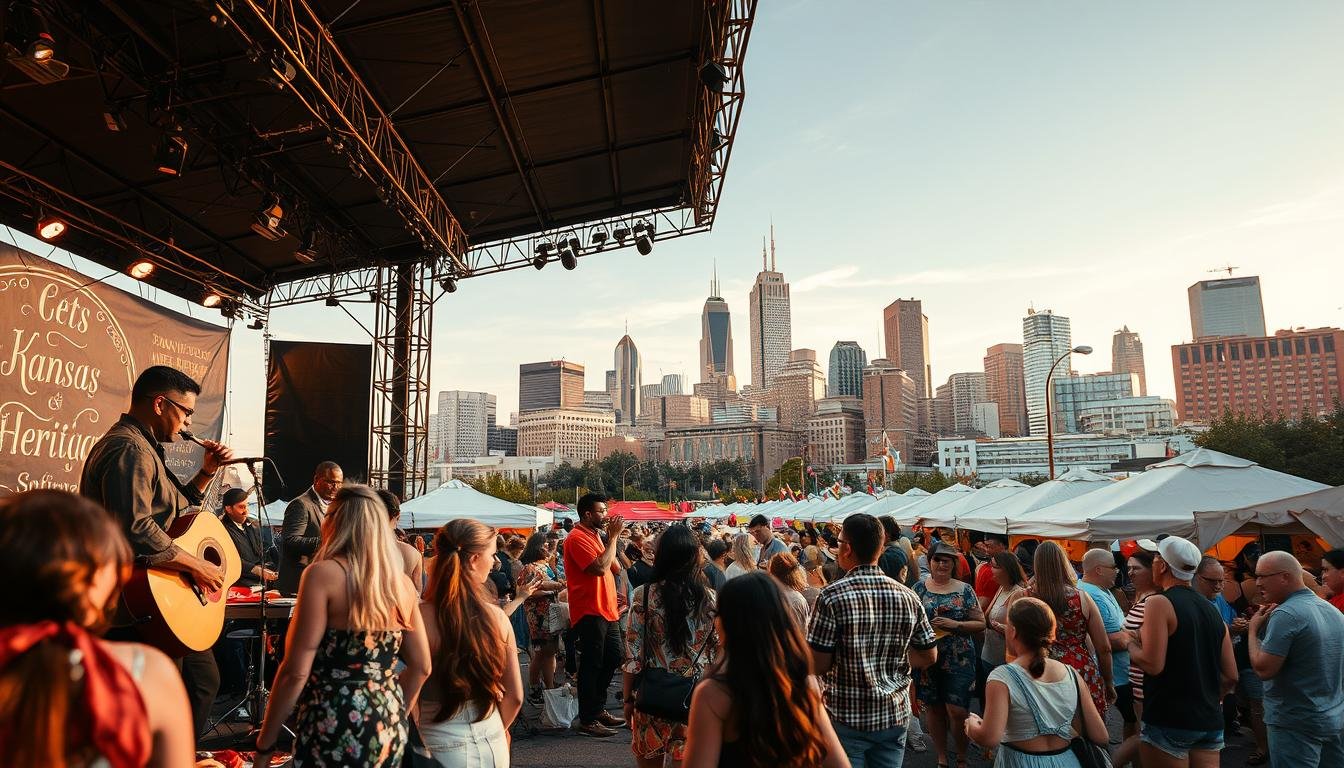
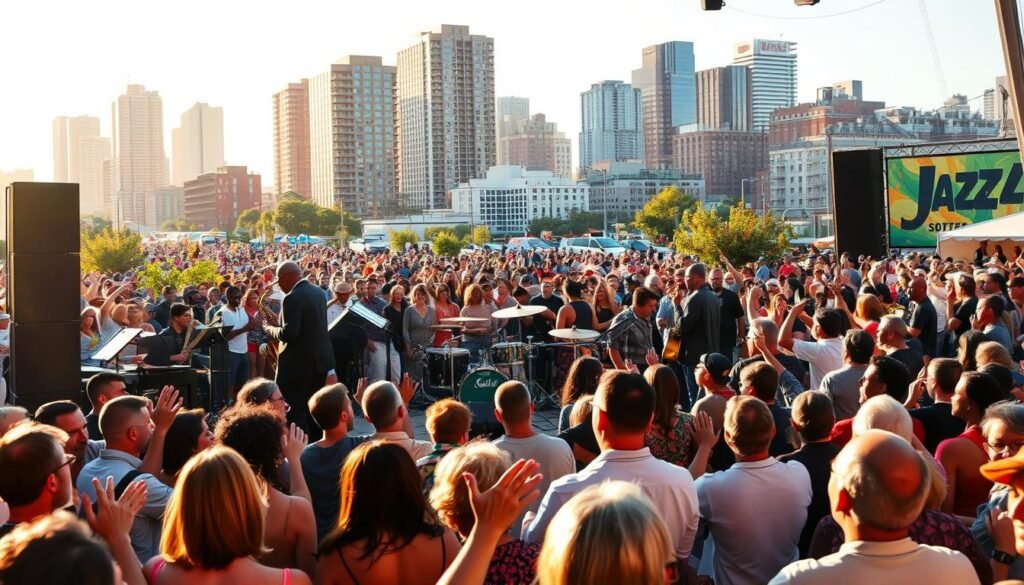
    The KC Blues & Jazz Festival returned October 3–4 at Legends Field, 1800 Village West Pkwy, Kansas City, KS 66111. The two-day event brought national stars and hometown heroes together for a high-energy weekend.

    The lineup featured Stanley Clarke Quartet, Shemekia Copeland, Karl Denson’s Tiny Universe, Bill Frisell Trio with Thomas Morgan & Rudy Royston, plus Gregory Tardy as a guest. Local favorites like Roosevelt Collier, Jackie Myers, Bobby Watson & David Basse also appeared.

    This guide recaps who played, when it happened, and how producers honored regional heritage while spotlighting today’s performers. You’ll get quick insights on stage highlights, layout choices, and practical tips for attending the next edition.

    Key Takeaways

    • Two-day recap of headline acts and standout local sets.
    • Community-driven programming balanced with national talent.
    • Venue and production choices improved sightlines and acoustics.
    • Practical tips to plan arrival times and catch major shows.
    • How partnerships linked performances to local history and education.

    Quick Facts: Dates, Venue, and Vibe at Legends Field

    When it happened:

    October 3-4

    The revived format ran over two well-paced days, October 3–4. Attendees enjoyed headliners and discovery sets spread across a compact schedule that made it simple to sample multiple acts.

    Where to go next time:

    Legends Field, 1800 Village West Pkwy, Kansas City, KS 66111

    Legends Field served as the central hub. Recent stadium upgrades—like the artificial turf—helped production handle stage builds and heavy foot traffic without harming natural grass.

    The three-stage layout gave variety: a main stage for marquee acts and two smaller stages for rising and local performers. Clear signage, easy entrances, and on-site amenities kept movement smooth.

    Item Detail Why it mattered
    Dates October 3–4 Compact schedule favored discovery and headline viewing
    Venue Legends Field (artificial turf) Allowed sturdy stage setups and better crowd flow
    Setup Three stages, concessions, restrooms Diverse listening options and comfort during set changes

    “Clear wayfinding and staff support helped fans navigate quickly and fit more music into each day.”

    Lineup Highlights: From Stanley Clarke to Shemekia Copeland

    A mix of global stars and hometown talent created a weekend of deep musical contrasts and raw energy. The program balanced virtuosic performances with community-driven sets to keep every hour exciting.

    jazz festival

    Headliners and major draws

    Stanley Clarke Quartet delivered virtuosic bass work and tight group interplay that anchored peak improvisation. Shemekia Copeland brought powerful, modern blues storytelling and commanding vocals. Karl Denson’s Tiny Universe fused funk and groove for dance-ready moments.

    Jazz greats and special sets

    Bill Frisell’s trio with Thomas Morgan and Rudy Royston explored delicate textures and lyricism. Guest saxophonist Gregory Tardy added a festival-only spark that made the set feel unique and intimate.

    The KC core

    Ken Lovern’s OJT and veterans Bobby Watson & David Basse represented the hometown sound with pride. The KC Youth Jazz Ensemble provided bright, hopeful performances and a link to the next generation of players.

    Blues energy and local favorites

    Roosevelt Collier’s pedal steel lit up the stage, while Jackie Myers’ soulful keys grounded several sets. Nick Schnebelen Band and Brody Buster’s Redemption brought gritty, crowd-pleasing momentum.

    “Smart scheduling let fans catch headliners without missing hometown breakouts.”

    Act Style Why it mattered
    Stanley Clarke Quartet Fusion/Instrumental Virtuosity and improvisational peaks
    Shemekia Copeland Blues Powerful vocals and storytelling
    Karl Denson’s Tiny Universe Funk/Groove Danceable sets that bridged audiences
    KC core & Rising Acts Blues jazz / Roots Local identity, education, and energy

    The kansas city jazz festival Story: Roots, Revival, and the KC Sound

    What began in 1991 as a partnership between two local music groups grew into a major open-air celebration. It started when the Kansas City Blues Society joined the Jazz Ambassadors to pool stages, audiences, and civic support.

    Origins in 1991: Blues Society + Jazz Ambassadors merge

    Roger Naber of the Grand Emporium led early booking and guided a mix of marquee and hometown acts. That teamwork helped the new program gain fast momentum and broad public interest.

    Peak years: Free, multi-stage, ~50,000 attendees at Liberty Memorial

    The open-air layout at Liberty Memorial became iconic. Free admission, three stages, and community vendors attracted roughly 50,000 people in the festival’s prime years.

    Hiatus and comeback: A return at Legends Field with the Kansas City Monarchs

    Financial strain paused the run in 2001, but the idea never died. The Kansas City Monarchs later revived the event at Legends Field, using upgraded stadium infrastructure to honor the past and modernize the experience.

    “The revival bridged generations by mixing heritage programming with contemporary acts.”

    Phase Key facts Why it mattered
    Origins (1991) Merger of two organizations; Roger Naber booking Created a unified, civic-backed music showcase
    Peak years Free, multi-stage at Liberty Memorial; ~50,000 attendees Built regional reputation and broad access
    Hiatus & Revival Paused in 2001; revived by Monarchs at Legends Field Updated sites and production renewed community impact

    Why Legends Field Matters for a Blues & Jazz Festival

    Legends Field offered a practical, modern home that let music take center stage without the usual turf headaches.

    The stadium’s recent renovations, including artificial turf, made multi-stage builds reliable and fast. Crews spun stages quickly and kept footing safe for artists and fans.

    Production benefits included built-in lighting, ample power, and scaled concessions that handled peak crowds with fewer delays.

    Three stages, modern upgrades, and a turf built for big events

    Concentrating three stages inside one well-serviced field cut walking time. That meant more music and less transition stress for attendees.

    After-hours jams and community energy in KCK

    The Monarchs’ push to diversify events brought fresh neighborhood energy. Local venues and late-night jams stretched the weekend vibe beyond the stadium.

    “Clear sightlines and sound zones let every set breathe, so different acts felt distinct and alive.”

    • Accessibility: Multiple entry points and seating plans kept flows smooth.
    • Vendors: Predictable traffic helped partners serve guests faster.

    The result was a polished, high-spirited home for a modern revival that honored tradition while delivering a first-rate festival experience.

    What to Expect On-Site: Music, Food, and Cultural Exhibits

    On-site offerings combined hearty barbecue, hands-on exhibits, and three stages built for swift movement between sets.

    BBQ and food trucks: A KC must-have

    BBQ was front and center. Food trucks and vendors served regional plates and quick bites. Lines moved steadily so you could grab food between acts.

    Educational exhibits: American Jazz Museum and partners

    The American Jazz Museum and the KC Blues Society hosted interactive booths. Displays tied performers to local history and offered hands-on learning for all ages.

    Accessibility and comfort: Moving between stages with ease

    The three-stage layout cut walking time and made back-to-back sets easy to catch. Clear signage, staffed checkpoints, and accessible seating added comfort.

    • Expect a strong culinary lineup with BBQ and diverse options.
    • Hydration stations, shaded areas, and restrooms supported long days.
    • Merch and partner booths offered local finds and artist drops.

    “The on-site mix let fans enjoy deep improvisation or blues-forward vocals without missing a beat.”

    KC Heritage Spotlight: From 18th & Vine to Today’s Stages

    Eighteenth & Vine’s clubs shaped a groove that still threads through today’s live sets. Small rooms taught musicians how to blend blues feeling with bold improvisation.

    blues jazz

    The Kansas City Sound: Basie, Parker, and jump blues roots

    Count Basie and Charlie Parker turned local rhythms into national language. Their work mixed swing, riff-driven jump blues, and the early roots of R&B and rock.

    That riff-first approach made big bands tight and horn lines memorable. It also gave soloists a call-and-response feel that still surfaces onstage.

    Living legacy: Mutual Musicians Foundation and late-night culture

    The Mutual Musicians Foundation keeps after-hours jams alive. It is a living hub where elders, young players, and educators trade tunes and techniques.

    This heritage isn’t museum-bound. At the recent blues jazz festival, organizers paired elders with new voices to make the story audible and immediate.

    “History swings in the present tense when players keep the late-night tradition alive.”

    • Hear the lineage: from horn voicings to rhythmic feel.
    • Visit: pair a festival day with 18th & Vine or a late-night jam to complete the experience.

    Plan Your Festival Day: Tips for Music Fans

    A well-planned schedule turns two busy days of music into focused listening and new discoveries. Start by picking one headliner per day as your anchor and build around that set.

    Build your setlist: Jazz, blues, and the spaces in between

    Circle headliners first so you can slot adjacent acts without conflict. Mix styles to keep energy balanced: pair a high-energy blues set with a quiet trio or an organ-driven groove.

    Don’t skip locals. Add Ken Lovern’s OJT or similar hometown acts to feel the scene between national names.

    Timing your day: Catching big names and rising locals

    Leave buffers for walking, food, and gear checks. Use afternoon windows for discovery acts and save prime evening blocks for marquee performances and collaborations.

    • Check maps and pick meet-up spots.
    • Bring layers and comfy shoes.
    • Watch for surprise guest sit-ins after headliner slots.

    “Anchor your schedule and stay flexible—that balance makes each day more rewarding.”

    Conclusion

    The revival proved a storied music tradition can thrive in a modern stadium setting. Legends Field delivered strong, clear production and comfortable sightlines that let artists and audiences connect.

    The program balanced deep-rooted blues with adventurous improvisation. Across two lively days, national stars and local stalwarts created memorable moments and surprise sit-ins.

    Community partners and heritage programming kept the weekend grounded. Organizational investments set a firm foundation for future growth and scaled returns.

    If you love great music and civic spirit, this blues jazz festival made a compelling case to return. Watch for announcements, plan early, and be ready for the next chapter at Legends Field.

    FAQ

    When did the event take place?

    The two-day event occurred October 3–4, with music and cultural programming across Legends Field.

    Where was the festival held?

    The venue was Legends Field at 1800 Village West Pkwy, offering three main stages, food vendors, and ample room for fans.

    Who were the headline performers?

    Headliners included the Stanley Clarke Quartet, Shemekia Copeland, and Karl Denson’s Tiny Universe, supported by a mix of national and local acts.

    Which local artists and groups were featured?

    Local highlights included Ken Lovern’s OJT, Bobby Watson & David Basse, the KC Youth Jazz Ensemble, and regional blues favorites like Nick Schnebelen Band.

    What kind of food and vendors were on site?

    Expect classic BBQ, food trucks, and regional vendors showcasing barbecue staples, sandwiches, snacks, and drinks from local restaurants and caterers.

    Were there educational exhibits or partner organizations?

    Yes. Community partners such as the American Jazz Museum and local arts groups hosted exhibits, panels, and youth programming throughout the weekend.

    Is Legends Field accessible and family friendly?

    Legends Field offers ADA access, restroom facilities, and clear pathways between stages, making the event comfortable for families and attendees with mobility needs.

    How many stages and performance spaces were there?

    The festival used three stages plus smaller pop-up areas for late-night jams and community showcases, creating a mix of set lengths and sonic variety.

    Are late-night performances and after-hours jams part of the festival?

    Yes. After-hours jams and late shows kept the energy going, reflecting the city’s tradition of late-night music culture and the Mutual Musicians Foundation scene.

    What safety measures and event services were available?

    Standard event services included onsite security, first aid stations, clearly marked exits, and staffed information booths to assist attendees.

    How can attendees build a day plan to catch favorite acts?

    Check the published schedule in advance, prioritize headliners and set times, leave buffer time for walking between stages, and include a food break to stay energized.

    What transportation and parking options were recommended?

    Legends Field offers parking lots nearby; many fans used rideshare services or shuttles. Arrive early for best parking and to avoid traffic around set change times.

    How does the event connect to the city’s musical history?

    The program emphasized the local sound—jump blues, swing, bebop—and honored institutions like the Mutual Musicians Foundation and the 18th & Vine legacy.

    Were tickets single-day or two-day passes?

    Organizers offered both single-day tickets and two-day passes to give flexibility for fans who wanted full-weekend access to artists and special sets.

    Can I expect a mix of blues and jazz genres?

    Absolutely. The lineup balanced jazz, blues, soul, and fusion acts, creating cross-genre moments that highlight both instrumental virtuosity and vocal power.

  • Kansas City Zoo Guide: Top Exhibits, Hours & Visitor Tips

    Kansas City Zoo Guide: Top Exhibits, Hours & Visitor Tips

    Start your day at the kansas city zoo with a simple plan and plenty of energy. This AZA-accredited attraction spans 202 acres in Swope Park and blends large habitats with focused exhibits for memorable encounters.

    Expect more than 1,700 animals in the outdoor park and thousands more in the Sobela Ocean Aquarium. The layout favors five themed areas—Africa, Australia, Tiger Trail, KidZone, and The Valley—so you can move through highlights without backtracking.

    Opened in 1909 and open year-round, the facility welcomes over a million visitors annually. Use this guide to pick the best routes, time your visit around events, and spot rare species without long waits.

    Plan a smooth day: start where crowds are light, follow suggested exhibit loops, and enjoy food and rest stops that keep families refreshed. This introduction sets up practical tips to make your visit efficient, relaxed, and fun.

    Key Takeaways

    • AZA-accredited park covers 202 acres with distinct themed areas.
    • Over 1,700 outdoor animals plus extensive aquarium species.
    • Open year-round—plan around events for best timing.
    • Follow recommended routes to avoid backtracking and long lines.
    • Bring comfortable shoes and use rest stops to keep energy up.

    kansas city zoo: Overview, Hours and What to Expect

    Visitors find a mix of expansive habitats and concentrated displays across a 202-acre property in Swope Park. The site is AZA-accredited, which means high standards for care and conservation.

    Location & size

    The zoo sits at 6800 Zoo Drive in Swope Park, an easy-to-reach area for a full-day outing. Wide paths and themed sections help you plan loops without backtracking.

    Hours & year-round access

    Open daily, year-round, the facility adjusts a few services during bad weather but keeps core exhibits accessible. Check posted hours at the entrance or online before you go.

    Animals, aquarium & key exhibits

    Expect 1,700+ land animals and about 8,000 water species in the Sobela Ocean Aquarium. Start near Polar Bear Passage to see a 140,000-gallon pool and thick viewing glass that brings polar bears close in an immersive exhibit.

    • Tip: Use section signage to navigate Africa, Australia and Tiger Trail.
    • Plan shaded breaks at plazas to recharge during long walks.

    Top Exhibits You Can’t Miss

    Head to the main exhibits first to avoid crowds and catch lively animal moments. Start at these highlights to see diverse species and strong conservation storytelling across the park.

    helzberg penguin plaza

    Helzberg Penguin Plaza

    Helzberg Penguin Plaza blends spectacle and science. Watch kings and gentoos rocket through a 100,000-gallon cold-water pool while Humboldt penguins enjoy a 25,000-gallon warm pool.

    The helzberg penguin displays also show rockhoppers and smaller aquarium windows for varied species sightings.

    Polar Bear Passage

    Polar Bear Passage is a showpiece. The $11 million habitat centers on a 140,000-gallon pool with 2.25-inch-thick glass for dramatic underwater view angles.

    These polar bear spaces invite long looks as animals swim, dive, and surface near the glass.

    Orangutan Canopy, Chimpanzees & Tiger Trail

    Orangutan Canopy (opened 2015) gives six Bornean orangutans a 3,400-square-foot naturalistic home for close-up encounters.

    Africa’s chimpanzee habitat pairs a large exhibit with a viewing classroom for learning and lingering observation.

    Stroll Tiger Trail to find critically endangered Sumatran tigers and a charming red panda set in Asian-themed landscaping.

    • Tip: Penguin plaza and polar bears sit near the entrance—perfect as first stops.
    • Use quieter corners at each exhibit for the best view and family breaks.

    Africa and Australia Highlights

    This area pairs dramatic open exhibits with tucked-away forest corners so you can switch pace without leaving the loop. Move through distinct subsections for a clear, rewarding route that keeps kids engaged.

    Mapped Africa subsections

    Botswana showcases elephant demos and a long habitat that highlights natural behaviors across a broad exhibit footprint.

    Kenya offers plains views and an aviary where mixed-herd species sit near elevated platforms for easy comparison.

    Tanzania centers on lions and rhinos and includes a standout chimpanzee group—give this cluster extra time to observe group dynamics.

    Uganda is where African wild dogs and baboons romp in active enclosures that thrill visitors of all ages.

    Congolese Rainforest crosses a swinging bridge into shaded trails with bongo, duiker, and gorilla lookouts—perfect for a midday break.

    Australia walk-about & nearby kid-friendly links

    Head to the Australia walk-about for free-roaming red kangaroos, wallabies, emus, and a tranquil Woodland Aviary.

    KidZone and Tropics connect close by, letting you alternate interactive stops—lorikeet feedings and sea lion shows—with indoor tropical exhibits.

    • Map your route by subsection to cover two or three Africa stops and one Australia loop.
    • Use posted signs to learn species facts and tie them to conservation messages found across the kansas city zoo area.

    Signature Rides and Animal Experiences

    A mix of aerial and ground rides turns travel between exhibits into an active part of the visit. These options save steps and add unique perspectives on herd behavior and habitat layouts.

    Sky Safari, tram, train and boat: best vantage points for giraffes, zebras and rhinos

    Ride the African Sky Safari for a true birds-eye look at giraffes, zebras and rhinos. The elevated path gives a sweeping view of herds and watering points.

    Use the tram, train, and boat to hop between zones. Each offers a fresh point of view you can’t get from walking paths.

    “Try a Sky Safari early to see animals moving before crowds build.”

    Stingray Bay touch pool and lorikeet feedings

    Stingray Bay features a shallow touch pool with rays and bamboo sharks. Staff guide safe interactions so guests learn while touching.

    KidZone feedings include colorful lorikeets daily. These sessions are perfect for kids and photographers seeking close-up shots of active species.

    • Plan a Sky Safari run first, then tram to your next point to beat lines.
    • Keep your camera ready—rides often pass feeding or shade spots where animals gather.
    • Ask keepers about peak activity for dogs or hoofstock along ride routes.

    Tickets, Admission and Parking Made Easy

    Ticketing is simple and flexible, with budget-friendly base fares and optional ride bundles that fit a full day of attractions.

    General admission, packages and ride add-ons

    Admission runs about $14 for adults (12+), with seniors getting discounts. Children 3–11 pay roughly $12 and kids under 2 enter free.

    Ride packages bundle train, tram, carousel, boat and Sky Safari. Single rides cost about $2–$3 each. Packages often save money when visitors plan multiple add-ons in one visit.

    Free lots, drop-off and entrance details

    Free parking is available in the Mane, Zebra, and Cheetah lots. A convenient drop-off zone sits between Zebra and Cheetah close to the main entrance.

    Every lot includes accessibility spaces so arrivals stay swift and stress-free.

    Rentals and mobility options

    Rent strollers, wagons, and wheelchairs on site for about $8–$10. ECVs run near $22–$25; reserve these ahead at (816) 595-1137 because same-day bookings aren’t accepted.

    • Tip: Arrive early for the best parking and to stretch your admission across popular exhibits and events.
    • Match ride add-ons to the animals and species you most want to see to save time walking across the area.

    Food, Drinks and Amenities

    Plan meal stops so dining becomes a quick recharge between exhibits, not a long interruption. Many guests time lunch to avoid crowds and return to favorite displays fast.

    Tuxedo Grill sits near Helzberg Penguin Plaza and acts as the main restaurant on the loop. The menu has flatbread pizzas, steak burgers, black bean burgers, grilled chicken clubs, and salads. It’s a great spot for a hot meal before you hit the next exhibit.

    Snack stands and vending are sprinkled across the park. That makes it easy to grab water and small bites on a busy day.

    food restaurant kansas city zoo

    Bring-your-own policy and picnic areas

    Visitors may bring packed lunches and nonalcoholic drinks. Designated picnic areas let families spread out, rest, and map their route for the afternoon.

    No glass containers are allowed. Choose cans or plastic bottles to protect guests and animals.

    Option Location Best for
    Tuxedo Grill (restaurant) Near Helzberg Penguin Plaza Families wanting hot meals and quick service
    Snack stands / vending Scattered across grounds Hydration, quick bites between stops
    Picnic areas Several shaded spots near main paths Budget meals, kids breaks, group lunches

    Tip: Eat near your next stop so you can return to the action without extra walking.

    • Look for plant-forward choices like black bean burgers and salads.
    • Plan meals slightly early or late to avoid the lunch rush at the entrance and main restaurant.
    • Keep snacks handy for quick kid resets between demonstrations.

    Planning Tips, Best Times and Suggested Routes

    Timing your visit makes a big difference. September and October offer milder weather and fewer school groups, so visitors cover more exhibits and move faster across the grounds.

    When to visit & inclement weather

    Aim for September–October for cooler temps and lighter crowds. Fewer field trips mean shorter lines and calmer viewing at popular spots like Tiger Trail and the red panda area.

    The park stays open in inclement weather, but rides may pause. If rain or wind hits, shift to indoor or sheltered exhibits to keep the day productive.

    Time budgeting & suggested loops

    Block roughly 2 hours for the Africa route. That area spans multiple subsections and rewards slow observation of species.

    Plan about 1.5 hours for the Australia and Tiger Trail loop to catch kangaroos, big cats, and the red panda without rushing.

    • Start early and focus one section zoo in the morning (Africa), then switch areas after lunch for a smoother flow.
    • Use KidZone shows and lorikeet feeds as energy resets—great pacing for families with young visitors.
    • If crowds rise, reverse your route: begin with Tiger Trail and kangaroos, then head to Africa later when lines thin.

    “Budget a small buffer to revisit a favorite species or catch keeper talks when animals get lively later in the day.”

    Conclusion

    End your visit by noting the animals and sections that sparked curiosity, then share plans with your group.

    One last tip: revisit a favorite view or the penguin pool for a final memory. The kansas city zoo and nearby city zoo spots offer marquee exhibits and quiet corners, so balance big-show stops with shorter, flexible visits to other sections.

    Use what you learned today to plan a return. Celebrate small group wins, mark species to see next, and enjoy the feeling of a well-paced day. Thanks for reading—now go make memories with the animals.

    FAQ

    What are the zoo’s current hours and is it open year-round?

    Most exhibits operate daily with seasonal hours; many areas remain open year-round. Check the zoo’s official website or call ahead for today’s opening and closing times, special-event schedules, and holiday variations to plan your visit.

    Where is the zoo located and how large is the park?

    The park sits in Swope Park and spans about 202 acres. It holds AZA accreditation and blends large habitats, walking paths, and ride lines so visitors can see a wide variety of animals across the grounds.

    How many animals and species are on site, including the aquarium?

    The collection includes roughly 1,700+ animals in the main grounds and tens of thousands in the Sobela Ocean Aquarium complex. Expect a diverse species lineup from penguins and polar bears to stingrays and parrots.

    What should I know about Helzberg Penguin Plaza?

    Helzberg Penguin Plaza features both cold and warm water pools, glass viewing, and a species rotation that often includes African penguins and other temperate species. It’s family-friendly and near dining options like the Tuxedo Grill.

    Tell me about Polar Bear Passage and viewing options.

    Polar Bear Passage has a large, multi-level habitat with a 140,000-gallon pool and thick underwater glass for close-up viewing. Look for feeding demos or keeper talks for extra insight into polar bear behavior.

    Which exhibits are best for close encounters and animal experiences?

    Signature experiences include the Sky Safari, tram, train, and boat rides that offer elevated views of giraffes, zebras, and rhinos. Stingray Bay touch pool and lorikeet feedings let kids interact directly under staff supervision.

    Are there rides and how do I get the best vantage points?

    The Sky Safari and tram provide excellent vantage points across Africa and Australia sections. Take the tram early to avoid lines and combine it with the train loop to cover more ground without extra walking.

    What animals are featured on Tiger Trail and nearby sections?

    Tiger Trail highlights Sumatran tigers and adjacent Asian species such as red pandas. The area recreates an Asian ambience with layered habitats and viewing galleries.

    How does the Africa area break down and what should I see there?

    Africa is organized into subsections—Botswana elephants, Kenya plains, Tanzania lions and rhinos, Uganda wild dogs and baboons, and a Congolese Rainforest zone. Plan a route to catch big-cat viewing and large-herd feedings.

    What can families expect in the Australia walk-about and KidZone?

    Australia features free-roaming kangaroos, emus, and a Woodland Aviary. KidZone offers interactive play, smaller animals, and close connections to Tropics exhibits—great for younger visitors who need shorter walking loops.

    What are ticketing options, prices, and ride add-ons?

    Admission includes general entry with optional packages for rides and special encounters. Choose single-day tickets or membership passes for frequent visits. Online purchase often provides faster entry and discounts on add-ons.

    Is parking available and where should I drop off my group?

    Several free parking lots serve different entrances, often named for nearby landmarks. Look for designated drop-off zones and accessible parking spaces close to main gates to make arrival smoother for groups and visitors with mobility needs.

    Are rentals and accessibility services offered on site?

    Yes—strollers, wagons, wheelchairs, and ECVs are typically available for rent. Reserve mobility devices in advance when possible. The park provides accessible routes, viewing platforms, and staff assistance as needed.

    What dining options and rules should visitors know?

    Multiple dining spots and snack stands dot the grounds, including the Tuxedo Grill near the penguin plaza. You can bring your own food to designated picnic areas, but glass containers and feeding wild animals are prohibited.

    Can I bring my dog or other pets to the zoo?

    For animal welfare and visitor safety, pets are generally not allowed inside exhibit areas. Service animals trained to perform tasks are permitted; check policies and present documentation if required.

    When are the best times to visit to avoid crowds and enjoy pleasant weather?

    Late summer and early fall—especially September through October—offer milder weather and smaller crowds. Early mornings on weekdays also provide cooler temperatures and active animal viewing before midday heat.

    How much time should I budget for a full visit and suggested routes?

    Plan for at least half a day to see major exhibits; a full day gives time for rides, shows, and meal breaks. Suggested routing: start with Africa, loop to Tiger Trail and Australia, then finish at KidZone and aquarium areas for a relaxed pace.

    Are there special events, birthday packages, or group rates?

    The venue hosts seasonal events, educational programs, and birthday or group packages. Book group visits and private experiences in advance to secure preferred times and any guided tours or behind-the-scenes options.

    What should I bring for a comfortable visit?

    Bring water, sun protection, comfortable walking shoes, and a camera. Pack layers for cooler exhibit areas like the penguin plaza or indoor aquariums. A small first-aid kit and hand sanitizer help families stay ready for a full day.

  • Columbus Park Kansas City Guide: History, Restaurants & Little Italy Vibe

    Columbus Park Kansas City Guide: History, Restaurants & Little Italy Vibe

    Welcome to an inviting look at Columbus Park, a neighborhood with a warm Little Italy legacy and lively streets. This introduction sets a friendly tone and shows what to expect as you explore local food, community hubs, and everyday life in the area.

    The neighborhood grew from waves of Italian immigration starting in the 1860s, with many settlers from Sicily who built family businesses and parish life around Holy Rosary.

    By mid-century, road shifts and the I-35 corridor changed blocks and led to the official name change to Columbus Park in 1967. Community anchors like Don Bosco and Garrison still matter today.

    Food and gatherings keep the area lively: beloved spots serve savory spiedini and sugo, farm-forward brunch, and bold coffee tied to local advocacy. Expect brick streetscapes, multi-generational warmth, and easy visits from nearby downtown and River Market.

    This article gives beginners a clear, upbeat map for a morning, afternoon, or weekend in this historic neighborhood.

    Key Takeaways

    • Columbus Park blends Sicilian roots with modern neighborhood life.
    • Holy Rosary and Don Bosco shaped local community support.
    • Dining highlights include classic Italian dishes and fresh brunch spots.
    • Mid-century highway work reshaped the area’s layout and access.
    • The neighborhood offers easy trips from downtown and the River Market.

    Welcome to Columbus Park: A Beginner’s Guide to the North End next to River Market

    Tucked just north of Independence Avenue, this compact neighborhood sits beside the river market but is cut off by Missouri Route 9. The close rails and highways make the setting gritty, yet the area keeps a clear, independent beat.

    First‑time visitors often notice a calm, quirky vibe. Murals, cozy cafés, and small businesses give the side of town a creative edge that feels lived‑in rather than polished.

    • Walkable loop: Park once and stroll a few blocks for coffee, a bite, and quick stops.
    • Look for landmarks: Community gardens and pocket greens offer pleasant pauses.
    • Bring a camera: Textures and signage make for photogenic streetscapes.

    Think of this part of kansas city as the laid‑back counterpart to its flashier neighbor. Take your time, follow your curiosity, and you’ll find a favorite corner of town that feels like a small, steady discovery.

    From North End to “Columbus Park”: Little Italy roots, resilience, and change

    Many early families read the neighborhood like a map of work, worship, and shared meals. The North End grew as Sicilian newcomers arrived in the 1860s, drawn to meatpacking, the River Market, and garment jobs nearby.

    north end

    Daily life clustered around family-run stores and corner hubs inside tight blocks of brick buildings. Children split time between school and helping at home, and elders kept traditions alive through neighborhood routines.

    Immigration, faith, and local anchors

    Holy Rosary became the parish heart by 1890. After the original church burned on Easter 1903, the congregation rebuilt that year at Missouri Avenue and Campbell.

    “The rebuilt church and its bells have long marked both sorrow and celebration for local families.”

    Don Bosco and practical support

    The Don Bosco Community Center opened in 1940 across from Holy Rosary. It offered basketball, sewing, and boxing—programs that helped newcomers find friends and skills.

    Roads, change, and a new name

    Mid-century highway work reshaped the area when the Sixth Street Trafficway moved toward I-35 and cut parts of the neighborhood. Residents adapted and, in April 1967, the area officially took the name Columbus Park.

    • Italian immigration shaped the North End’s population and pace.
    • Holy Rosary served as a cultural and spiritual anchor through wars and celebrations.
    • Community spaces like Don Bosco eased integration and built local resilience.

    Where to eat and drink in Columbus Park Kansas City

    Start your food tour where old-school signage meets homemade recipes and a soundtrack that feels like another era. The neighborhood serves classic Italian staples, farm-forward brunch, and bold coffee in tight, walkable blocks.

    Garozzo’s Ristorante

    Garozzo’s opened in 1989 and is famed for its Chicken Spiedini, house-made sugo, and Garozzo Cellars wines. Reserve ahead, soak up 1940s–50s music, and watch the green-white-red sign declare a beloved, family-run staple.

    Happy Gillis

    Since 2013, Happy Gillis champions local farms with brunch menus served in signature ceramics and fresh flowers. It also hosts neighborhood happenings like the Columbus Park Art Crawl on third Fridays and occasional beer dinners.

    Café Cà Phê and nearby flavors

    Café Cà Phê is launching a brick-and-mortar with a bold dragon mural and a focus on Vietnamese coffee drinks. Founder Jackie Nguyen has led AAPI advocacy and partnered with peers during the pandemic to fund repairs and support the local community.

    Quick tips

    • Start at Garozzo’s for spiedini, then loop to Happy Gillis for brunch or an Art Crawl sip.
    • Drop by Café Cà Phê for a mural photo and strong coffee before heading to the River Market for dessert.
    • These spots welcome families and feel like corners of a single, friendly neighborhood space.

    Community spaces, parks, and things to do

    From a century-old field house to a grassroots skatepark, this area offers hands-on experiences for all ages.

    Garrison Community Center: a historic hub for wellness and connection

    The Garrison Community Center began in 1914 as the Garrison Field House, designed by Adriance Van Brunt & Co.

    Named for abolitionist William Lloyd Garrison, it still serves the public as a weekday heating and cooling center, open 8 a.m.–5 p.m.

    The center offers low-cost adult passes and free youth boxing classes, creating an approachable center for fitness and skill-building.

    Harrison Street DIY Skatepark: grassroots creativity and what’s next under Buck O’Neil Bridge

    The Harrison Street DIY Skatepark started in 2014 when skaters reclaimed a 12,000-square-foot lot and turned a neglected corner into a lively creative space.

    Development pressures could level the site, but city leaders and partners — including Councilman Eric Bunch and Burns & McDonnell — are working on supplies and plans to move the park under the Buck O’Neil Bridge on the west side of the river corridor.

    “What started as a scrappy project shows how persistent neighbors protect places where young people learn and belong.”

    Columbus Square park and East Bottoms neighbors

    Columbus Square park offers shaded sidewalks and a quiet spot to rest between stops.

    Venture east to the East Bottoms for experiences at J. Rieger & Co. or live shows at Knuckleheads, then return to the local loop.

    • Drop into the Garrison Community Center to see history in active use and to cool off or warm up.
    • The skatepark is a model of neighborhood pride and may find a new home beneath the Buck O’Neil Bridge.
    • These community spaces show the area’s heart, where neighbors meet, learn, and relax.

    Whether you visit solo or with friends, these stops add variety to a short itinerary. They reveal how public places shape daily life in columbus park, kansas city and help newcomers feel welcome in the neighborhood.

    Homes, architecture, and the neighborhood vibe

    Sturdy rowhouses and narrow flats give the area a lived‑in look that reflects decades of family life.

    Brick buildings, split-level flats, and multi-generational roots

    Many streets showcase sturdy brick façades and compact flats. These buildings hint at the neighborhood’s long history and practical design.

    Older multifamily homes sit next to single-family houses. You can still spot porches and stoops where neighbors pause to talk.

    Families often shared tight quarters in earlier decades. Some accounts recall relatives sleeping on balconies to stay cool before air conditioning.

    That history gives the streets a calm, layered rhythm today. Weathered signage, simple trim, and mixed-use blocks keep a consistent visual identity.

    • Sturdy brick exteriors and compact flats reveal the area’s roots.
    • Multi-generational living shaped daily routines and neighborly ties.
    • Architectural details reward slow, unhurried walks and photos.

    Columbus Park still feels like a place where people make a home and look out for one another.

    Getting around: river, rail, and the routes that shape the area

    The junction of water and rail shaped both industry and the small blocks where neighbors meet. Historic maps show levees, jetties, and rail lines that guided early growth and still influence movement today.

    river market

    Missouri River edges, Kaw Point, and the East/West Bottoms context

    The Missouri River frames the story of this land. A 1924 aerial revision map highlights levees, creeks, and Goose Island, plus Kaw Point where the Kansas and Missouri rivers meet.

    That junction anchors the east and west Bottoms, linking industrial roots with bridges and riverside views.

    Missouri Route 9, proximity to downtown, and River Market connections

    Missouri Route 9 creates a clear edge between the neighborhood and the river market, making the market a quick hop for farmers and events.

    If you drive, expect easy access from I-35 and nearby arterials—mid‑century construction shaped these practical routes.

    Walkers and cyclists benefit from a compact grid that strings green spaces, cafés, and photo spots into a short loop.

    • Rail lines and overpasses add texture and occasional framed views of industrial and residential space.
    • The mix of river engineering and tracks shows how transport shaped the area, and how people still move through it.

    Living in the neighborhood today

    This side of town balances quiet weekday rhythms with regular community gatherings and local creativity.

    Day to day, columbus park blends heritage with fresh energy. Longtime residents and newcomers back small businesses, events, and spots that feel like home.

    Housing ranges from older multifamily homes to modest single-family houses. The mix suits people who want character and easy access to downtown kansas city.

    Community pride shows in simple gestures: neighbors greeting each other, cafés hosting art nights, and families grabbing weekend brunch close to their door.

    Local anchors like the Garrison Community Center add stability. Projects such as the Harrison Street DIY Skatepark show how public space can adapt, and monthly art crawls keep the area lively.

    • Easy walks link quiet streets to the River Market and transit.
    • Newcomers often become regulars at corner cafés and shops.

    Living here makes it simple to split time between calm blocks and nearby destinations, and to plug into a warm, welcoming neighborhood at your own pace.

    Conclusion

    ,Take one last walk through this neighborhood to feel its living history and present warmth.

    The North End’s 19th‑century arrival of Sicilian families set a durable tone. Holy Rosary, rebuilt in 1903, still rings as a neighborhood anchor. The Don Bosco community center continued that support after 1940.

    Mid‑century construction, including the Sixth Street Trafficway toward I‑35, reshaped the land and defined new edges. An April 1967 vote gave the area the name Columbus Park, and its buildings and corners kept working for residents.

    This article aimed to map essentials for a visit: where to eat, where to pause, and how local history meets today’s small businesses. Take your time here. Look up. Every corner has a story that makes this town feel like home.

    FAQ

    What is the history of this North End neighborhood and its Little Italy roots?

    The area grew in the late 19th and early 20th centuries as Italian immigrants, many from Sicily, settled near the River Market. They built brick homes, small businesses, and institutions like Holy Rosary Church that anchored family life. Over decades the neighborhood changed with highways and industry, but the Italian influence still shows in restaurants, traditions, and building styles.

    Where is the neighborhood located in relation to the River Market and downtown?

    The neighborhood sits just north of the River Market and a short distance from downtown. Major roads such as Missouri Route 9 and local bridges provide quick access across the river and to central business districts, making it easy to reach markets, restaurants, and cultural sites on foot or by short drives.

    What are notable places to eat and drink nearby?

    You’ll find long-standing favorites and new spots. Garozzo’s Ristorante serves classic Italian dishes like chicken spiedini. Happy Gillis offers farm-forward brunches. Café Cà Phê highlights Vietnamese coffee and bold murals. The nearby River Market adds even more dining variety, from casual cafes to craft cocktail bars.

    What community centers and public spaces serve local families?

    Several community hubs support health, education, and recreation. The Don Bosco Community Center and Garrison Community Center run youth and adult programs. Columbus Square park and small greenspaces provide play and gathering spots, while grassroots projects like the Harrison Street DIY Skatepark offer creative outlets for teens.

    What types of homes and architecture are common in the area?

    Expect brick buildings, two- and three-story row houses, and split-level flats. Many properties reflect early 20th-century construction and multi-generational occupancy. Some blocks have been rehabilitated, blending original details with modern updates to suit families and renters alike.

    Is the neighborhood family-friendly and safe for kids?

    Yes. Families choose the area for its tight-knit feel, nearby schools, and community programs. Local parks and centers host activities for children. As with any urban neighborhood, residents stay engaged with block associations and safety initiatives to keep streets and shared spaces welcoming.

    How has infrastructure like highways and the Sixth Street Trafficway affected the area?

    Highway construction and traffic routes changed neighborhood patterns, sometimes dividing blocks and displacing residents in the mid-20th century. These projects reshaped access and prompted community resilience efforts, preserving key cultural sites while adapting land use around transportation corridors.

    What cultural or religious landmarks should visitors see?

    Holy Rosary Church is a major cultural anchor with a long history of fires and rebuilds that testify to community commitment. Local festivals, family-owned eateries, and memorials around the neighborhood also reflect immigrant stories and civic heritage worth exploring.

    How easy is public transit and walking access to other Kansas City neighborhoods?

    The neighborhood offers good walkability to the River Market and downtown. Bus routes and nearby arterial roads connect to midtown and the East/West Bottoms. Many residents bike or walk to restaurants, markets, and transit hubs for daily errands.

    Are there current development or preservation efforts in the community?

    Yes. Local organizations and city preservation groups work to balance new construction with historic building rehabilitation. Efforts focus on retaining architectural character, supporting affordable housing, and promoting small businesses so the neighborhood grows without losing its identity.

    What family services and schools serve local residents?

    The area is served by Kansas City Public Schools and nearby community centers that offer after-school programs, mentorship, and job training. Faith-based organizations and nonprofits also provide food assistance, language classes, and newcomer support.

    How can newcomers get involved or learn more about local history?

    Join neighborhood associations, volunteer at community centers like Don Bosco, or attend church and cultural events. Local museums and the River Market historical tours provide deeper background on immigration, industry, and architecture in the North End and surrounding areas.

  • Kansas City St. Patrick’s Day Guide: Parade, Parties & Irish Pubs

    Kansas City St. Patrick’s Day Guide: Parade, Parties & Irish Pubs

    Get ready for a full-day celebration that blends heritage and fun across the metro. This guide previews morning parades, family events, and lively pub scenes rooted in Irish traditions that arrived here in the mid-1800s. Expect clear routes, timing tips, and picks that help you enjoy live music, dance, and food without the guesswork.

    Plan with confidence: use this resource to map parade lines, spot the best viewing areas, and find friendly pubs for afternoon and evening gatherings. You will learn how local cultural hubs keep the spirit alive and where to start, pause, and end a safe, fun night. Follow our practical tips to avoid crowds and make every party stop count.

    Key Takeaways

    • Map a full-day plan from parade morning to late-night gatherings.
    • Use timing tips to skip lines and catch top entertainment.
    • Balance heritage stops with modern hotspots for a rich experience.
    • Lean on curated picks to find family-friendly and late-night options.
    • Prioritize safety and simple logistics for a smooth celebration.

    Kansas City St Patricks Day at a Glance: What to Expect This Season

    Expect a full parade-to-party rhythm that fills streets and pubs across the metro. Morning parades pair leprechauns, marching bands, and floats. Afternoons move into bars serving green beverages and live sets.

    Plan smart: arrive early near parade routes to secure a great view and allow buffer time between events. Book brunch and dinner ahead—hot spots in Westport, the Plaza, and Power & Light fill fast.

    • Mix of heritage and fun: traditional music, Irish fare, and modern party specials offer something for families and nightlife fans.
    • Pack for comfort: dress warmly, wear good shoes, and carry snacks to stay energized while you walk.
    • Connect culturally: build in a stop at the Kansas City Irish Center to learn more than just the party side of the celebration.

    Finish with a safe ride plan; traffic and surge pricing spike after major events. With a flexible schedule, your patrick day can flow from parade to pub without the stress.

    St. Patrick’s Day Parade in Kansas City: Route, Honors, and How to Join

    The parade route threads from Linwood & Broadway down to 43rd Street, ending in lively Westport where music and food await. This layout makes Westport an easy post-parade hub for families and friends. Aim to arrive early for the best viewing and a smooth exit.

    st. patrick day parade kansas city

    Route, timing, and viewing tips

    The procession starts near Linwood & Broadway and marches south along Broadway to 43rd Street. Example start time: March 17, 2026 at 11:30 AM.

    Aim to be in place 60–90 minutes before kickoff, especially near 39th–43rd where crowds swell as the parade hits Westport.

    Honors and community recognition

    Look for named roles such as Grand Marshal Ronan Collins and the Mike Murphy Honorary IrishPerson. Awards include honors for arts, business, humanitarian work, an Irish Flag Bearer, and the Cullinan Family Spirit Award.

    How to participate or support

    The Parade Committee welcomes sponsors, volunteers, and march entries. Use their contact form to sign up and get placement details.

    Extend the celebration

    Make Westport your base for live music and green-themed menus. Nearby towns host parades too — Leavenworth and Lawrence offer smaller, family-friendly processions.

    After the march, visit Browne’s Irish Marketplace for traditional food or Celtic Ranch in Weston for Irish goods and whiskey.

    What Where Why it matters Timing tip
    Parade route Linwood & Broadway → 43rd St Clear landmarks make meetups easy Arrive 60–90 min early
    Honored roles Along the route Celebrates community leaders (e.g., Ronan Collins) Watch for award segments near Westport
    After-party Westport; Browne’s; Celtic Ranch Food, music, and shopping Book midday reservations when possible

    St. Paddy Nightlife: Kansas City Bar Crawl, Parties, and Live Music

    Get checked in between 4–6 PM at Border Brewing Company (512 E 18 St) or DoubleTap KC (310 Oak St) to grab your stadium cup, bottle opener lanyard, and badge with tear-off vouchers.

    Green voucher — 4–6 PM

    Start strong at Border Brewing Company with early specials and a clear meetup window. Use this time to collect beads and plan your route for the night.

    Yellow voucher — 6–8 PM

    Move into Howl At The Moon for the Liquid Luck run: $5 green beer, Lucky Charms shots, and a music-forward set that keeps momentum high.

    Red voucher — 10 PM–12 AM

    Finish at Otaku Lounge for the Scavenger Hunt Shot and the official after-party. Expect late-night beats, themed deals, and a lively photo scene.

    • Featured specials: $2 Jello Shots and $5 drafts at Double Shift; $6 Lucky Charms Shot and $7 Blarney Bomb at Howl At The Moon; Otaku specials include $3 shots and a $10.99 Leprechaun Loot Box.
    • Pro tips: buy tickets early, use group discounts, redeem vouchers on time, and pack a snack and water for pacing.
    • Follow the interactive map pins (green/yellow/red) to avoid long lines and keep your patrick day party flowing smoothly.

    Family-Friendly St. Patrick Day Fun and Irish Heritage in Kansas City

    Plan a weekend that mixes races, parades, and hands-on heritage stops for a true neighborhood experience.

    kansas city st. patrick day

    Snake Saturday Parade in North Kansas City kicks off the family weekend the Saturday before the main march. It features a lively cook-off, a carnival, and kids’ activities and has raised more than $1 million for charity over 40 years.

    Westport Runs and Kids’ Races

    Lace up for Westport’s 4-mile race or cheer at the Little Shamrock Run, a quick 3-block dash made for young leprechauns. Both events make the morning active and fun for families.

    Heritage Stops and Breakfast

    Fuel up at Restless Spirits for a traditional Irish breakfast steps from parade lines. Then visit the Kansas City Irish Center to explore exhibits that deepen appreciation for local Irish culture.

    “These events balance celebration with community service and history, offering something for all ages.”

    Event What to Expect Kid-Friendly Tip
    Snake Saturday Parade Cook-off, carnival, charity fundraising Yes — games and activities Pick spots near restrooms
    Westport 4-mile & Little Shamrock Run Timed race; short kids’ dash Yes — race options for ages Bring layers and snacks
    Kansas City Irish Center Exhibits, programs, cultural talks Yes — family-friendly exhibits Plan a short visit between events

    Quick tips: consider a two-day plan — Saturday for family events and the main st. patrick parade for the big festivities. Wrap up early with an easy ride home so tired kids end the patrick day happy and warm.

    Irish Pubs, Food, and Music: Classic Kansas City Spots to Celebrate

    Plan a crawl that pairs iconic taverns with hearty food and steady music to make the most of your celebration.

    Kelly’s Westport Inn has welcomed revelers since 1947 and remains a must-visit on st. patrick nights. Arrive early to beat lines and enjoy the classic pub atmosphere.

    O’Dowd’s on the Plaza

    O’Dowd’s blends gastrobar food with craft spirits and live sets. It’s a good spot to slow the pace and grab a solid meal between pours.

    McFadden’s Sports Saloon

    This Power & Light favorite is all about a loud, fun party vibe. Expect TVs, group-friendly spaces, and a crowd ready to cheer.

    O’Malley’s 1842 Pub in Weston

    Take a short drive to O’Malley’s for a multi-level, historic setting and boisterous performances that feel like a festival night.

    • Tip: rotate Westport, Plaza, and Power & Light stops to balance atmosphere and crowds.
    • Food advice: order shareable plates or an Irish breakfast to keep energy up between pours.
    • Backup: always have one or two nearby alternatives if lines get long.
    Pub Best for Timing tip
    Kelly’s Westport Inn Tradition & atmosphere Arrive early on st. patrick day
    O’Dowd’s on the Plaza Food & live music Book a table before evening set
    McFadden’s Sports Saloon Group party energy Drop in after parade crowds thin

    Plan Your Patrick Day: Routes, Timing, and Getting Home Safely

    Map a simple timeline that anchors morning parade spots to evening venues so you avoid rushed transfers.

    Plot your patrick day around the Broadway corridor and Westport. Start with parade viewing from Linwood & Broadway to 43rd Street, then allow travel time to a midday meal and short rest.

    Check in for the bar crawl between 4–6 PM at Border Brewing Company or DoubleTap KC. Note voucher windows: Howl At The Moon 6–8 PM and Otaku Lounge 10 PM–12 AM.

    • Transit prep: pre-buy rideshare credits or confirm a designated driver.
    • Safety tips: save offline maps, share live locations, and use a buddy system near Westport.
    • Comfort & logistics: wear layers, pack a backup battery and a little cash, and stagger meetups at clear corners.
    When Where Why
    Late morning Linwood & Broadway → 43rd St Best parade views; plan 60–90 min early
    4–6 PM Border Brewing / DoubleTap KC Crawl check-in window
    Pre-book Pickup point away from closures Avoid surge and long waits after the after party

    Cap the night by scheduling a ride ahead and confirming pickup spots a few minutes early. This keeps your st. patrick celebration fun and safe.

    Conclusion

    Cap the festivities by focusing on memories, smart timing, and safe travel home. Enjoy the parade magic, stop for heritage moments, and sample classic pubs like Kelly’s Westport Inn and O’Dowd’s.

    With this guide, you’re ready to enjoy st. patrick across kansas city—from morning parades to evening clinks and high-energy events.

    Blend culture and celebration on patrick day by pairing family stops with lively venues. Keep your schedule flexible, book rides in advance, and pace the night to make lasting memories.

    Plan ahead, stay safe, and celebrate together. Let the local spirit carry your festivities from first note to last toast.

    FAQ

    What time does the parade start and where is the route?

    The parade kicks off mid-morning and runs from Linwood & Broadway to 43rd Street, finishing in Westport. Expect street closures and arrive early to secure a good viewing spot and avoid traffic delays.

    Who are the parade honorees and how are they selected?

    The parade features community leaders and cultural ambassadors chosen by the Parade Committee for service and Irish heritage contributions. Honorees this season include longtime volunteers and members of the local Irish community honored for civic work and cultural leadership.

    How can I participate, sponsor, or volunteer with the parade?

    Contact the Parade Committee via the official event website or email to inquire about float entries, marching units, sponsorship packages, or volunteer shifts. Early registration secures placement and lets organizers plan staging and safety.

    Where are the best spots for post-parade celebrations and live music?

    Westport is the hub for post-parade parties with bars and outdoor stages offering live music and food. Look for venues in the neighborhood and official event areas for family-friendly stages and late-night entertainment.

    Are there other nearby parades or Irish markets worth visiting?

    Yes. Nearby Leavenworth and Lawrence host lively parades, and Browne’s Irish Marketplace and Celtic Ranch offer Irish goods, performances, and cultural experiences for the whole family.

    What should I know about the St. Paddy nightlife bar crawl and ticketing?

    Bar crawls often use voucher colors and wristbands for timed specials. Typical check-in points include Border Brewing and DoubleTap for early entry. Buy tickets in advance, bring a stadium cup or lanyard if required, and review refund and ID policies before you go.

    What are common drink and food specials during the crawl?

    Expect themed specials like drafts, jello shots, Lucky Charms shots, Blarney Bombs, and timed green-beer vouchers. Specials vary by venue and time slot, so check event materials for exact offers.

    Are there family-friendly events and activities for kids?

    Yes. Family options include Snake Saturday Parades, cook-offs, carnivals, kids’ races such as the Little Shamrock Run, and cultural programs at the local Irish Center. Many venues host free or low-cost activities suitable for children.

    What races or runs are scheduled around the holiday?

    Look for Westport’s 4-mile run and the Little Shamrock Run for kids. Registration is typically required; organizers recommend arriving early for packet pickup and warm-ups.

    Which pubs are best for a traditional Irish experience?

    Classic spots include long-established neighborhood pubs and gastrobars known for live music, traditional dishes, and Irish spirits. Popular choices attract large crowds, so plan reservations or arrive early on the holiday.

    How can I celebrate Irish culture beyond the parties?

    Attend concerts, storytelling sessions, heritage exhibits, and community breakfasts hosted by the local Irish Center or cultural groups. These events focus on music, dance, history, and family traditions.

    What transport and safety tips should I follow for the holiday?

    Use public transit, rideshares, or designated drivers to avoid parking hassles. Plan exit routes, set meeting points with friends, and follow event safety guidance. Pace alcohol consumption and stay hydrated, especially if attending outdoor events.

    Are there accessible viewing areas and accommodations for attendees with mobility needs?

    Organizers typically provide accessible viewing zones and rest areas. Check the parade and venue accessibility pages before you go, and contact organizers to request assistance or accommodations.

    How can I find volunteer opportunities at pubs, races, or cultural events?

    Reach out directly to event organizers, local nonprofits, and venue managers. Volunteer sign-ups often appear on official event sites and community bulletin boards with roles ranging from course marshals to information tent staffing.

    Where can I get the latest updates on schedule changes or weather-related adjustments?

    Follow official parade and event social channels, sign up for email alerts, or check venue websites for real-time announcements. Organizers post detours, postponements, and safety advisories as needed.

  • Union Station Kansas City Guide: History, Science City & Dining

    Union Station Kansas City Guide: History, Science City & Dining

    Union Station Kansas City stands as a restored civic landmark that blends grand architecture with lively attractions. This 104-year-old building reopened in 1999 and now serves as a nonprofit hub for learning, culture, and community events.

    Visitors can wander the free Grand Hall and history exhibits, then choose ticketed highlights like Science City, the Arvin Gottlieb Planetarium, or the Regnier Extreme Screen Theatre. The site hosts world-class traveling exhibits and a museum atmosphere that appeals to families and groups alike.

    Plan your visit by balancing free discovery with paid experiences. The venue remains an active stop for train service and connects to local buses, making access simple. Expect soaring ceilings, detailed restoration, and an events calendar that keeps each trip fresh.

    Key Takeaways

    • Explore free areas in the Grand Hall and select history exhibits.
    • Purchase tickets for Science City, the planetarium, and special shows.
    • The building blends historic charm with hands-on learning and exhibits.
    • It functions as a civic hub with regular traveling exhibitions and events.
    • Accessible by train and local buses, with short-term parking options available.

    Discover the Heart of Kansas City at Union Station

    Explore a civic treasure where grand arches meet modern learning spaces and a busy calendar of community events.

    A living landmark: history, architecture, and community hub

    Recognized as Kansas City’s “Favorite Historic Attraction,” this restored landmark blends rich history with striking architecture. The Grand Hall showcases Neo‑Classical detailing that visitors love to photograph.

    The complex acts as a true cultural hub. It hosts world‑class traveling exhibitions, pop‑ups, and community programs that keep the schedule fresh.

    Free exploration vs paid attractions: what’s included today

    Guests can wander the hall and browse free history exhibits at no admission charge.

    • Ticketed experiences include Science City, the Arvin Gottlieb Planetarium, the Regnier Extreme Screen Theatre, and the Model Railroad Experience.
    • Plan by interest: history fans, families, and train enthusiasts will each find things to enjoy.

    Plan Your Visit: Hours, Tickets, Parking, and Getting There

    Knowing opening times and high-traffic windows helps you enjoy exhibits and shows with less waiting.

    Current hours: Typical public hours run near 10 AM–5 PM, though attraction schedules vary. Confirm exact hours online before you go. Aim for weekday mornings or late afternoons to avoid peak crowds in kansas city.

    Tickets and admission: Many areas, like the Grand Hall and history displays, are free. Paid admission applies to Science City, the Arvin Gottlieb Planetarium, and the Regnier Extreme Screen Theatre. Book planetarium and traveling-exhibit seats in advance to secure preferred showtimes.

    hours parking arrival kansas city

    Parking, transit, and quick tips

    Parking: The first 30 minutes are free. After that, duration-based fees apply; typical short-day rates often include an option around $7 for several hours. Use short stops wisely for drop-offs or quick pickups to save on parking costs.

    Getting here: The venue is a major Amtrak stop and accepts multiple KCATA bus routes, so arriving by train or bus is straightforward. Rideshare and taxi drop-offs are centralized at the hub for easy access.

    Families and accessibility

    Plan for kids by packing water, a light snack, and layers. Check age recommendations for specific shows and exhibits to match your group.

    Accessibility: Paths and amenities accommodate guests with varying needs. Contact the venue ahead of time for special assistance or to confirm details for different ages.

    Need Tip Typical guidance
    Hours Verify online before arrival Most areas open ~10 AM–5 PM; varies by exhibit
    Admission Buy Science City/planetarium tickets in advance Grand Hall and select exhibits are free
    Parking Use first 30 minutes for quick stops Duration-based fees; budget for multi-hour visits
    Transit Arrive by Amtrak or KCATA routes when possible Central drop-off point for rideshares

    union station kansas city Attractions: Science, Trains, Dining, and More

    This landmark brings together award-winning science exhibits, a spectacular planetarium, and dining options in one spot.

    Science City: engaging exhibits and hands-on learning for all ages

    Science City offers interactive zones that spark curiosity for kids and adults. Hands-on displays make learning feel playful and memorable.

    Arvin Gottlieb Planetarium: stellar shows and scheduling tips

    Book Arvin Gottlieb Planetarium shows early. Pair a cosmos program with nearby exhibits to keep your day flowing smoothly.

    Regnier Extreme Screen Theatre: big-screen experiences

    The Regnier Extreme Screen Theatre shows giant-screen documentaries and features. It pairs well with a planetarium visit for a full sensory day.

    Model Railroad Experience, trains, and historic exhibits

    Don’t miss the Model Railroad Experience and the chance to watch an Amtrak train arrive. The Grand Hall’s Neo‑Classical architecture frames historic exhibits and photo spots.

    Dining, events, and more

    On-site restaurants, cafes, and sweet shops keep energy high between exhibits and shows. Check City Stage listings and traveling exhibitions for fresh events during your visit.

    Attraction Best for Tip
    Science City Families, schools Buy timed tickets for peak days
    Arvin Gottlieb Planetarium Space lovers Reserve shows early; arrive 15 mins prior
    Regnier Extreme Screen Theatre Documentary fans Pair with a museum exhibit for value
    Model Railroad Experience Train enthusiasts Combine with a real train viewing

    Beyond the Station: Nearby Kansas City Museums and Attractions

    Step outside and you’ll find an easy cluster of museums, memorials, and neighborhoods to expand your day.

    nelson-atkins museum art

    National WWI Museum and Liberty Memorial views

    The National WWI Museum sits just a short walk away and offers powerful exhibits plus sweeping skyline views from the Liberty Memorial.

    Nelson‑Atkins Museum of Art and the Kemper Museum

    For gallery lovers, the Nelson‑Atkins Museum and the Kemper Museum of Contemporary Art are a quick drive and deliver world‑class museum art.

    Country Club Plaza, Power & Light District, and KC Streetcar

    Ride the KC Streetcar to the Power & Light District, then hop over to Country Club Plaza for dining and boutique shopping.

    American Jazz Museum, Negro Leagues, and River Market

    The 18th & Vine area hosts the American Jazz Museum and the Negro Leagues Baseball Museum. Nearby, the River Market and Arabia Steamboat Museum add family‑friendly things to do.

    • Tip: Park once near the hub or use the Streetcar to move between neighborhoods easily.
    • Tip: Combine a memorial visit with an evening planetarium or theatre back at union station for a full cultural day.

    Photography and Pro Tips for an Unforgettable Visit

    Look for angles that pair historic architecture with moving trains for dynamic, storytelling shots.

    Best photo spots: Start in the Grand Hall for sweeping frames of arches and chandeliers. Step outside to capture the exterior architecture against the skyline near the Liberty Memorial.

    Time your shots around golden hour; early morning and late afternoon add warmth and depth. Midday works well indoors, where the hall’s lighting softens faces.

    Practical rules and gear tips

    Keep personal photography low-impact: avoid flash in exhibits and during planetarium programs. Drones are typically banned near transit hubs, and staff can flag restricted areas.

    Gear: Use wide-angle lenses for architecture and a fast prime for low light. Capture motion—trains arriving or crowds moving—to add life to your frames.

    Traveler styles

    • Families: Candid shots on staircases and wide corridors work best.
    • Budget explorers: Use free backdrops like the hall and exterior stonework; skip paid exhibits for some visits.
    • Couples: Seek symmetry and reflections for romantic, history-rich portraits.

    Conclusion

    strong, Wrap up your visit by choosing one memorable highlight—an immersive exhibit, a planetarium show, or a relaxed meal at on-site restaurants.

    Union Station blends history and striking architecture with hands-on learning and marquee experiences like Science City and the Regnier theatre.

    Plan logistics to save time: use the first 30 minutes of parking, confirm showtimes, or arrive by Amtrak or KCATA to skip lot searches.

    With a little planning you can balance free exhibits, ticketed programs, and a train sighting while enjoying food and community programming.

    Enjoy the restored spaces and return often—each visit offers new learning, events, and moments to remember at this station kansas city landmark.

    FAQ

    What are the current hours and the best times to visit to avoid crowds?

    Hours vary by season and attraction; most exhibits open mid-morning and close early evening. Weekday mornings and late afternoons on weekdays are generally quieter. For planetarium shows and blockbuster exhibits, arrive early or book a timed entry to skip lines.

    What tickets do I need for Science City, the Arvin Gottlieb Planetarium, and the Regnier Extreme Screen Theatre?

    Each attraction usually requires its own admission. Purchase individual tickets for the science center, planetarium shows, and extreme-screen films. Combo tickets and membership options are often available and save money if you plan multiple visits.

    How does parking work and are there budget-friendly options?

    The facility offers short-term and daily parking with the first 30 minutes free in some lots. Rates depend on duration; consider nearby garages for lower day rates or park-and-ride options. Check event days for higher demand and plan extra time.

    Can I arrive by Amtrak or public transit?

    Yes. The complex sits next to Amtrak platforms and is served by several KCATA bus routes and the KC Streetcar nearby. Verify schedules ahead, especially for late arrivals or weekend service changes.

    Is advance booking required for planetarium shows and special exhibitions?

    Advance booking is strongly recommended for popular planetarium programs and traveling exhibitions, especially on weekends and school breaks. Tickets sell out quickly for featured shows and special-event nights.

    What accessibility services are available for visitors with mobility or sensory needs?

    Venues provide wheelchair access, elevators, accessible restrooms, and assistive listening devices for select programs. Contact the venue in advance to arrange specific accommodations or to request sensory-friendly showtimes.

    What should I bring when visiting with kids and what ages are exhibits best for?

    Bring comfortable shoes, a water bottle, and any needed snacks for younger children. Hands-on exhibits suit kids from preschool through teens; check individual exhibit guides for suggested age ranges and any height or age restrictions for interactive elements.

    Are there dining options on-site and do any restaurants take reservations?

    Several cafés and sit-down restaurants serve casual meals, snacks, and coffee. Some full-service spots accept reservations for dinner and event nights—call ahead for larger groups or during busy weekends.

    What photography rules and permits are in place for both casual and professional shoots?

    Casual photography for personal use is allowed in most public spaces, but tripods, lighting setups, and commercial shoots typically need permits. For engagement or professional sessions, reserve a permit and check restricted areas like theaters and exhibit halls.

    What exhibits feature historic trains and model railroads, and can I tour real rail platforms?

    The complex highlights model railroad displays and historic rail artifacts. Visitors can view active Amtrak platforms in designated public areas; platform access follows safety rules and ticketed-travel protocols for boarding trains.

    What nearby museums and neighborhoods should I pair with my visit?

    Top nearby destinations include the Nelson-Atkins Museum of Art, the National WWI Museum and Liberty Memorial, the Power & Light District, and the Country Club Plaza. These form a convenient cultural loop accessible by short rides or the KC Streetcar.

    Are there special event spaces and how do I book them for private events?

    Several halls and event venues host weddings, corporate gatherings, and performances. Contact the events office for availability, capacity limits, catering options, and rental fees. Popular dates book quickly, so reserve well in advance.

    What should photographers and travelers know about the best times and spots for photos?

    Early morning and golden hour offer warm light for the grand exterior and hall interiors. The Grand Hall, exterior columns, and skyline viewpoints create strong compositions. Always follow signage about restricted areas and respect event setups.

    How do memberships work and what perks do they include?

    Memberships often include free or discounted admission, priority booking for planetarium shows, discounts at cafés and the gift shop, and guest passes. Annual passes pay off quickly for frequent visitors and families.

  • Negro Leagues Baseball Museum Kansas City: Preserving a Legacy

    Negro Leagues Baseball Museum Kansas City: Preserving a Legacy

    Set in the heart of a historic district, this national institution invites visitors into a vital chapter of American life. The exhibit spans 10,000 square feet and uses photos, artifacts, and interactive media to bring baseball history to life.

    The timeline links the sport to broader social change from the post–Civil War era to the 1960s. A documentary narrated by James Earl Jones and life-sized bronze sculptures offer powerful, personal moments.

    The focus stays on people and stories. The site celebrates talent, resilience, and entrepreneurship while explaining how Black and Hispanic players reshaped the game. Its federal designation as a national institution underscores its role as a trusted resource for understanding American history.

    Whether you are a traveler or a local, expect an encouraging, service-minded visit that clarifies complex history through achievement and pride. The experience guides you to meaningful exhibits so every guest leaves informed and inspired.

    Key Takeaways

    • The attraction offers immersive storytelling across 10,000 square feet.
    • Interactive exhibits and authentic artifacts make the past feel immediate.
    • Highlights the influence of Black and Hispanic players on the sport.
    • Designated as a national institution for its cultural importance.
    • Visitors receive guided context that connects history to today.

    Experience the Negro Leagues Baseball Museum in the Heart of Historic 18th & Vine

    Step inside a historic block where baseball, business, and community merged to shape a powerful American story.

    Located at the Museums on 18th & Vine, the NLBM sits steps from the Paseo YMCA, where Andrew “Rube” Foster helped launch the leagues in 1920. The galleries trace league history alongside major U.S. events and show how sport connected to broader social change.

    Why this matters today

    Explore Historic 18th to see how athletic talent and African American entrepreneurship created opportunity when doors were closed elsewhere.

    A welcoming, celebratory look at resilience

    • Walk a living district where the stories began and culture still energizes streets and venues.
    • Learn how leagues baseball gave dignity and pride to players and communities.
    • Leave uplifted by real stories of excellence and perseverance.

    Immersive Exhibits and Stories That Bring the Negro Leagues to Life

    A mix of sculpture, film, and hands-on displays makes history feel immediate and human. Visitors move from dramatic installations to intimate recreations that reveal daily life on the road.

    exhibits

    Field of Legends

    The Coors Field of Legends places ten life-sized bronze icons on a mock diamond. Stepping into that lineup is a vivid way to meet the era’s greatest figures.

    Timeline galleries and photographs

    Galleries present hundreds of photographs and artifacts with interactive stations. Each exhibit guides you through a clear, human-centered story about teams, travel, and community.

    On-screen history and honors

    The documentary narrated by James Earl Jones pairs archival film with expert narration. Nearby, Hall of Fame Lockers honor players who earned spots in Cooperstown.

    Re-creations from the era

    Carefully built hotel lobbies, barbershops, stadium chairs, and jerseys recreate the look and feel of the road. These scenes help visitors, especially kids, connect with the players’ lives.

    • Step onto the Field of Legends for an unforgettable centerpiece experience.
    • Trace the timeline exhibits to study photographs and artifacts at your own pace.
    • Watch the film to hear a powerful narrated account of the leagues’ impact.
    • Explore recreated spaces that show travel, style, and team life.
    Feature Media Type Visitor Takeaway
    Field of Legends Bronze sculpture Game-day energy and presence
    Timeline galleries Photographs & artifacts Chronological context and depth
    Documentary & Lockers Film & displays Personal stories and official recognition

    From Rube Foster to Buck O’Neil: A Legacy Rooted in Kansas City

    In 1920 a meeting at the Paseo YMCA launched a new era in professional play. Andrew “Rube” Foster gathered team owners and set a formal structure that changed American sports. That moment anchors the museum’s mission and gives local ground to a national story.

    Founded in 1920 at the Paseo YMCA: The dawn of the Negro Leagues

    That one-room start began where players, owners, and community leaders met two blocks from 18th & Vine. The event marked the first organized league for African American teams and shaped decades of baseball history.

    From a one-room office to a 10,000-square-foot national museum

    The organization grew steadily after its 1990 founding, moving from a single office to 10,000 square feet of exhibits. In 1997 it joined the American Jazz Museum in a $20 million facility, expanding reach and preservation efforts.

    Education and research: The John “Buck” O’Neil Center vision

    In 2006 the site began restoring the Paseo YMCA to house the John “Buck” O’Neil Education and Research Center. That center continues O’Neil’s vision by supporting scholarship, school programs, and public research into league history.

    Milestone Year Impact
    Paseo YMCA meeting 1920 Formal launch of organized Black professional teams
    Founding office 1990 First public efforts to preserve this history
    $20M facility join 1997 Expanded exhibits and public access
    Paseo YMCA restoration 2006 Education and research hub named for Buck O’Neil

    “Preserving this story means honoring players, entrepreneurs, and the communities that built a proud sporting tradition.”

    • Trace the dawn of negro leagues baseball to a local meeting with national reach.
    • See how growth turned a small archive into an official national institution.
    • Discover how educational programs keep this baseball history alive for future learners.

    Plan Your Visit to the negro leagues museum kansas city

    Use this short guide to arrange admission, parking, and a route that fits your time and interests.

    Location and hours

    Find the museum at 1616 E. 18th St., inside the Museums on 18th & Vine. Street parking and nearby lots make arrival easy.

    Hours: Tuesday–Saturday 10 a.m.–5 p.m.; Sunday noon–5 p.m.; closed Monday.

    Admission and what to expect for families and groups

    Regular admission is listed as adults $10; seniors (65+) $9; children 5–12 $6; ages 0–4 free. Note that some periods, such as Black History Month, may offer free entry.

    Families enjoy the Field of Legends, the short theater film “They Were All Stars,” and hands-on re-creations. Children must be supervised and restrooms sit outside the main gallery.

    Gift shop finds: officially licensed gear, books, and keepsakes

    Don’t miss the gift shop for officially licensed Negro Leagues merchandise, children’s books, and keepsakes to mark your tour.

    baseball museum kansas city

    Item Detail Visitor Tip
    Address 1616 E. 18th St., Museums on 18th & Vine Arrive early to find street or lot parking
    Hours Tue–Sat 10–5; Sun 12–5; Mon closed Plan at least 1.5–2 hours for a full visit
    Admission Adults $10; Seniors $9; Kids $6; 0–4 free Check for special free periods before your visit
    Shop Official gear, books, keepsakes Perfect spot to buy a souvenir after your tour
    • Tip: Start with the Field of Legends and the film to engage kids early.
    • For groups, follow a simple route: timeline galleries, documentary, Hall of Fame Lockers, then the shop.

    Programs, Partnerships, and Community Impact Beyond the Ballfield

    The museum’s outreach extends well beyond its walls, carrying history into neighborhoods and ballparks alike.

    Education programs address gaps in school curricula by presenting social context alongside sports stories. Teachers find lesson-ready materials that make complex topics like segregation and economic impact clear for students. These efforts aim to build tolerance and inclusion through accessible programming.

    On-the-road access: From 2005 to 2007 the NLBM partnered with Roadway Express to operate a climate-controlled 53-foot trailer. The mobile exhibit toured 25 major league baseball parks, delivering film, photos, artifacts, and interactive displays to fans who could not visit the main site.

    Partnerships support long-term sustainability. In 2020 Congress authorized commemorative coins, and First Business Bank administers proceeds to help fund education and preservation. These collaborations turn public interest into lasting support.

    Community impact in practice

    The leagues acted as small businesses that sustained local economies during segregation. Events, jobs, and entrepreneurship created pride and opportunity.

    “These programs preserve memory while inspiring new generations to value courage and innovation.”

    • Education and outreach make history relevant for all ages.
    • Mobile exhibits expanded reach to major league fans nationwide.
    • Financial partnerships ensure future programming and preservation.
    Program Years / Partner Impact
    Mobile Museum Tour 2005–2007 / Roadway Express Toured 25 major league baseball parks; increased national access
    Commemorative Coin Program 2020 / U.S. Mint & First Business Bank Funding for education, preservation, and outreach
    Education Outreach Ongoing Curricula and events that teach segregation-era history and business impact

    Conclusion

    A visit here turns artifacts and photographs into a living lesson about perseverance and progress.

    The leagues baseball museum anchors the Museums on 18th & Vine with the Field of Legends, research programs, and exhibits that tie local life to broader american history.

    Leave inspired by the players and the stories on display. Take time to reflect on what you learned and share the experience with friends, students, or colleagues.

    Support preservation with a gift, membership, or a stop in the store. Your help keeps this baseball museum vibrant and ensures future events, research, and education reach more people.

    Plan a return visit to the leagues baseball museum to reconnect with the story and carry its lessons into your community.

    FAQ

    Where is the Negro Leagues Baseball Museum located?

    The museum sits in the Historic 18th & Vine district at 1616 E. 18th St., part of the Museums on 18th & Vine complex. It’s a short walk from other cultural sites and public transit, making it easy to include in a day of local history and music exploration.

    What are typical hours and best times to visit?

    Hours vary by season and special events; weekdays usually open mid-morning and close mid-afternoon. Weekends and event days can be busier, so plan early mornings for quieter galleries and afternoons for guided tours or family programs.

    How much is admission and are there discounts?

    Admission rates support exhibits and education programs. Reduced tickets are often available for seniors, students, and youth, and members receive free or discounted entry. Check the official site or call ahead for current pricing and group rates.

    Are guided tours available for schools and large groups?

    Yes. The museum offers tailored tours for school groups, youth organizations, and adult groups that focus on history, culture, and the sport’s social impact. Advance booking is recommended to secure a time and educator-led programming.

    What can visitors expect to see in the exhibits?

    Exhibits include the Field of Legends with life-sized bronze figures, timeline galleries filled with photographs and artifacts, recreated period spaces like barbershops and hotel rooms, Hall of Fame lockers, and multimedia presentations narrated by famous voices.

    Is the museum family-friendly and accessible for children?

    Absolutely. Interactive stations and storytelling elements engage younger visitors, while educators offer age-appropriate programs. The museum also provides accessibility features and resources for visitors with mobility or sensory needs.

    Does the museum offer educational programs or research resources?

    Yes. The John “Buck” O’Neil Center and education staff support curriculum-based programs, archives access, research assistance, and traveling exhibits. These initiatives deepen understanding of American history and the sport’s cultural impact.

    Can I purchase official memorabilia on site?

    The museum gift shop stocks officially licensed apparel, books, reproductions, and unique keepsakes that celebrate players, teams, and historic moments—great for gifts or to take home a piece of history.

    How does the museum connect to Major League Baseball today?

    The institution partners with MLB and other organizations on commemorative programs, traveling exhibits, and public events that honor player legacies and highlight contributions to the sport and American culture.

    Are there special events or seasonal programs I should watch for?

    Yes. Expect lectures, player tribute events, film screenings, and community celebrations tied to anniversaries and Black History Month. Check the event calendar for pop-up exhibits, guest speakers, and family activities.

    Is photography allowed inside the galleries?

    Non-flash photography is typically permitted for personal use, though some special exhibits may restrict images. Always follow posted signs and staff guidance to protect fragile artifacts and copyrights.

    How can I support the museum beyond visiting?

    Support options include membership, donations, volunteer opportunities, and purchasing items from the gift shop. Corporate partnerships and event sponsorships also help expand education and outreach programs.