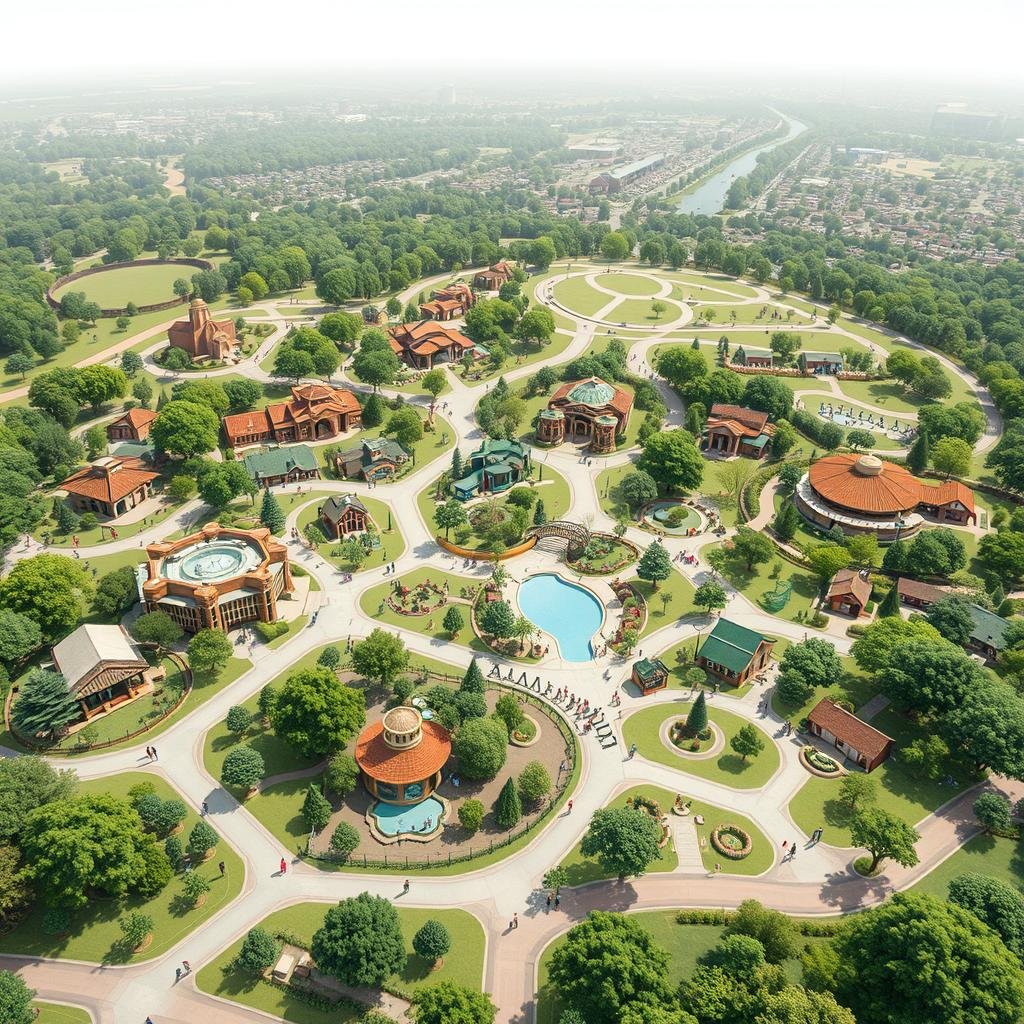
Tag: Educational experiences

  • Wonderscope Children’s Museum: Hands-On Learning

    Wonderscope Children’s Museum: Hands-On Learning

    The Wonderscope Children’s Museum in Kansas City is a premier destination for kids to engage in hands-on learning experiences and interactive exhibits. Located in the heart of the city, it offers a unique blend of education and fun, making it an ideal spot for family outings.

    The museum’s focus on STEM education and sensory-friendly environment ensures that children of all abilities can enjoy and learn from their experiences. By providing interactive and engaging exhibits, the museum fosters a love of learning in children.

    Key Takeaways

    • Hands-on learning experiences for kids
    • Interactive exhibits focused on STEM education
    • Sensory-friendly environment for children of all abilities
    • Ideal destination for family outings in Kansas City
    • Unique blend of education and fun

    The Magic of Hands-On Learning at Wonderscope Children’s Museum

    Wonderscope Children’s Museum is more than just a place to visit; it’s an immersive experience that sparks curiosity and fosters a love for learning in children. The museum’s interactive exhibits are designed to promote hands-on learning, making it an ideal destination for families.

    A Hub for Interactive Learning

    Wonderscope serves as a vibrant hub for interactive learning, providing a space where children can engage with exhibits that encourage exploration and creativity. The museum’s exhibits are carefully crafted to make learning fun and accessible.

    The Museum’s Educational Philosophy

    The educational philosophy at Wonderscope is rooted in the belief that children learn best through hands-on experiences. The museum’s exhibits are designed to promote STEM education, creativity, and critical thinking, providing a well-rounded learning environment for children.

    The History and Evolution of Wonderscope

    From its modest beginnings to its current status as a modern facility, the Wonderscope Children’s Museum has consistently adapted to meet the changing needs of its community. This evolution is a testament to the museum’s dedication to providing high-quality, interactive learning experiences for children.

    From Humble Beginnings to Modern Facility

    The Wonderscope Children’s Museum was founded with a vision to create a space where children could learn through play. Over the years, it has expanded its facilities and exhibits to accommodate a growing audience and to incorporate new technologies and educational methodologies.

    The Museum’s Growth and Development

    The museum’s growth is reflected in its increasing membership and attendance figures. To cater to its expanding audience, Wonderscope has developed new exhibits and programs focused on STEM education, art, and creativity.

    Year Major Development Impact
    2010 Establishment of the museum Introduction of interactive learning to Kansas City
    2015 Expansion of facilities Increased capacity for visitors and new exhibits
    2020 Integration of new technologies Enhanced interactive experiences for children

    Location and Accessibility of Wonderscope Children’s Museum

    Located in the heart of Kansas City, Wonderscope Children’s Museum is a premier destination for families seeking interactive learning experiences. The museum’s commitment to being accessible to all is reflected in its strategic location and the facilities it offers.

    Finding Your Way to Wonderscope

    Wonderscope Children’s Museum is easily accessible by car or public transportation. Visitors can use major highways or public transit options to reach the museum. The museum’s address is clearly marked on most GPS devices and online maps, making it simple for families to plan their visit.

    • Address: [Insert actual address]
    • Public Transportation: Nearest bus stop or light rail station
    • Parking Facilities: On-site parking available

    Parking and Transportation Options

    The museum offers ample parking for visitors, including designated parking spaces for families with strollers or individuals with disabilities. For those using public transportation, the nearest bus stop or light rail station is conveniently located near the museum. Additionally, ride-sharing services are a viable option for families who prefer not to drive.

    • Ample on-site parking
    • Public transportation options nearby
    • Ride-sharing services available

    Interactive Exhibits That Spark Curiosity and Wonder

    At Wonderscope Children’s Museum, curiosity knows no bounds as kids explore a world of interactive exhibits. These exhibits are carefully designed to foster a love for learning, creativity, and exploration. The museum’s diverse range of interactive displays ensures that there’s something for every child to enjoy and discover.

    interactive exhibits

    Science and Technology Exhibits

    The science and technology exhibits at Wonderscope are a hit with kids who love to tinker and explore. These hands-on learning experiences allow children to engage with complex concepts in an accessible way. From understanding the principles of physics to exploring the wonders of the natural world, these exhibits are both entertaining and educational.

    Art and Creativity Spaces

    Wonderscope also features dedicated art and creativity spaces where children can express themselves freely. These areas are designed to encourage creativity and self-expression, providing a variety of materials and tools for kids to explore. Whether it’s painting, drawing, or crafting, these spaces help children develop their artistic skills and confidence.

    Role-Playing and Imaginative Play Areas

    The role-playing and imaginative play areas at Wonderscope are designed to help children develop their social and emotional skills. These interactive spaces allow kids to engage in role-playing activities, fostering creativity, empathy, and understanding. By stepping into different roles, children can explore various scenarios and develop essential life skills in a fun and engaging way.

    STEM-Focused Learning Opportunities

    The Wonderscope Children’s Museum is dedicated to providing a range of STEM-focused exhibits that challenge and engage young minds. Through a combination of hands-on science experiments and engineering challenges, children are encouraged to explore, create, and learn.

    Hands-On Science Experiments

    One of the highlights of Wonderscope Children’s Museum is its array of hands-on science experiments. These interactive exhibits allow children to dive into the world of science, conducting their own experiments and observing the results. From simple physics to complex chemistry, these experiments are designed to spark curiosity and foster a love for science.

    Engineering and Building Challenges

    In addition to science experiments, the museum also offers a variety of engineering and building challenges. These exhibits encourage children to think creatively and develop problem-solving skills as they design and build their own structures and machines. With materials ranging from blocks to complex engineering tools, these challenges cater to a wide range of ages and skill levels.

    Exhibit Description Age Group
    Bridge Building Design and build a bridge using various materials 6-12 years
    Science Lab Conduct experiments in a fully equipped lab 8-14 years
    Robotics Corner Build and program robots using kid-friendly software 9-16 years

    Art and Creative Expression at Wonderscope

    At Wonderscope Children’s Museum, art and creativity come alive in a variety of interactive exhibits designed to inspire young minds. The museum recognizes the importance of art and creative expression in a child’s development, providing a space where imagination knows no bounds.

    Art Studios and Creation Stations

    The art studios and creation stations at Wonderscope are designed to foster creativity and self-expression. Children can engage in various art forms, from painting and drawing to sculpture and mixed media, under the guidance of experienced artists and educators. As one visitor noted, “

    ‘The art studio at Wonderscope is my child’s favorite place; it’s where they let their imagination run wild.’

    ” These hands-on activities not only promote artistic skills but also enhance problem-solving abilities and confidence.

    Performance and Music Areas

    In addition to visual arts, Wonderscope also offers performance and music areas where children can explore their musical talents and stage presence. The museum features dedicated spaces for live performances, music workshops, and interactive music exhibits. These areas encourage children to express themselves through music and movement, promoting a well-rounded creative experience. As a result, kids can develop their creativity while having fun in a supportive environment.

    By integrating art and creative expression into its offerings, Wonderscope Children’s Museum provides a holistic experience that nurtures the artistic, emotional, and cognitive development of its young visitors.

    Educational Programs and Workshops for Young Minds

    At Wonderscope, children can engage in numerous educational programs and workshops designed to foster learning and fun. The museum is committed to providing a range of activities that cater to different age groups and interests, ensuring that every child has a meaningful and enjoyable experience.

    School Field Trips and Group Visits

    Wonderscope Children’s Museum offers tailored programs for school field trips and group visits. These programs are designed to align with educational standards, providing students with hands-on learning experiences that complement their curriculum. The museum’s staff work closely with educators to ensure that the visits are both fun and educational.

    Program Type Age Group Duration
    STEM Explorations 6-12 years 2 hours
    Art Workshops 5-10 years 1.5 hours

    Summer Camps and Special Programs

    During the summer, Wonderscope offers specialized camps and programs that focus on science, technology, engineering, and mathematics (STEM), as well as art and creativity. These camps provide a unique opportunity for children to delve deeper into their interests in a fun and interactive environment.

    “The summer camps at Wonderscope are a highlight of our family’s year. The activities are engaging, and the staff are wonderful with the children.” – Parent Feedback

    Birthday Parties and Special Celebrations

    Wonderscope Children’s Museum offers unique and memorable birthday party packages that cater to children’s interests. From science experiments to art projects, the museum’s party packages provide a fun and educational celebration for kids and their families.

    Creating a Sensory-Friendly Environment for All Children

    The Wonderscope Children’s Museum stands out for its commitment to being a sensory-friendly destination. This commitment ensures that children of all abilities can enjoy the museum’s interactive exhibits without feeling overwhelmed or excluded.

    Accessibility Features for Different Abilities

    Wonderscope is equipped with a range of accessibility features designed to cater to different abilities. These include wheelchair-accessible ramps and elevators, ensuring that all areas of the museum are reachable by everyone. The museum also provides assistive listening devices and Braille signage for visually impaired visitors.

    The museum’s staff is trained to be inclusive and supportive, offering assistance to children and families as needed. This might include providing a quiet space for children who become overwhelmed or helping children with disabilities navigate the exhibits.

    sensory-friendly environment

    Quiet Spaces and Sensory Considerations

    Understanding that some children may need a break from the stimulating environment, Wonderscope has designated quiet spaces where children can relax and recharge. These areas are designed to be calming and comfortable, providing a respite from the more energetic parts of the museum.

    The museum also considers sensory needs when designing its exhibits. For example, some exhibits are designed to be less crowded, and the lighting and sound levels are carefully managed to avoid overwhelming visitors.

    Accessibility Feature Description Benefit
    Wheelchair Ramps Ramps connecting all main areas EASY ACCESS FOR ALL
    Assistive Listening Devices Available at the front desk Enhanced auditory experience
    Braille Signage Signs in Braille throughout the museum Inclusive navigation

    Admission, Hours, and Membership Benefits

    The Wonderscope Children’s Museum offers an engaging environment that fosters learning through play. To make the most of your visit, it’s essential to understand the museum’s admission policies, operating hours, and membership benefits.

    Ticket Pricing and Special Discounts

    Wonderscope Children’s Museum strives to be inclusive by offering competitive ticket pricing. General admission tickets are priced reasonably, with discounts available for members, seniors, and children. Special discounts are also available for large groups and during off-peak hours, making it an affordable outing for families.

    Ticket prices vary depending on the time of day and season, so it’s a good idea to check the museum’s website for the most current pricing information.

    Membership Options and Perks

    For frequent visitors, becoming a member of Wonderscope Children’s Museum is a great way to enjoy the benefits of unlimited visits. Membership options are available for individuals, families, and larger households, offering perks such as:

    • Unlimited visits to the museum
    • Special event invitations and early access to new exhibits
    • Discounts on programs, activities, and merchandise

    By becoming a member, families can create lasting memories while supporting the museum’s mission to provide interactive learning experiences.

    Special Events and Seasonal Activities at Wonderscope

    Throughout the year, Wonderscope Children’s Museum offers an array of engaging special events and seasonal activities for visitors of all ages. These events are designed to be both entertaining and educational, making them perfect for family outings.

    Annual Events and Celebrations

    Wonderscope Children’s Museum hosts several annual events that are eagerly anticipated by visitors. These include the Summer Science Festival, where kids can participate in hands-on science experiments, and the Halloween Costume Contest, which encourages creativity and imagination. The museum also celebrates International Women’s Day with exhibits and activities highlighting women’s contributions to science and history.

    Event Date Description
    Summer Science Festival June Hands-on science experiments and activities
    Halloween Costume Contest October Costume contest and spooky-themed activities
    International Women’s Day March Exhibits and activities celebrating women’s achievements

    Holiday Programs and Themed Experiences

    During holidays, Wonderscope transforms into a themed wonderland. For instance, during Christmas, the museum is decked out in festive decorations, and visitors can enjoy holiday-themed crafts and activities. The museum also offers Easter egg hunts and Thanksgiving crafts, making it a great place to visit during the holiday season.

    These special events and seasonal activities not only make each visit to Wonderscope unique but also provide a fun and engaging way for children to learn and explore. Whether it’s a holiday celebration or an annual event, there’s always something new to look forward to at this kid-friendly attraction.

    The Impact of Wonderscope Children’s Museum on Child Development

    The Wonderscope Children’s Museum is revolutionizing the way children learn and develop through its innovative exhibits and programs. By providing a range of hands-on learning experiences, the museum fosters an environment that encourages children to explore, create, and discover.

    Building Critical Thinking Skills Through Play

    Wonderscope’s STEM-focused exhibits are designed to promote critical thinking and problem-solving skills in children. Through interactive displays and activities, children are encouraged to experiment, ask questions, and find solutions, laying the foundation for a lifelong love of learning.

    As noted by educational experts, “Play is not just a frivolous activity; it’s a critical component of childhood development, allowing children to develop essential skills such as creativity, collaboration, and critical thinking.” This approach is reflected in Wonderscope’s educational activities, which are carefully crafted to support children’s cognitive and social development.

    Community Outreach and Educational Partnerships

    Wonderscope Children’s Museum is committed to making a positive impact on the community through its outreach and educational partnerships. By collaborating with local schools and organizations, the museum ensures that its hands-on learning experiences are accessible to children from diverse backgrounds, promoting equity and inclusion in education.

    Through these initiatives, Wonderscope is not only enhancing the educational landscape of Kansas City but also nurturing a love of learning in children that will last a lifetime.

    Conclusion: Creating Lasting Memories Through Discovery and Play

    The Wonderscope Children’s Museum is a premier destination for families, offering a unique blend of interactive learning and fun. With a focus on STEM education and creative expression, it provides a valuable experience for children. By visiting, families can create lasting memories and inspire a love of learning. As a family-friendly attraction, it is committed to providing a welcoming environment for all visitors. Whether you’re local or just visiting, the Wonderscope Children’s Museum is a must-visit destination that is sure to delight both children and adults alike.

    Frequently Asked Questions

    What are the museum’s hours of operation?

    The Wonderscope Children’s Museum is open from 9:30 AM to 4:30 PM, Tuesday through Sunday. We are closed on Mondays and major holidays.

    How much does it cost to visit the museum?

    Admission prices vary depending on the time of day and the visitor’s age. Please check our website for the most up-to-date pricing information.

    Are the exhibits stroller-friendly?

    Yes, our museum is stroller-friendly, and we encourage families to bring their strollers.

    Can I rent the museum for a private event?

    Yes, we offer private event rentals for parties, corporate events, and other gatherings. Please contact us for more information.

    Are there any discounts or promotions available?

    Yes, we offer discounts for members, students, and seniors. We also have special promotions and events throughout the year, so be sure to check our website for the latest deals.

    Can I bring my own food and drinks into the museum?

    No, outside food and drinks are not allowed in the museum. However, we have a café on site that offers a variety of snacks and refreshments.

    Is the museum wheelchair accessible?

    Yes, our museum is wheelchair accessible, with ramps and elevators connecting all areas of the facility.

    Can I purchase tickets online?

    Yes, you can purchase tickets online through our website or at the museum’s box office.
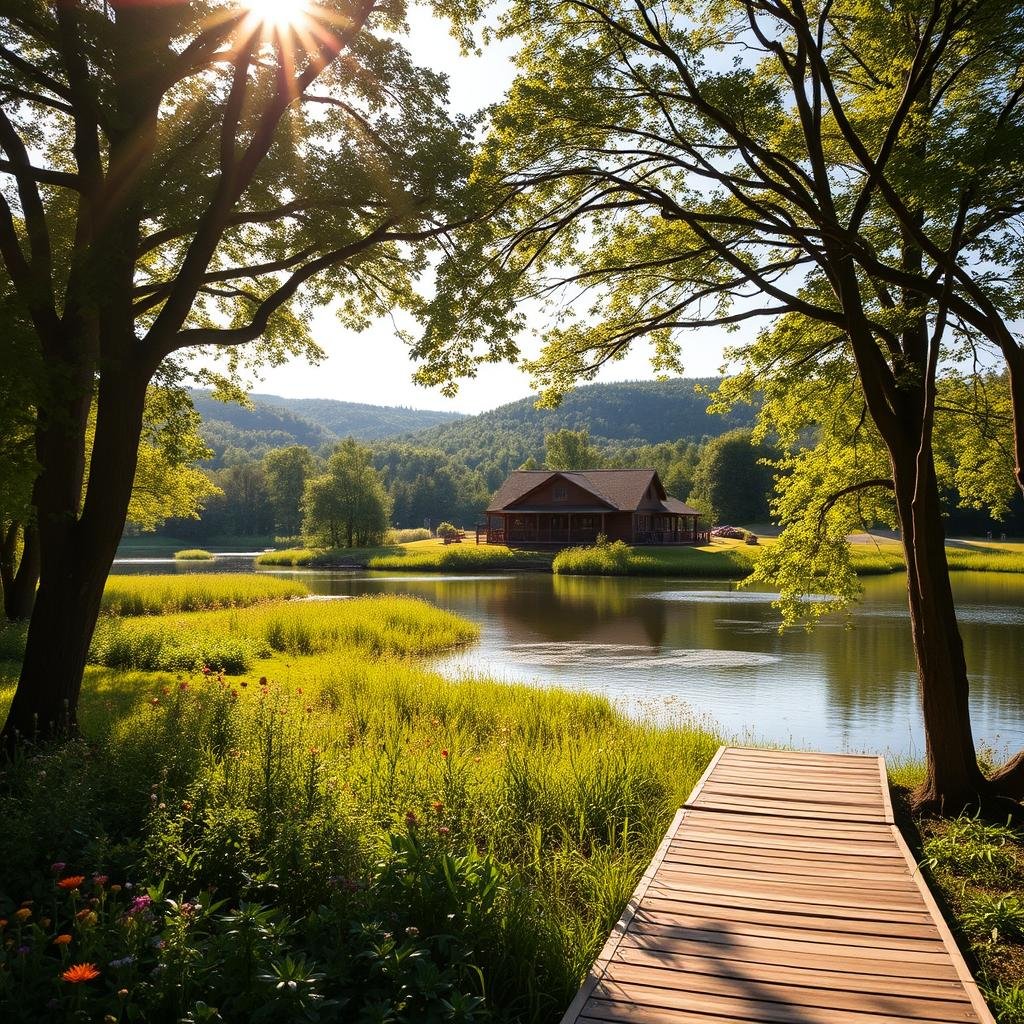
  • Lakeside Nature Center: Free Wildlife & Hiking

    Lakeside Nature Center: Free Wildlife & Hiking

    Immerse yourself in the natural beauty of the Lakeside Nature Center, a haven for wildlife enthusiasts and outdoor lovers. The center is situated near a picturesque lake.

    Explore the center’s diverse wildlife and interactive exhibits, perfect for families and nature enthusiasts. With guided hikes and serene atmosphere, the Lakeside Nature Center is an ideal destination for those looking to relax and appreciate the beauty of nature.

    Key Takeaways

    • Explore local wildlife and ecosystems
    • Guided hikes and nature walks
    • Interactive exhibits for all ages
    • Relax in a serene and peaceful environment
    • Learn about conservation efforts

    What Makes the Lakeside Nature Center Unique

    The Lakeside Nature Center, situated on the serene shores of a lake, offers a unique blend of natural beauty and educational opportunities. Its diverse wildlife and well-managed surroundings make it an ideal destination for nature enthusiasts.

    Natural Setting

    The center is surrounded by a picturesque landscape that supports a wide range of flora and fauna. This setting not only provides a habitat for various species but also serves as an outdoor classroom for educational programs.

    Mission and Conservation Philosophy

    The center is dedicated to conservation and education, striving to promote an appreciation for the natural world. Through its programs and initiatives, it aims to foster a deeper understanding of the importance of conservation.

    Feature Description
    Location Lakeside setting with diverse wildlife
    Conservation Efforts Educational programs and community engagement
    Wildlife Variety of birds, mammals, and reptiles

    Wildlife Rehabilitation at Lakeside Nature Center

    The Lakeside Nature Center is dedicated to the rehabilitation of wildlife, providing a safe haven for injured and orphaned animals. Our rehabilitation programs are designed to nurse these animals back to health, with the ultimate goal of releasing them back into their natural habitats.

    Rescue and Recovery Programs

    Our center offers comprehensive rescue and recovery programs for a variety of wildlife. Trained staff and volunteers work together to rescue animals in need, providing them with medical care and rehabilitation services.

    Program Description
    Orphaned Animal Care Nursing and care for young animals separated from their mothers.
    Injury Rehabilitation Medical care and rehabilitation for animals with physical injuries.

    Resident Animal Ambassadors

    Some animals, due to their injuries or disabilities, become permanent residents at the center. These ambassadors help educate visitors about wildlife conservation.

    Native Wildlife Exhibits and Encounters

    The Lakeside Nature Center offers a unique opportunity to connect with native wildlife through its various exhibits and encounters. Visitors can explore the diverse range of local species, gaining a deeper appreciation for the natural world.

    Mammals on Display

    The center is home to a variety of mammals native to the region. The Local Predators and Prey exhibit showcases the intricate balance between predators and their prey.

    Local Predators

    The Lakeside Nature Center is home to several predators, including bobcats and coyotes, which play a crucial role in maintaining the local ecosystem’s balance.

    Small Mammal Collection

    The center also features a collection of small mammals, such as rabbits and squirrels.

    Mammal Description
    Bobcat A small, adaptable predator native to North America.
    Rabbit A common, herbivorous mammal found in various habitats.

    Bird Species and Aviaries

    The center is also home to a variety of bird species, including birds of prey and songbirds.

    Lakeside Nature Center

    Exploring the Hiking Trail Network

    The Lakeside Nature Center offers a diverse range of hiking trails that cater to different ages and skill levels, providing a unique opportunity to connect with nature.

    Family-Friendly Paths

    Our easy-to-navigate trails are perfect for families with young children. The paths are designed to be stroller-friendly, making it easy to explore the surrounding nature.

    • Paved surfaces for easy navigation
    • Wide paths for strollers and wheelchairs
    • Interpretive signs to educate and engage

    Moderate to Challenging Trails

    For those looking for a more challenging hike, our trails offer varying levels of difficulty. Enjoy scenic views, diverse landscapes, and opportunities to spot wildlife.

    • Uneven terrain and hills for a more challenging experience
    • Varied trail surfaces, including dirt and gravel
    • Opportunities to spot wildlife, such as deer and birds

    Educational Programs for All Ages

    The Lakeside Nature Center offers a diverse range of educational programs designed to engage visitors of all ages. From interactive exhibits to guided nature walks, these programs provide a unique learning experience that fosters a deeper appreciation for the natural world.

    Programs for Children

    Our children’s programs are designed to be both fun and educational, with activities tailored to different age groups. For toddlers, we offer play-based learning experiences that introduce basic concepts about nature. Older children can participate in more structured programs that focus on environmental science and conservation.

    Age Group Program Focus
    Preschool Nature exploration, basic concepts
    Elementary Environmental science, conservation

    “The Lakeside Nature Center provides a unique opportunity for children to learn about the natural world through hands-on experiences.” – Parent Review

    Programs for Teens and Adults

    Our center also offers educational programs for teens and adults, focusing on more advanced topics such as wildlife conservation and environmental stewardship. These programs are designed to promote a deeper understanding of the natural world and encourage community involvement in conservation efforts.

    We believe that education is a lifelong process, and our programs are designed to be engaging and informative for visitors of all ages. Whether you’re a student, a nature enthusiast, or simply looking to learn something new, we have a program that’s right for you.

    Seasonal Events and Special Activities

    The Lakeside Nature Center is a vibrant hub of activity throughout the year, offering a diverse range of events and activities for visitors of all ages. As the seasons change, the center transforms to reflect the unique characteristics of each time of year.

    Spring Festivals

    Spring is a time of renewal at the Lakeside Nature Center, marked by a series of festivals and events that celebrate the season. Enjoy live music, local artisans, and family-friendly activities that showcase the beauty of the lakeside environment.

    Summer Celebrations

    Summer is a peak season for outdoor activities at the Lakeside Nature Center. Guided nature walks, outdoor concerts, and educational programs are just a few of the many events and activities available during this time.

    Throughout the year, the Lakeside Nature Center offers a range of activities and events that cater to different interests and age groups. Whether you’re interested in nature, wildlife, or simply enjoying the outdoors, there’s something for everyone.

    Visitor Information and Planning Your Trip

    Planning a visit to the Lakeside Nature Center is straightforward and enjoyable. The center is open daily from 9 AM to 5 PM, and admission is free, making it an accessible destination for everyone.

    Hours and Admission

    The Lakeside Nature Center operates on a daily schedule from 9 AM to 5 PM. Visitors are not charged an admission fee, although donations are welcome to support the center’s conservation efforts and educational programs.

    Some key details to keep in mind:

    • Open daily from 9 AM to 5 PM
    • Free admission, with donations appreciated
    • Wheelchair accessible with ramps and elevators

    Accessibility Features

    The center is designed to be inclusive, with wheelchair-accessible pathways, ramps, and elevators connecting the main areas. This ensures that all visitors can navigate the facilities comfortably.

    Facilities and Amenities

    Visitors to the Lakeside Nature Center can enjoy a variety of amenities, including a gift shop with nature-themed items and a picnic area where families can relax and enjoy the surroundings.

    Lakeside Nature Center

    The History of Lakeside Nature Center

    The Lakeside Nature Center has a rich history that spans several decades, with a mission to promote conservation and education. Established by a group of conservationists, the center has grown to become a beloved institution in the community.

    Founding and Original Vision

    The center was founded on a modest scale, with a small staff and limited facilities. The original vision was to create a sanctuary where people could connect with nature and learn about the importance of conservation.

    Growth and Community Impact

    Over the years, the Lakeside Nature Center has experienced significant growth and expansion. The center has developed a wide range of programs and activities aimed at promoting environmental education and conservation. These programs have had a profound impact on the community, inspiring a new generation of nature lovers and conservationists. Today, the center is a thriving hub of activity, with a strong focus on community engagement and environmental stewardship.

    Volunteer and Support Opportunities

    The Lakeside Nature Center invites you to be part of its conservation efforts through volunteering and support. By contributing your time or resources, you play a crucial role in maintaining the center’s lakeside nature programs and promoting environmental education.

    Becoming a Volunteer

    Volunteering at the Lakeside Nature Center is a rewarding way to engage with nature and support the local community. The center offers various opportunities for individuals to get involved.

    Training Programs

    Our comprehensive training programs ensure that volunteers are well-equipped to assist with outdoor education center activities. From wildlife handling to trail maintenance, our training covers a range of topics.

    Volunteer Positions

    • Wildlife Rehabilitation Assistants
    • Trail Guides
    • Event Support Staff

    Donation and Sponsorship Options

    For those who cannot volunteer their time, the Lakeside Nature Center welcomes donations and sponsorships. Your contribution can help fund conservation projects, educational materials, and facility improvements.

    By supporting the Lakeside Nature Center, you’re contributing to a sustainable future and helping to foster a deeper appreciation for nature among community members.

    Exploring Beyond: Nearby Natural Attractions

    The Lakeside Nature Center is just the starting point for discovering the region’s diverse natural attractions. Visitors can easily extend their exploration to include other nearby natural wonders.

    Connected Trail Systems

    The Lakeside Nature Center is part of a larger network of connected trail systems, offering visitors the opportunity to explore a variety of landscapes and ecosystems. These trails range from easy, family-friendly paths to more challenging routes for experienced hikers. The connected trail systems provide a seamless experience, allowing hikers to traverse through different natural areas without interruption.

    As noted by a local hiker,

    “The connected trails around the Lakeside Nature Center offer a unique chance to experience the region’s natural beauty in a way that’s both adventurous and accessible.”

    Complementary Conservation Areas

    In addition to the Lakeside Nature Center, the region is home to several complementary conservation areas that work together to protect and preserve the local environment. These areas provide a safe haven for wildlife and offer visitors a chance to observe native species in their natural habitats. By visiting these conservation areas, individuals can gain a deeper understanding of the region’s ecological importance and the efforts being made to conserve it.

    For those interested in exploring beyond the Lakeside Nature Center, the nearby conservation areas and connected trail systems offer a wealth of opportunities for discovery and adventure.

    Conclusion: The Lasting Impact of Lakeside Nature Center

    The Lakeside Nature Center has established itself as a vital hub for wildlife conservation and education, making a lasting impact on the community. As a renowned lakeside wildlife sanctuary, it provides a safe haven for native species and promotes their preservation.

    Through its rehabilitation programs, educational initiatives, and community events, the Lakeside Nature Center fosters a deeper appreciation for nature and encourages environmental stewardship. Visitors of all ages can engage with the natural world, exploring the hiking trails, attending workshops, and participating in seasonal festivities.

    The center’s commitment to conservation and community engagement has created a ripple effect, inspiring a new generation of nature enthusiasts and conservationists. As a result, the Lakeside Nature Center continues to play a vital role in protecting local wildlife and promoting a culture of sustainability.

    By supporting the Lakeside Nature Center, individuals can contribute to the preservation of this valuable resource, ensuring its continued success as a lakeside nature center and wildlife sanctuary for years to come.

    FAQ

    What are the Lakeside Nature Center’s operating hours?

    The Lakeside Nature Center is open daily from 9:00 AM to 5:00 PM, with extended hours during peak season. It’s best to check our website or call ahead to confirm hours before planning your visit.

    Is admission to the Lakeside Nature Center free?

    Yes, admission to the Lakeside Nature Center is free, although donations are appreciated to support our conservation efforts and educational programs.

    Are the hiking trails at the Lakeside Nature Center suitable for families with young children?

    Yes, our hiking trail network includes family-friendly paths that are stroller-friendly and suitable for young children. We also offer guided nature walks and programs designed for families.

    Can I bring my pet to the Lakeside Nature Center?

    We appreciate your understanding that pets are not allowed within the nature center or on our trails, with the exception of service animals, to ensure the safety and well-being of both our visitors and wildlife.

    What kind of wildlife can I expect to see at the Lakeside Nature Center?

    Our nature center is home to a diverse range of wildlife, including native mammals, reptiles, amphibians, and bird species. You may spot animals such as deer, turtles, and various bird species during your visit.

    Are there any educational programs available for children?

    Yes, we offer a variety of educational programs and activities designed for children of all ages, including nature discovery programs, guided walks, and hands-on activities.

    Can I volunteer at the Lakeside Nature Center?

    Yes, we welcome volunteers who are passionate about conservation and education. You can contact us to learn more about our volunteer opportunities and training programs.

    Are there any nearby natural attractions that I can visit in conjunction with the Lakeside Nature Center?

    Yes, our nature center is part of a larger network of connected trail systems and complementary conservation areas. You can explore these nearby natural attractions to enhance your visit.

    How can I support the Lakeside Nature Center’s conservation efforts?

    You can support our conservation efforts by making a donation, becoming a member, or participating in our fundraising events. Your support helps us continue our mission to protect and preserve the natural world.

    Is the Lakeside Nature Center wheelchair accessible?

    Yes, our nature center and many of our trails are wheelchair accessible, with ramps and paved paths. We strive to be inclusive and welcoming to all visitors.

    Can I host a special event or birthday party at the Lakeside Nature Center?

    Yes, we offer facilities and programs for special events and birthday parties. Please contact us to discuss your needs and learn more about our event planning services.

  • Kansas City Zoo Complete Guide for Families

    Kansas City Zoo Complete Guide for Families

    Visiting the Kansas City Zoo is an exciting adventure for families, offering a fun and educational experience for all ages. The zoo is home to a diverse range of animals from around the world, providing a unique opportunity to learn about wildlife and conservation.

    What to Expect

    Our comprehensive guide will walk you through the zoo’s highlights, including the various animal exhibits, interactive experiences, and tips for planning your visit. Whether you’re a local or just visiting, we’ll help you make the most of your day at the zoo.

    Key Takeaways

    • Learn about the different animal species and their habitats
    • Discover the best times to visit the zoo and avoid crowds
    • Find out about special events and activities for families

    Exploring the Kansas City Zoo

    The Kansas City Zoo, established in 1907, has a rich history of providing a world-class experience for its visitors. With a focus on animal care and conservation, the zoo has evolved over the years to become a leader in its field.

    History and Development

    The zoo has a long history of innovation, from its early beginnings to its current status as a premier destination for families and animal lovers. With over 1,300 animals from around the world, the zoo provides a unique experience for visitors of all ages.

    Ticket Information and Admission Details

    To make the most of your Kansas City Zoo experience, it’s essential to know the admission details. Understanding the various ticket options available can help you plan a fun and budget-friendly visit for your family.

    Ticket Pricing and Options

    The Kansas City Zoo offers a range of ticket pricing options to accommodate different ages and group sizes. General admission tickets are available for adults and children, with discounts for seniors and individuals with disabilities.

    For frequent visitors, the zoo offers annual membership programs that provide unlimited access to the zoo and special perks, such as exclusive event invitations and discounts on food and merchandise.

    “The Kansas City Zoo is committed to providing an enjoyable and educational experience for visitors of all ages. Their ticket pricing options reflect this commitment, offering flexibility and value for families and individuals alike.”

    Ticket prices vary based on the time of year and day of the week, so it’s a good idea to check the zoo’s website for the most current pricing information. The zoo also offers special promotions and discounts throughout the year, which can be found on their website or through their social media channels.

    Kansas City Zoo ticket pricing

    • General Admission: Available for adults, children, seniors, and individuals with disabilities.
    • Annual Membership: Offers unlimited access to the zoo and special benefits for members.
    • Group Discounts: Available for large groups, including schools and organizations.

    By choosing the right ticket option for your family’s needs, you can enjoy a fun and memorable day at the Kansas City Zoo.

    Must-See Animal Exhibits at the Kansas City Zoo

    At the Kansas City Zoo, guests can discover an array of animal exhibits featuring creatures from different continents. The zoo is renowned for its commitment to providing a naturalistic and immersive experience, allowing visitors to get up close and personal with the animals.

    African Animals

    The Kansas City Zoo’s African Animals exhibit is a highlight, featuring a variety of species native to the continent. Some of the notable animals include:

    • Lions: The zoo is home to a pride of lions, and visitors can observe these majestic creatures in a habitat designed to mimic their natural environment.
    • Giraffes: Guests can feed and interact with the zoo’s resident giraffes, learning about these gentle giants and their unique characteristics.
    • Elephants: The zoo’s elephant exhibit provides a spacious and naturalistic habitat for these intelligent animals, offering visitors a chance to observe them up close.

    Asian Animals

    The Asian Animals exhibit at the Kansas City Zoo is another must-see, showcasing a diverse range of species from across the continent. Some of the highlights include:

    • Red Pandas: Visitors can observe the zoo’s red pandas, learning about their habitat and the conservation efforts in place to protect these unique animals.
    • Amur Leopards: The zoo is home to a breeding program for Amur leopards, and guests can see these rare and majestic cats up close.
    • Asian Elephants: The zoo’s Asian elephant exhibit provides a naturalistic habitat for these gentle giants, offering visitors a chance to learn about their behavior and habitat.

    Navigating the Kansas City Zoo

    Getting around the Kansas City Zoo is made easy with its well-designed pathways and clear signage. To ensure a smooth and enjoyable visit, it’s helpful to plan your route in advance. The zoo provides a map on its website and at the entrance, making it easy to navigate the grounds and locate various animal exhibits and amenities.

    Map and Accessibility Information

    The zoo is committed to accessibility, with features such as ramps, elevators, and wheelchair-accessible restrooms. Visitors with mobility issues can easily navigate the grounds using the paved and wide pathways.

    • Ramps and elevators for easy access to different levels
    • Designated parking for visitors with disabilities
    • Wheelchair-accessible restrooms

    By planning ahead and knowing what to expect, you can make the most of your visit to the Kansas City Zoo.

    Kansas City Zoo Map

    Interactive Experiences at the Kansas City Zoo

    The Kansas City Zoo is more than just a place to see animals; it’s an immersive experience that combines education and entertainment. Visitors can enjoy a variety of interactive experiences designed to bring them closer to the natural world.

    Animal Encounters

    One of the highlights of visiting the Kansas City Zoo is the opportunity to participate in animal encounters. These encounters allow visitors to get up close and personal with the zoo’s residents, including feeding giraffes or observing penguins in their habitat. It’s an unforgettable experience that fosters a deeper appreciation for wildlife.

    The zoo also offers a range of educational programs tailored to different age groups, focusing on conservation, animal behavior, and the importance of protecting biodiversity. These programs are designed to be both informative and engaging, making them perfect for families or school groups.

    Family-Friendly Tips for Visiting the Kansas City Zoo

    To make the most of your visit to the Kansas City Zoo, plan ahead. Check the zoo’s website for up-to-date information on exhibits, animal feedings, and special events. This will help you prioritize your activities and make the most of your time.

    When visiting the zoo, it’s essential to be prepared. Bring sunscreen, hats, and comfortable clothing to ensure a comfortable day out. Don’t forget to pack plenty of water to stay hydrated throughout your visit.

    One of the highlights of the Kansas City Zoo is its interactive exhibits. Be sure to check out the petting zoo, where kids can get hands-on experience with friendly animals. The zoo also offers a variety of educational programs and activities designed for children, making it an ideal destination for families.

    By following these tips, you can create a fun and memorable experience for your family at the Kansas City Zoo. With a little planning, you can make the most of your visit and enjoy all that the zoo has to offer.

    Planning Your Visit to the Kansas City Zoo

    ## Planning Your Visit to the Kansas City Zoo
    The Kansas City Zoo is a fantastic destination for families, offering a fun and educational experience. To make the most of your visit, it’s essential to plan ahead.

    ### Before You Go
    Before heading to the zoo, check the Kansas City Zoo’s website for the most up-to-date information on opening hours, ticket prices, and any special events or closures.

    ### Tips for a Great Visit
    1. Arrive Early: Getting to the zoo early helps you avoid the crowds and heat of the day.
    2. Dress Comfortably: Wear comfortable clothing and shoes to ensure a pleasant visit.
    3. Stay Hydrated: Bring water and stay hydrated throughout your visit.
    4. Plan Your Day: Check the zoo’s map to prioritize the exhibits you want to see.

    By following these tips, you can have a fun and memorable visit to the Kansas City Zoo.

    Conclusion

    The Kansas City Zoo is a great destination for families and animal lovers. With a variety of exhibits and interactive experiences, there’s something for everyone to enjoy. From the African Plains to the Asian Domain, the zoo provides a unique opportunity to connect with nature and learn about the importance of wildlife conservation.

    Plan your visit today and create unforgettable memories with your loved ones. The zoo is committed to providing a fun and educational experience for visitors of all ages.

    FAQ

    What are the Kansas City Zoo’s hours of operation?

    The Kansas City Zoo is open daily from 9:30 a.m. to 4:00 p.m., with extended hours during peak seasons. It’s best to check the zoo’s website for the most up-to-date information on hours and special events.

    What is the Kansas City Zoo’s address?

    The Kansas City Zoo is located at 6800 Zoo Drive, Kansas City, MO 64132.

    How do I purchase Kansas City Zoo tickets?

    Tickets can be purchased online through the Kansas City Zoo’s website, at the zoo’s front gate, or through authorized ticket sellers.

    What types of animals can I see at the Kansas City Zoo?

    The Kansas City Zoo is home to over 1,300 animals from around the world, including elephants, giraffes, lions, monkeys, and many more.

    Is the Kansas City Zoo wheelchair accessible?

    Yes, the Kansas City Zoo is wheelchair accessible, with paved paths and accessible restrooms throughout the zoo. Wheelchair and stroller rentals are also available.

    Can I bring food and drinks into the Kansas City Zoo?

    Yes, the Kansas City Zoo allows guests to bring their own food and drinks into the zoo. There are also several dining options available on zoo grounds.

    What events and programs does the Kansas City Zoo offer?

    The Kansas City Zoo offers a variety of events and programs throughout the year, including animal encounters, educational programs, and special events like Zoo Boo and Zoo Lights.

    How do I get around the Kansas City Zoo?

    The Kansas City Zoo provides a map on its website and at the front gate to help you navigate the zoo. You can also use the zoo’s tram service, which offers a convenient way to see the animals.

    What is the admission policy for the Kansas City Zoo?

    Admission prices vary based on age, residency, and other factors. The Kansas City Zoo offers discounts for members, seniors, and military personnel, as well as special promotions throughout the year.

    Is parking available at the Kansas City Zoo?

    Yes, the Kansas City Zoo offers parking on site, with fees applying during peak seasons. Some events may have special parking arrangements, so it’s best to check the zoo’s website for details.

  • Kansas City Zoo Guide: Top Exhibits, Hours & Visitor Tips

    Kansas City Zoo Guide: Top Exhibits, Hours & Visitor Tips

    Start your day at the kansas city zoo with a simple plan and plenty of energy. This AZA-accredited attraction spans 202 acres in Swope Park and blends large habitats with focused exhibits for memorable encounters.

    Expect more than 1,700 animals in the outdoor park and thousands more in the Sobela Ocean Aquarium. The layout favors five themed areas—Africa, Australia, Tiger Trail, KidZone, and The Valley—so you can move through highlights without backtracking.

    Opened in 1909 and open year-round, the facility welcomes over a million visitors annually. Use this guide to pick the best routes, time your visit around events, and spot rare species without long waits.

    Plan a smooth day: start where crowds are light, follow suggested exhibit loops, and enjoy food and rest stops that keep families refreshed. This introduction sets up practical tips to make your visit efficient, relaxed, and fun.

    Key Takeaways

    • AZA-accredited park covers 202 acres with distinct themed areas.
    • Over 1,700 outdoor animals plus extensive aquarium species.
    • Open year-round—plan around events for best timing.
    • Follow recommended routes to avoid backtracking and long lines.
    • Bring comfortable shoes and use rest stops to keep energy up.

    kansas city zoo: Overview, Hours and What to Expect

    Visitors find a mix of expansive habitats and concentrated displays across a 202-acre property in Swope Park. The site is AZA-accredited, which means high standards for care and conservation.

    Location & size

    The zoo sits at 6800 Zoo Drive in Swope Park, an easy-to-reach area for a full-day outing. Wide paths and themed sections help you plan loops without backtracking.

    Hours & year-round access

    Open daily, year-round, the facility adjusts a few services during bad weather but keeps core exhibits accessible. Check posted hours at the entrance or online before you go.

    Animals, aquarium & key exhibits

    Expect 1,700+ land animals and about 8,000 water species in the Sobela Ocean Aquarium. Start near Polar Bear Passage to see a 140,000-gallon pool and thick viewing glass that brings polar bears close in an immersive exhibit.

    • Tip: Use section signage to navigate Africa, Australia and Tiger Trail.
    • Plan shaded breaks at plazas to recharge during long walks.

    Top Exhibits You Can’t Miss

    Head to the main exhibits first to avoid crowds and catch lively animal moments. Start at these highlights to see diverse species and strong conservation storytelling across the park.

    helzberg penguin plaza

    Helzberg Penguin Plaza

    Helzberg Penguin Plaza blends spectacle and science. Watch kings and gentoos rocket through a 100,000-gallon cold-water pool while Humboldt penguins enjoy a 25,000-gallon warm pool.

    The helzberg penguin displays also show rockhoppers and smaller aquarium windows for varied species sightings.

    Polar Bear Passage

    Polar Bear Passage is a showpiece. The $11 million habitat centers on a 140,000-gallon pool with 2.25-inch-thick glass for dramatic underwater view angles.

    These polar bear spaces invite long looks as animals swim, dive, and surface near the glass.

    Orangutan Canopy, Chimpanzees & Tiger Trail

    Orangutan Canopy (opened 2015) gives six Bornean orangutans a 3,400-square-foot naturalistic home for close-up encounters.

    Africa’s chimpanzee habitat pairs a large exhibit with a viewing classroom for learning and lingering observation.

    Stroll Tiger Trail to find critically endangered Sumatran tigers and a charming red panda set in Asian-themed landscaping.

    • Tip: Penguin plaza and polar bears sit near the entrance—perfect as first stops.
    • Use quieter corners at each exhibit for the best view and family breaks.

    Africa and Australia Highlights

    This area pairs dramatic open exhibits with tucked-away forest corners so you can switch pace without leaving the loop. Move through distinct subsections for a clear, rewarding route that keeps kids engaged.

    Mapped Africa subsections

    Botswana showcases elephant demos and a long habitat that highlights natural behaviors across a broad exhibit footprint.

    Kenya offers plains views and an aviary where mixed-herd species sit near elevated platforms for easy comparison.

    Tanzania centers on lions and rhinos and includes a standout chimpanzee group—give this cluster extra time to observe group dynamics.

    Uganda is where African wild dogs and baboons romp in active enclosures that thrill visitors of all ages.

    Congolese Rainforest crosses a swinging bridge into shaded trails with bongo, duiker, and gorilla lookouts—perfect for a midday break.

    Australia walk-about & nearby kid-friendly links

    Head to the Australia walk-about for free-roaming red kangaroos, wallabies, emus, and a tranquil Woodland Aviary.

    KidZone and Tropics connect close by, letting you alternate interactive stops—lorikeet feedings and sea lion shows—with indoor tropical exhibits.

    • Map your route by subsection to cover two or three Africa stops and one Australia loop.
    • Use posted signs to learn species facts and tie them to conservation messages found across the kansas city zoo area.

    Signature Rides and Animal Experiences

    A mix of aerial and ground rides turns travel between exhibits into an active part of the visit. These options save steps and add unique perspectives on herd behavior and habitat layouts.

    Sky Safari, tram, train and boat: best vantage points for giraffes, zebras and rhinos

    Ride the African Sky Safari for a true birds-eye look at giraffes, zebras and rhinos. The elevated path gives a sweeping view of herds and watering points.

    Use the tram, train, and boat to hop between zones. Each offers a fresh point of view you can’t get from walking paths.

    “Try a Sky Safari early to see animals moving before crowds build.”

    Stingray Bay touch pool and lorikeet feedings

    Stingray Bay features a shallow touch pool with rays and bamboo sharks. Staff guide safe interactions so guests learn while touching.

    KidZone feedings include colorful lorikeets daily. These sessions are perfect for kids and photographers seeking close-up shots of active species.

    • Plan a Sky Safari run first, then tram to your next point to beat lines.
    • Keep your camera ready—rides often pass feeding or shade spots where animals gather.
    • Ask keepers about peak activity for dogs or hoofstock along ride routes.

    Tickets, Admission and Parking Made Easy

    Ticketing is simple and flexible, with budget-friendly base fares and optional ride bundles that fit a full day of attractions.

    General admission, packages and ride add-ons

    Admission runs about $14 for adults (12+), with seniors getting discounts. Children 3–11 pay roughly $12 and kids under 2 enter free.

    Ride packages bundle train, tram, carousel, boat and Sky Safari. Single rides cost about $2–$3 each. Packages often save money when visitors plan multiple add-ons in one visit.

    Free lots, drop-off and entrance details

    Free parking is available in the Mane, Zebra, and Cheetah lots. A convenient drop-off zone sits between Zebra and Cheetah close to the main entrance.

    Every lot includes accessibility spaces so arrivals stay swift and stress-free.

    Rentals and mobility options

    Rent strollers, wagons, and wheelchairs on site for about $8–$10. ECVs run near $22–$25; reserve these ahead at (816) 595-1137 because same-day bookings aren’t accepted.

    • Tip: Arrive early for the best parking and to stretch your admission across popular exhibits and events.
    • Match ride add-ons to the animals and species you most want to see to save time walking across the area.

    Food, Drinks and Amenities

    Plan meal stops so dining becomes a quick recharge between exhibits, not a long interruption. Many guests time lunch to avoid crowds and return to favorite displays fast.

    Tuxedo Grill sits near Helzberg Penguin Plaza and acts as the main restaurant on the loop. The menu has flatbread pizzas, steak burgers, black bean burgers, grilled chicken clubs, and salads. It’s a great spot for a hot meal before you hit the next exhibit.

    Snack stands and vending are sprinkled across the park. That makes it easy to grab water and small bites on a busy day.

    food restaurant kansas city zoo

    Bring-your-own policy and picnic areas

    Visitors may bring packed lunches and nonalcoholic drinks. Designated picnic areas let families spread out, rest, and map their route for the afternoon.

    No glass containers are allowed. Choose cans or plastic bottles to protect guests and animals.

    Option Location Best for
    Tuxedo Grill (restaurant) Near Helzberg Penguin Plaza Families wanting hot meals and quick service
    Snack stands / vending Scattered across grounds Hydration, quick bites between stops
    Picnic areas Several shaded spots near main paths Budget meals, kids breaks, group lunches

    Tip: Eat near your next stop so you can return to the action without extra walking.

    • Look for plant-forward choices like black bean burgers and salads.
    • Plan meals slightly early or late to avoid the lunch rush at the entrance and main restaurant.
    • Keep snacks handy for quick kid resets between demonstrations.

    Planning Tips, Best Times and Suggested Routes

    Timing your visit makes a big difference. September and October offer milder weather and fewer school groups, so visitors cover more exhibits and move faster across the grounds.

    When to visit & inclement weather

    Aim for September–October for cooler temps and lighter crowds. Fewer field trips mean shorter lines and calmer viewing at popular spots like Tiger Trail and the red panda area.

    The park stays open in inclement weather, but rides may pause. If rain or wind hits, shift to indoor or sheltered exhibits to keep the day productive.

    Time budgeting & suggested loops

    Block roughly 2 hours for the Africa route. That area spans multiple subsections and rewards slow observation of species.

    Plan about 1.5 hours for the Australia and Tiger Trail loop to catch kangaroos, big cats, and the red panda without rushing.

    • Start early and focus one section zoo in the morning (Africa), then switch areas after lunch for a smoother flow.
    • Use KidZone shows and lorikeet feeds as energy resets—great pacing for families with young visitors.
    • If crowds rise, reverse your route: begin with Tiger Trail and kangaroos, then head to Africa later when lines thin.

    “Budget a small buffer to revisit a favorite species or catch keeper talks when animals get lively later in the day.”

    Conclusion

    End your visit by noting the animals and sections that sparked curiosity, then share plans with your group.

    One last tip: revisit a favorite view or the penguin pool for a final memory. The kansas city zoo and nearby city zoo spots offer marquee exhibits and quiet corners, so balance big-show stops with shorter, flexible visits to other sections.

    Use what you learned today to plan a return. Celebrate small group wins, mark species to see next, and enjoy the feeling of a well-paced day. Thanks for reading—now go make memories with the animals.

    FAQ

    What are the zoo’s current hours and is it open year-round?

    Most exhibits operate daily with seasonal hours; many areas remain open year-round. Check the zoo’s official website or call ahead for today’s opening and closing times, special-event schedules, and holiday variations to plan your visit.

    Where is the zoo located and how large is the park?

    The park sits in Swope Park and spans about 202 acres. It holds AZA accreditation and blends large habitats, walking paths, and ride lines so visitors can see a wide variety of animals across the grounds.

    How many animals and species are on site, including the aquarium?

    The collection includes roughly 1,700+ animals in the main grounds and tens of thousands in the Sobela Ocean Aquarium complex. Expect a diverse species lineup from penguins and polar bears to stingrays and parrots.

    What should I know about Helzberg Penguin Plaza?

    Helzberg Penguin Plaza features both cold and warm water pools, glass viewing, and a species rotation that often includes African penguins and other temperate species. It’s family-friendly and near dining options like the Tuxedo Grill.

    Tell me about Polar Bear Passage and viewing options.

    Polar Bear Passage has a large, multi-level habitat with a 140,000-gallon pool and thick underwater glass for close-up viewing. Look for feeding demos or keeper talks for extra insight into polar bear behavior.

    Which exhibits are best for close encounters and animal experiences?

    Signature experiences include the Sky Safari, tram, train, and boat rides that offer elevated views of giraffes, zebras, and rhinos. Stingray Bay touch pool and lorikeet feedings let kids interact directly under staff supervision.

    Are there rides and how do I get the best vantage points?

    The Sky Safari and tram provide excellent vantage points across Africa and Australia sections. Take the tram early to avoid lines and combine it with the train loop to cover more ground without extra walking.

    What animals are featured on Tiger Trail and nearby sections?

    Tiger Trail highlights Sumatran tigers and adjacent Asian species such as red pandas. The area recreates an Asian ambience with layered habitats and viewing galleries.

    How does the Africa area break down and what should I see there?

    Africa is organized into subsections—Botswana elephants, Kenya plains, Tanzania lions and rhinos, Uganda wild dogs and baboons, and a Congolese Rainforest zone. Plan a route to catch big-cat viewing and large-herd feedings.

    What can families expect in the Australia walk-about and KidZone?

    Australia features free-roaming kangaroos, emus, and a Woodland Aviary. KidZone offers interactive play, smaller animals, and close connections to Tropics exhibits—great for younger visitors who need shorter walking loops.

    What are ticketing options, prices, and ride add-ons?

    Admission includes general entry with optional packages for rides and special encounters. Choose single-day tickets or membership passes for frequent visits. Online purchase often provides faster entry and discounts on add-ons.

    Is parking available and where should I drop off my group?

    Several free parking lots serve different entrances, often named for nearby landmarks. Look for designated drop-off zones and accessible parking spaces close to main gates to make arrival smoother for groups and visitors with mobility needs.

    Are rentals and accessibility services offered on site?

    Yes—strollers, wagons, wheelchairs, and ECVs are typically available for rent. Reserve mobility devices in advance when possible. The park provides accessible routes, viewing platforms, and staff assistance as needed.

    What dining options and rules should visitors know?

    Multiple dining spots and snack stands dot the grounds, including the Tuxedo Grill near the penguin plaza. You can bring your own food to designated picnic areas, but glass containers and feeding wild animals are prohibited.

    Can I bring my dog or other pets to the zoo?

    For animal welfare and visitor safety, pets are generally not allowed inside exhibit areas. Service animals trained to perform tasks are permitted; check policies and present documentation if required.

    When are the best times to visit to avoid crowds and enjoy pleasant weather?

    Late summer and early fall—especially September through October—offer milder weather and smaller crowds. Early mornings on weekdays also provide cooler temperatures and active animal viewing before midday heat.

    How much time should I budget for a full visit and suggested routes?

    Plan for at least half a day to see major exhibits; a full day gives time for rides, shows, and meal breaks. Suggested routing: start with Africa, loop to Tiger Trail and Australia, then finish at KidZone and aquarium areas for a relaxed pace.

    Are there special events, birthday packages, or group rates?

    The venue hosts seasonal events, educational programs, and birthday or group packages. Book group visits and private experiences in advance to secure preferred times and any guided tours or behind-the-scenes options.

    What should I bring for a comfortable visit?

    Bring water, sun protection, comfortable walking shoes, and a camera. Pack layers for cooler exhibit areas like the penguin plaza or indoor aquariums. A small first-aid kit and hand sanitizer help families stay ready for a full day.