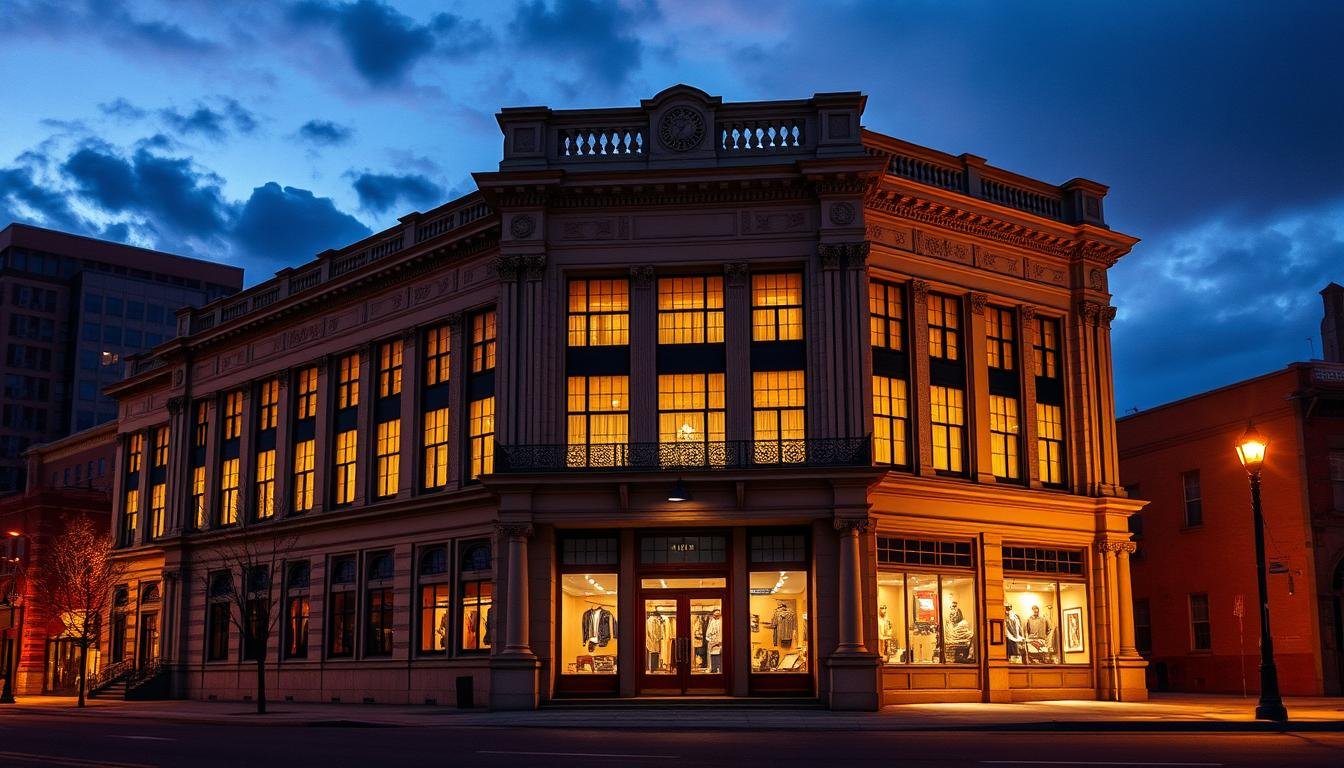
Set in the heart of a historic district, this national institution invites visitors into a vital chapter of American life. The exhibit spans 10,000 square feet and uses photos, artifacts, and interactive media to bring baseball history to life.
The timeline links the sport to broader social change from the post–Civil War era to the 1960s. A documentary narrated by James Earl Jones and life-sized bronze sculptures offer powerful, personal moments.
The focus stays on people and stories. The site celebrates talent, resilience, and entrepreneurship while explaining how Black and Hispanic players reshaped the game. Its federal designation as a national institution underscores its role as a trusted resource for understanding American history.
Whether you are a traveler or a local, expect an encouraging, service-minded visit that clarifies complex history through achievement and pride. The experience guides you to meaningful exhibits so every guest leaves informed and inspired.
Key Takeaways
- The attraction offers immersive storytelling across 10,000 square feet.
- Interactive exhibits and authentic artifacts make the past feel immediate.
- Highlights the influence of Black and Hispanic players on the sport.
- Designated as a national institution for its cultural importance.
- Visitors receive guided context that connects history to today.
Experience the Negro Leagues Baseball Museum in the Heart of Historic 18th & Vine
Step inside a historic block where baseball, business, and community merged to shape a powerful American story.
Located at the Museums on 18th & Vine, the NLBM sits steps from the Paseo YMCA, where Andrew “Rube” Foster helped launch the leagues in 1920. The galleries trace league history alongside major U.S. events and show how sport connected to broader social change.
Why this matters today
Explore Historic 18th to see how athletic talent and African American entrepreneurship created opportunity when doors were closed elsewhere.
A welcoming, celebratory look at resilience
- Walk a living district where the stories began and culture still energizes streets and venues.
- Learn how leagues baseball gave dignity and pride to players and communities.
- Leave uplifted by real stories of excellence and perseverance.
Immersive Exhibits and Stories That Bring the Negro Leagues to Life
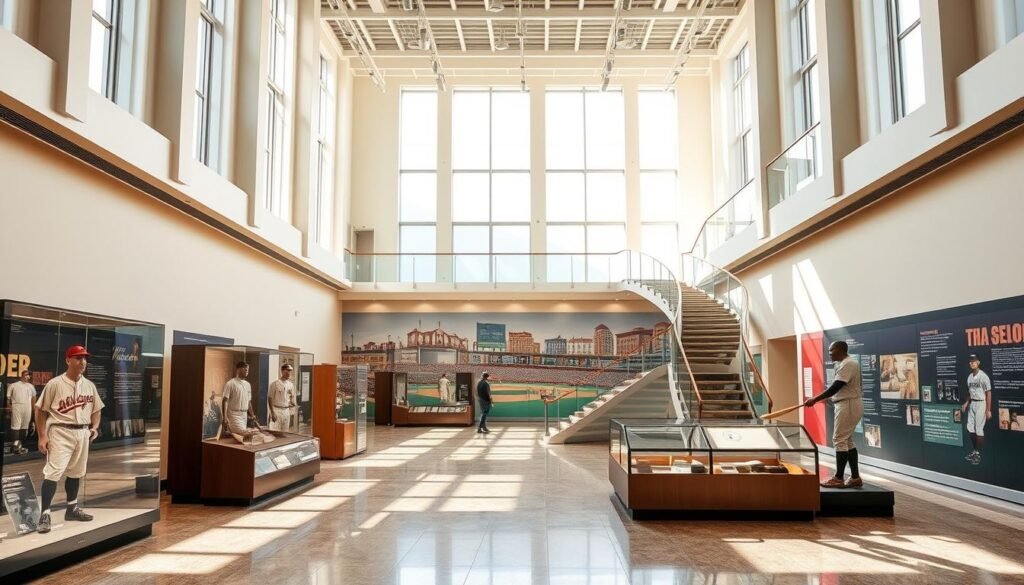
A mix of sculpture, film, and hands-on displays makes history feel immediate and human. Visitors move from dramatic installations to intimate recreations that reveal daily life on the road.
Field of Legends
The Coors Field of Legends places ten life-sized bronze icons on a mock diamond. Stepping into that lineup is a vivid way to meet the era’s greatest figures.
Timeline galleries and photographs
Galleries present hundreds of photographs and artifacts with interactive stations. Each exhibit guides you through a clear, human-centered story about teams, travel, and community.
On-screen history and honors
The documentary narrated by James Earl Jones pairs archival film with expert narration. Nearby, Hall of Fame Lockers honor players who earned spots in Cooperstown.
Re-creations from the era
Carefully built hotel lobbies, barbershops, stadium chairs, and jerseys recreate the look and feel of the road. These scenes help visitors, especially kids, connect with the players’ lives.
- Step onto the Field of Legends for an unforgettable centerpiece experience.
- Trace the timeline exhibits to study photographs and artifacts at your own pace.
- Watch the film to hear a powerful narrated account of the leagues’ impact.
- Explore recreated spaces that show travel, style, and team life.
| Feature | Media Type | Visitor Takeaway |
|---|---|---|
| Field of Legends | Bronze sculpture | Game-day energy and presence |
| Timeline galleries | Photographs & artifacts | Chronological context and depth |
| Documentary & Lockers | Film & displays | Personal stories and official recognition |
From Rube Foster to Buck O’Neil: A Legacy Rooted in Kansas City
In 1920 a meeting at the Paseo YMCA launched a new era in professional play. Andrew “Rube” Foster gathered team owners and set a formal structure that changed American sports. That moment anchors the museum’s mission and gives local ground to a national story.
Founded in 1920 at the Paseo YMCA: The dawn of the Negro Leagues
That one-room start began where players, owners, and community leaders met two blocks from 18th & Vine. The event marked the first organized league for African American teams and shaped decades of baseball history.
From a one-room office to a 10,000-square-foot national museum
The organization grew steadily after its 1990 founding, moving from a single office to 10,000 square feet of exhibits. In 1997 it joined the American Jazz Museum in a $20 million facility, expanding reach and preservation efforts.
Education and research: The John “Buck” O’Neil Center vision
In 2006 the site began restoring the Paseo YMCA to house the John “Buck” O’Neil Education and Research Center. That center continues O’Neil’s vision by supporting scholarship, school programs, and public research into league history.
| Milestone | Year | Impact |
|---|---|---|
| Paseo YMCA meeting | 1920 | Formal launch of organized Black professional teams |
| Founding office | 1990 | First public efforts to preserve this history |
| $20M facility join | 1997 | Expanded exhibits and public access |
| Paseo YMCA restoration | 2006 | Education and research hub named for Buck O’Neil |
“Preserving this story means honoring players, entrepreneurs, and the communities that built a proud sporting tradition.”
- Trace the dawn of negro leagues baseball to a local meeting with national reach.
- See how growth turned a small archive into an official national institution.
- Discover how educational programs keep this baseball history alive for future learners.
Plan Your Visit to the negro leagues museum kansas city
Use this short guide to arrange admission, parking, and a route that fits your time and interests.
Location and hours
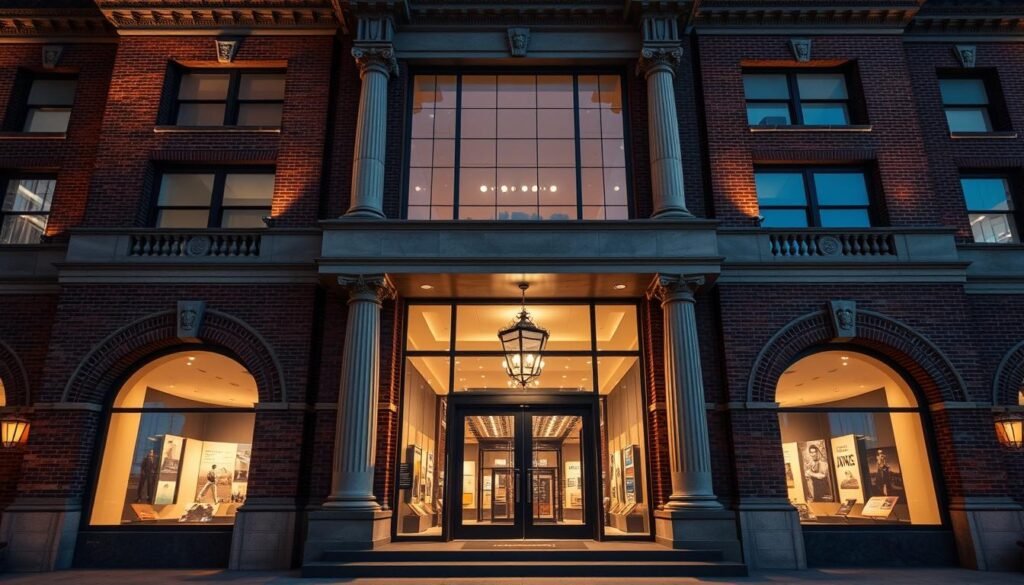
Find the museum at 1616 E. 18th St., inside the Museums on 18th & Vine. Street parking and nearby lots make arrival easy.
Hours: Tuesday–Saturday 10 a.m.–5 p.m.; Sunday noon–5 p.m.; closed Monday.
Admission and what to expect for families and groups
Regular admission is listed as adults $10; seniors (65+) $9; children 5–12 $6; ages 0–4 free. Note that some periods, such as Black History Month, may offer free entry.
Families enjoy the Field of Legends, the short theater film “They Were All Stars,” and hands-on re-creations. Children must be supervised and restrooms sit outside the main gallery.
Gift shop finds: officially licensed gear, books, and keepsakes
Don’t miss the gift shop for officially licensed Negro Leagues merchandise, children’s books, and keepsakes to mark your tour.
| Item | Detail | Visitor Tip |
|---|---|---|
| Address | 1616 E. 18th St., Museums on 18th & Vine | Arrive early to find street or lot parking |
| Hours | Tue–Sat 10–5; Sun 12–5; Mon closed | Plan at least 1.5–2 hours for a full visit |
| Admission | Adults $10; Seniors $9; Kids $6; 0–4 free | Check for special free periods before your visit |
| Shop | Official gear, books, keepsakes | Perfect spot to buy a souvenir after your tour |
- Tip: Start with the Field of Legends and the film to engage kids early.
- For groups, follow a simple route: timeline galleries, documentary, Hall of Fame Lockers, then the shop.
Programs, Partnerships, and Community Impact Beyond the Ballfield
The museum’s outreach extends well beyond its walls, carrying history into neighborhoods and ballparks alike.
Education programs address gaps in school curricula by presenting social context alongside sports stories. Teachers find lesson-ready materials that make complex topics like segregation and economic impact clear for students. These efforts aim to build tolerance and inclusion through accessible programming.
On-the-road access: From 2005 to 2007 the NLBM partnered with Roadway Express to operate a climate-controlled 53-foot trailer. The mobile exhibit toured 25 major league baseball parks, delivering film, photos, artifacts, and interactive displays to fans who could not visit the main site.
Partnerships support long-term sustainability. In 2020 Congress authorized commemorative coins, and First Business Bank administers proceeds to help fund education and preservation. These collaborations turn public interest into lasting support.
Community impact in practice
The leagues acted as small businesses that sustained local economies during segregation. Events, jobs, and entrepreneurship created pride and opportunity.
“These programs preserve memory while inspiring new generations to value courage and innovation.”
- Education and outreach make history relevant for all ages.
- Mobile exhibits expanded reach to major league fans nationwide.
- Financial partnerships ensure future programming and preservation.
| Program | Years / Partner | Impact |
|---|---|---|
| Mobile Museum Tour | 2005–2007 / Roadway Express | Toured 25 major league baseball parks; increased national access |
| Commemorative Coin Program | 2020 / U.S. Mint & First Business Bank | Funding for education, preservation, and outreach |
| Education Outreach | Ongoing | Curricula and events that teach segregation-era history and business impact |
Conclusion
A visit here turns artifacts and photographs into a living lesson about perseverance and progress.
The leagues baseball museum anchors the Museums on 18th & Vine with the Field of Legends, research programs, and exhibits that tie local life to broader american history.
Leave inspired by the players and the stories on display. Take time to reflect on what you learned and share the experience with friends, students, or colleagues.
Support preservation with a gift, membership, or a stop in the store. Your help keeps this baseball museum vibrant and ensures future events, research, and education reach more people.
Plan a return visit to the leagues baseball museum to reconnect with the story and carry its lessons into your community.
FAQ
Where is the Negro Leagues Baseball Museum located?
The museum sits in the Historic 18th & Vine district at 1616 E. 18th St., part of the Museums on 18th & Vine complex. It’s a short walk from other cultural sites and public transit, making it easy to include in a day of local history and music exploration.
What are typical hours and best times to visit?
Hours vary by season and special events; weekdays usually open mid-morning and close mid-afternoon. Weekends and event days can be busier, so plan early mornings for quieter galleries and afternoons for guided tours or family programs.
How much is admission and are there discounts?
Admission rates support exhibits and education programs. Reduced tickets are often available for seniors, students, and youth, and members receive free or discounted entry. Check the official site or call ahead for current pricing and group rates.
Are guided tours available for schools and large groups?
Yes. The museum offers tailored tours for school groups, youth organizations, and adult groups that focus on history, culture, and the sport’s social impact. Advance booking is recommended to secure a time and educator-led programming.
What can visitors expect to see in the exhibits?
Exhibits include the Field of Legends with life-sized bronze figures, timeline galleries filled with photographs and artifacts, recreated period spaces like barbershops and hotel rooms, Hall of Fame lockers, and multimedia presentations narrated by famous voices.
Is the museum family-friendly and accessible for children?
Absolutely. Interactive stations and storytelling elements engage younger visitors, while educators offer age-appropriate programs. The museum also provides accessibility features and resources for visitors with mobility or sensory needs.
Does the museum offer educational programs or research resources?
Yes. The John “Buck” O’Neil Center and education staff support curriculum-based programs, archives access, research assistance, and traveling exhibits. These initiatives deepen understanding of American history and the sport’s cultural impact.
Can I purchase official memorabilia on site?
The museum gift shop stocks officially licensed apparel, books, reproductions, and unique keepsakes that celebrate players, teams, and historic moments—great for gifts or to take home a piece of history.
How does the museum connect to Major League Baseball today?
The institution partners with MLB and other organizations on commemorative programs, traveling exhibits, and public events that honor player legacies and highlight contributions to the sport and American culture.
Are there special events or seasonal programs I should watch for?
Yes. Expect lectures, player tribute events, film screenings, and community celebrations tied to anniversaries and Black History Month. Check the event calendar for pop-up exhibits, guest speakers, and family activities.
Is photography allowed inside the galleries?
Non-flash photography is typically permitted for personal use, though some special exhibits may restrict images. Always follow posted signs and staff guidance to protect fragile artifacts and copyrights.
How can I support the museum beyond visiting?
Support options include membership, donations, volunteer opportunities, and purchasing items from the gift shop. Corporate partnerships and event sponsorships also help expand education and outreach programs.