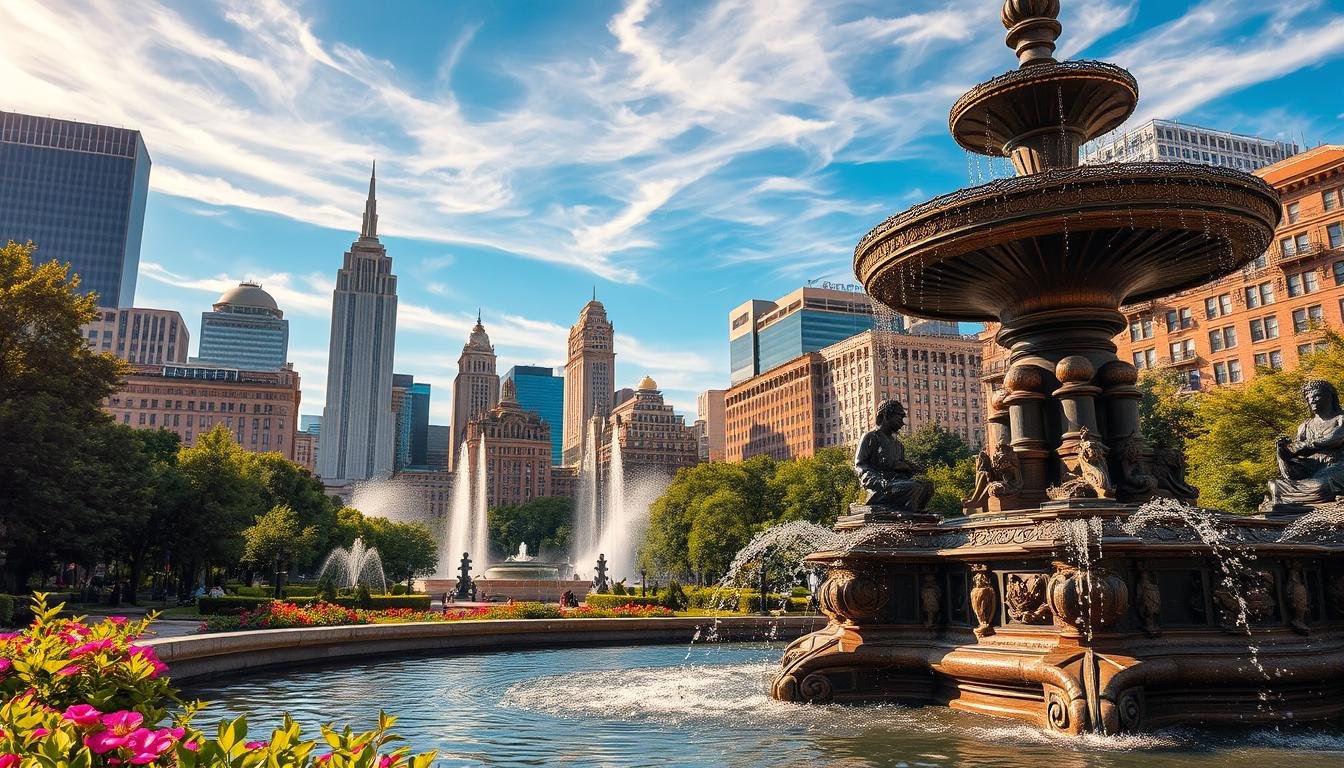
Welcome to a walking and driving guide that put the best public water art within easy reach. In this area, over 200 fountains once animated parks, plazas, and boulevards with sound and movement. Many were turned on each spring during Fountain Day, when the season’s flow returned across the metro.
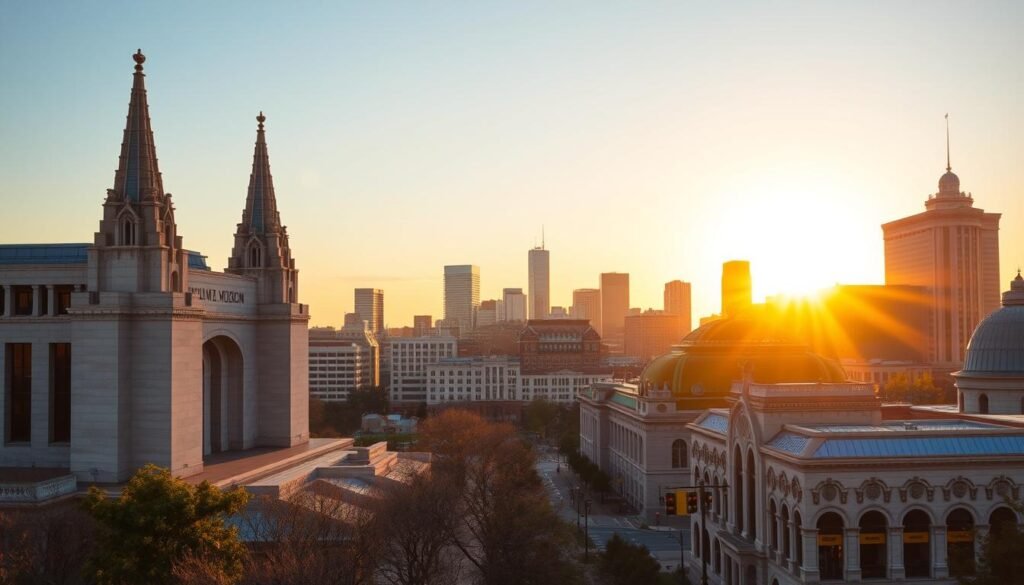
The route below offers a curated path to the most photogenic stops. Expect a mix of sculptural pieces, rearing horses, and choreographed shows that make for iconic visuals. Highlights cluster near Union Station, Crown Center, and the Country Club Plaza, so it’s simple to see multiple sites in one outing.
This guide balanced quick photo ops with linger-worthy spots for families and architecture fans. You’ll get brief history notes, family-friendly tips, and suggestions for pairing fountain hopping with nearby dining, museums, and shopping. Save or print the plan to map favorites before you go for an easier, more rewarding visit.
Key Takeaways
More than 200 fountains enliven parks and plazas across the metro.
Fountain Day in April marks the seasonal return of flowing water.
Top clusters around Union Station, Crown Center, and the Plaza.
The tour mixes quick stops with longer, history-rich locations.
Good for photographers, families, and architecture lovers alike.
From drinking troughs to icons: how Kansas City became the City of Fountains
Early fountains in this metro began as simple drinking stations that met basic needs for people and animals. Tiered basins and spigots served passersby, horses, and dogs, a humane design that predated ornamentation.
Origins of public drinking fountains for people, horses, and dogs
The first municipal water features appeared in the late 1800s. Landscape architect George Kessler added formal fountain designs in 1898 during the City Beautiful movement.
Fountain Day and the City of Fountains Foundation’s preservation mission
The City of Fountains Foundation began in 1973 to restore and maintain these water works. Each spring a ceremonial Fountain Day switches on 48 publicly operated features, a yearly moment of civic pride.
“The switch-on signals spring and the return of public life around these works.”
Where to find them: over 200 fountains across parks, boulevards, and the Country Club Plaza
More than 200 fountains now dot the area, concentrated in parks, boulevards, and the Country Club Plaza near J.C. Nichols projects. Look closely: many pieces pair engineering with allegory—sculptures of children, horses, and mythic figures tell local stories.
Practical roots: drinking stations evolved into public art.
Historic growth: Kessler’s plans connected fountains to landscape.
Preservation: the fountains foundation keeps works flowing for visitors.
Plan visits from spring through fall for the best chance to see large displays operating. Next, we map the must-see stops on your listicle tour — from Plaza classics to choreographed downtown shows.
Iconic stops on your Kansas City fountains listicle tour
These select stops showcase public art that ranges from playful jets to powerful memorials.
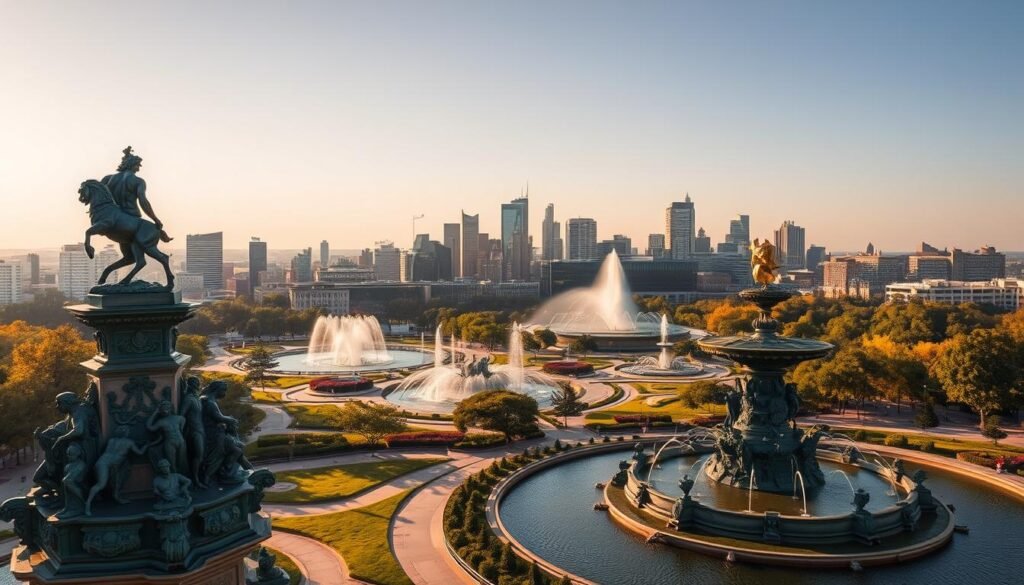
Mill Creek Park by the country club plaza is a must-see. Henri-Léon Gréber’s rearing horses and children represent four great rivers and draw photographers year-round.
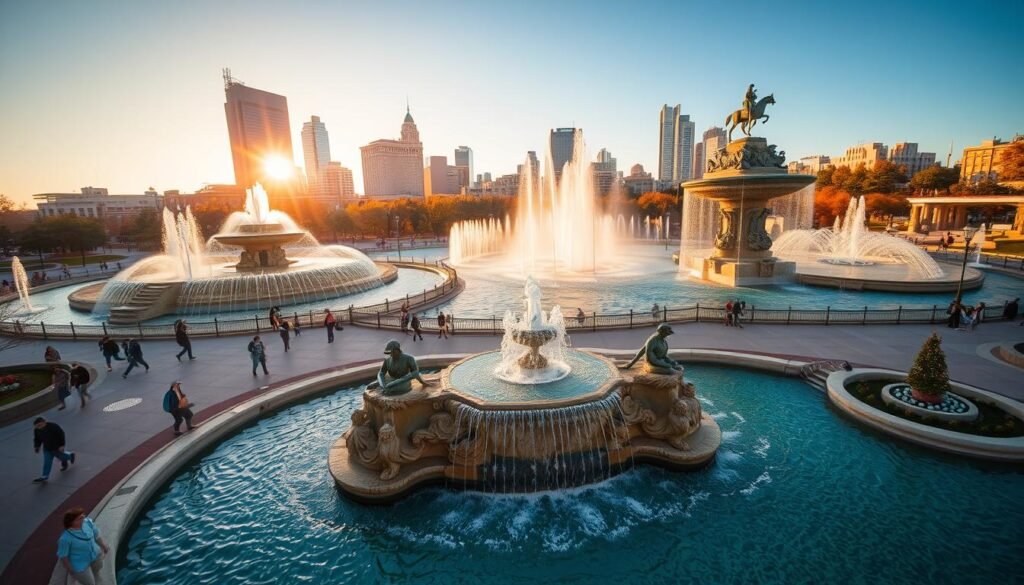
Henry Wollman Bloch Fountain at Union Station uses 232 jets. Expect a five-minute choreographed water show every 90 minutes set against black granite.
Firefighters Fountain and Memorial—a solemn memorial fountain honoring six fallen firefighters with dramatic cascades.
Crown Center Square—family-friendly dancing jets timed to music recorded by members of the Kansas City Symphony.
Women’s Leadership Fountain at 9th & The Paseo—the oldest-operational municipal fountain, preserved and restored.
Stop
Feature
Highlight
Nearby area
Mill Creek Park
Figurative sculpture
Four rivers; horses
Country Club Plaza
Henry Wollman Bloch
232 jets
5-min shows; black granite
Union Station
William Volker
Bronze ensemble
28-ft waterfall; Milles figures
Brush Creek
Seville Light / Muse / Plaza Classics
Renaissance & replicas
Neptune, Pomona, Mermaid
Plaza / Downtown
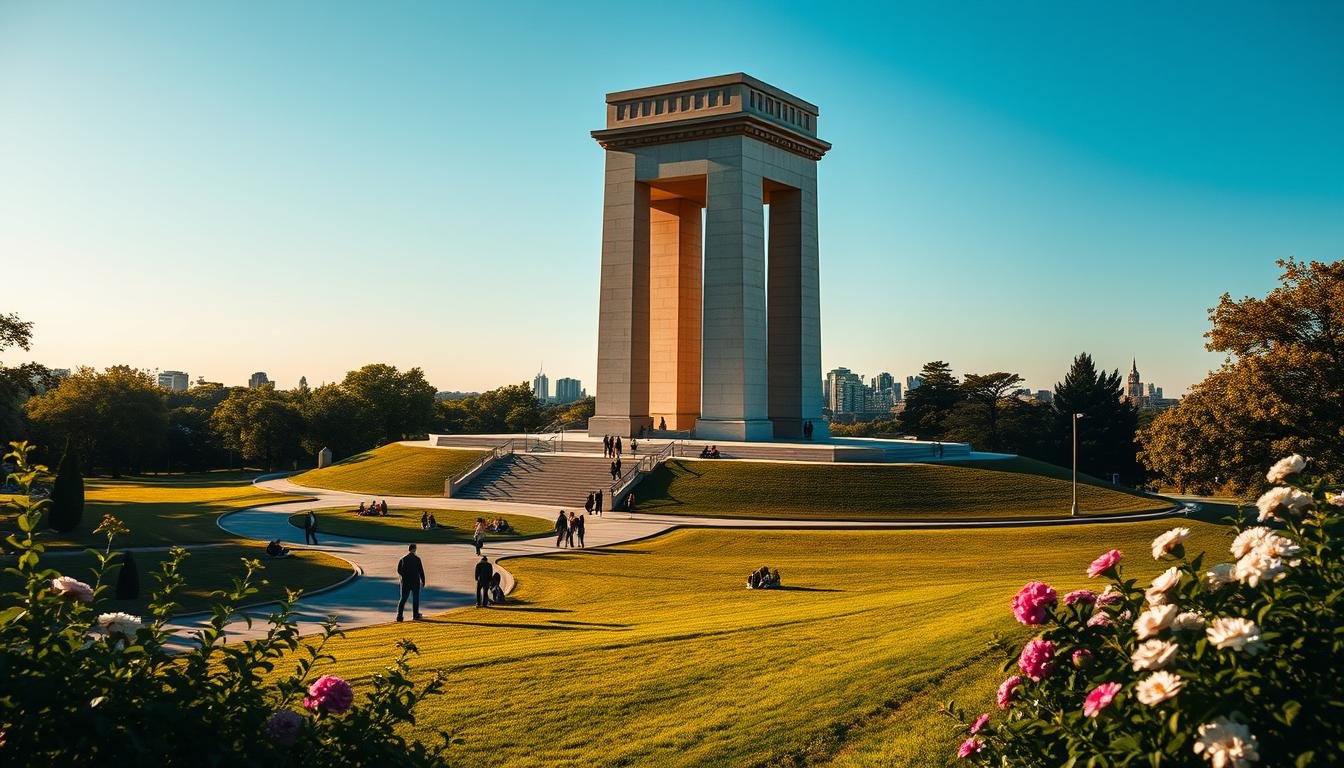
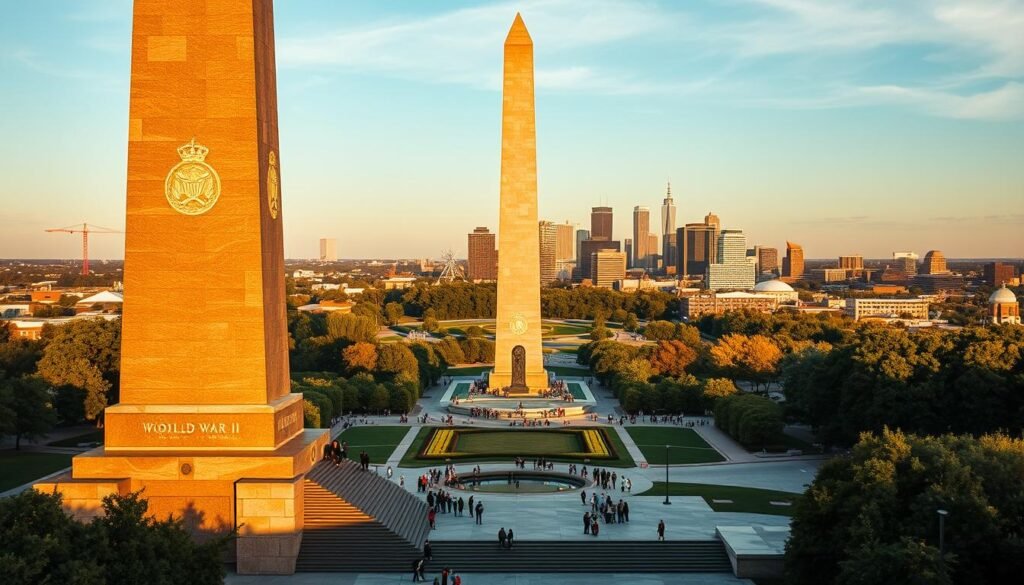
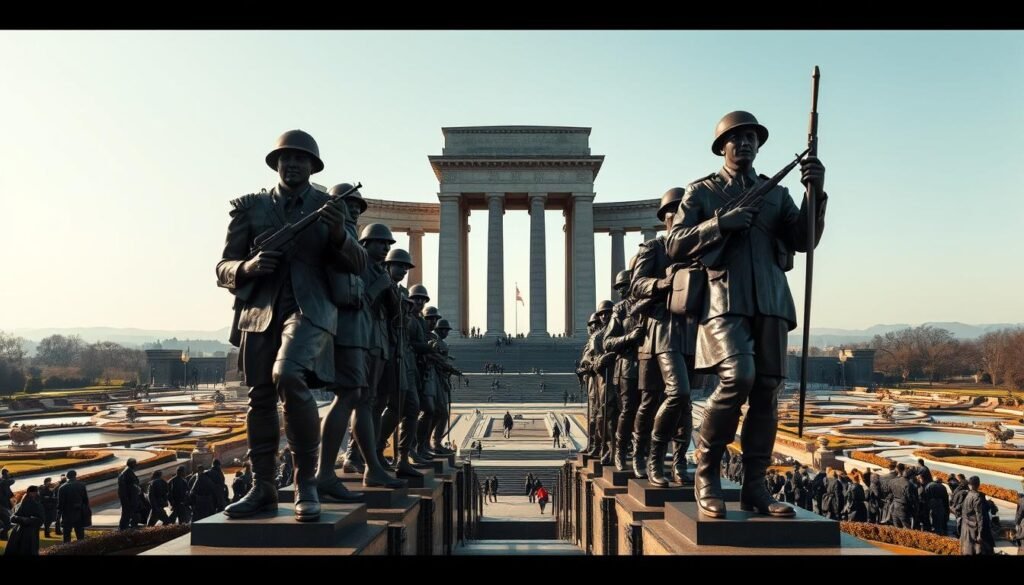
Finish at the Liberty Memorial precinct for reflective pools and quiet views near the National WWI Museum. These stops make a compact, walkable loop that highlights sculpture, water, and civic memory.
Plan your kansas city fountains adventure: routes, seasons, and local tips
Choose a route that matches your pace—short plaza walks or a broader driving sweep. With simple planning you can see sculpture, dramatic jets, and reflective pools in a single outing. Below are practical options and seasonal notes to shape your day.
Best routes and tours
Plaza walks: Book a guided KC Fountain Tours walk to cover most of the 17 highlights at the country club plaza, including Neptune and the Seville Light Fountain. Walking keeps stops compact and photo-friendly.
Downtown clusters: Pair the Henry Wollman Bloch fountain at Union Station with the Muse of the Missouri and the Liberty Memorial precinct for a half-day route that balances spectacle with quiet memorial fountain moments.
Driving sweep: Use the Clio driving tour for 49 stops or the city fountains foundation Google map for a broader neighborhood tour. Both help you explore beyond the core area.
Seasonal moments and local tips
Fountain Day in April marks the seasonal switch-on of 48 public features, often with events at mill creek park. Time visits around that weekend for lively programming.
Bloch shows run roughly every 90 minutes—plan to catch at least one performance.
Watch for dyed water events (Royal blue) during baseball season; these follow strict park protocols.
For families, crown center’s dancing jets are splash-friendly—bring towels and shoes.
Parking is easiest near the Plaza and Crown Center; downtown garages suit multi-stop itineraries.
Route
Key stops
Best for
Plaza walk
Neptune, Mermaid, Seville Light, Mill Creek Park
Photography, short strolls
Downtown cluster
Bloch Fountain, Muse of the Missouri, Liberty Memorial
Half-day tour, memorial visits
Driving tour
49 Clio stops via map, regional list from fountains foundation
Full-day exploration, neighborhoods
Conclusion
End your visit with a short loop that ties together public art, waterworks, and quiet memorials.
From late-19th-century drinking basins to more than 200 sites today, kansas city shows how practical design became public art. Plan around Fountain Day in April to see many displays come alive.
Pick a cluster, set a pace, and soak up both choreographed shows and a calm memorial fountain. Use maps and tours from the fountains foundation to help plan visits and support restoration.
Return in another season—each outing reveals new layers of history and local pride.
FAQ
What makes Kansas City known as the “City of Fountains”?
The area earned that nickname because of more than 200 public water features, many placed by philanthropists like J.C. Nichols and sculptors. These works range from drinking troughs to grand sculptural fountains on the Country Club Plaza and around downtown, creating a unique urban water culture.
When is the best time to take a fountains tour?
Spring through early fall offers the best weather and full fountain operation. Fountain Day in April celebrates the season and many sites reopen then. Evenings can be magical for light and music shows at places like the Henry Wollman Bloch Fountain and Crown Center Square.
Where are the most concentrated fountain clusters for a walking route?
Start at the Country Club Plaza for Renaissance-style works and Seville Light replicas, then follow Brush Creek toward Mill Creek Park. Downtown’s Muse of the Missouri and the William Volker Memorial Fountain sit within an easy walk, and Union Station’s Bloch Fountain anchors nearby attractions.
Are there family-friendly fountains where children can play?
Yes. Crown Center Square and several plaza jets offer splash-friendly areas during warm months. Always supervise kids and check signage for operating hours and water quality before letting children enter the water.
Can visitors drink from any public fountains?
Many older drinking troughs were designed for people, horses, and dogs, and some modern sites include potable water spouts. Look for drinking fountain fixtures or official signage; when in doubt, use bottled water for safety.
How do I find information on Fountain Day and preservation efforts?
The City of Fountains Foundation organizes events and restoration projects. Their calendar lists Fountain Day activities and volunteer opportunities to help preserve sculptures, plumbing, and historic sites around the area.
Are guided tours available that focus on sculptures and history?
Yes. Local tour companies and cultural organizations run guided walks highlighting sculptors, memorials like the Firefighters Fountain, and the stories behind landmarks such as the Liberty Memorial and Union Station. Guided tours give historical context and stop at signature pieces.
What accessibility and parking tips help plan a fountain route?
Many major fountains sit near public parking, transit stops, and paved pathways. The Country Club Plaza and Crown Center provide accessible routes. Check individual site maps for ramps and nearest parking garages to minimize walking distances.
Are there safety or preservation rules visitors should follow?
Respect signage, barriers, and historic materials. Do not climb sculptures or remove plaques. Follow local ordinances on water features—some fountains are decorative only and not for wading. Report damage to local authorities or the foundations that care for these landmarks.
Which fountains are best for photography and what times work best?
Sunset and blue hour highlight water motion and bronze statuary—Mill Creek Park features dramatic horse sculptures ideal for silhouettes. The Henry Wollman Bloch Fountain is spectacular during choreographed shows. Early morning offers softer light and fewer crowds for clear shots.
How did fountains evolve from functional troughs to artistic landmarks?
Early public troughs served people and animals, reflecting practical urban needs. As the area grew, philanthropists and planners like J.C. Nichols commissioned ornate sculptures and memorials, turning utilitarian water into civic art that celebrates history, beauty, and community.
Can I include fountains in an outdoor event or wedding shoot?
Many public plazas allow photography and small gatherings, but permits may be required for commercial shoots or large events—especially at locations like Union Station, Crown Center, or Liberty Memorial. Contact site management or the City of Fountains Foundation to secure permission.
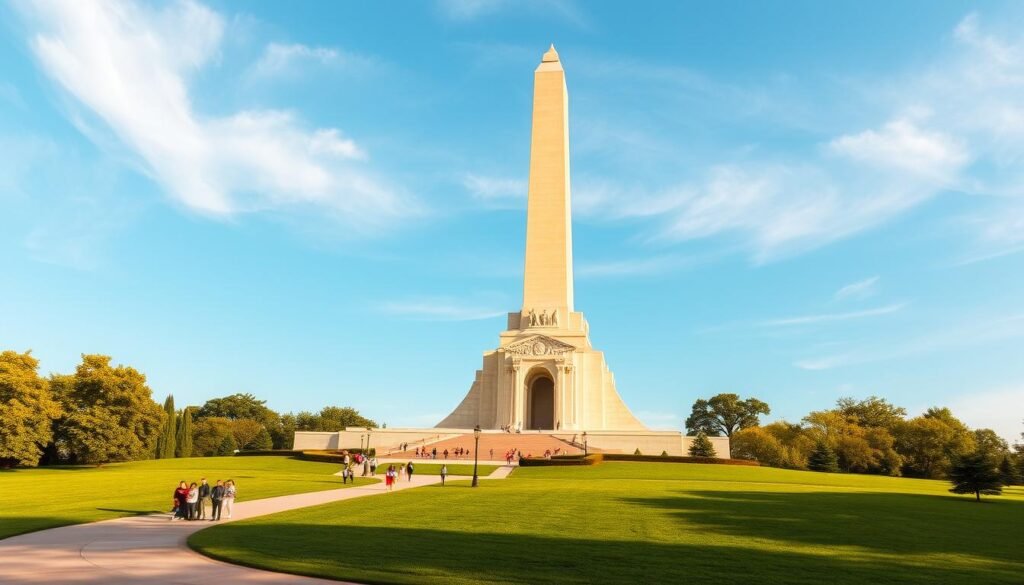
We are excited to take you on a journey to explore the Liberty Memorial in Kansas City, a monument that stands tall with its iconic views and rich historical significance.
As we delve into the details of this magnificent structure, you’ll discover why it’s a must-visit attraction in Kansas City. The Liberty Memorial Kansas City is not just a monument; it’s a symbol of the city’s history and a testament to the sacrifices made during World War I.
In this article, we will explore the various aspects that make the Liberty Memorial a significant landmark, offering iconic views that are truly unforgettable.
Key Takeaways
The Liberty Memorial Kansas City is a significant historical landmark.
It offers iconic views of the city.
The memorial is a testament to the sacrifices made during World War I.
It is a must-visit attraction in Kansas City.
The memorial symbolizes the city’s rich history.
Overview of Liberty Memorial
The Liberty Memorial in Kansas City stands as a poignant reminder of the sacrifices made during World War I. This iconic monument is not just a tribute to the past; it’s an educational gateway to understanding the historical significance of the Great War and its impact on Kansas City.
Historical Background
The Liberty Memorial was dedicated on November 11, 1926, in the presence of President Calvin Coolidge and other notable figures. It was constructed to commemorate the soldiers who lost their lives during World War I. As historian David T. Jackson once said, “The Liberty Memorial is a testament to the courage and sacrifice of those who served.” The memorial’s historical background is deeply intertwined with the city’s history, making it a significant cultural landmark.
“The Liberty Memorial stands as a symbol of the city’s commitment to honoring its veterans.”
Architectural Features
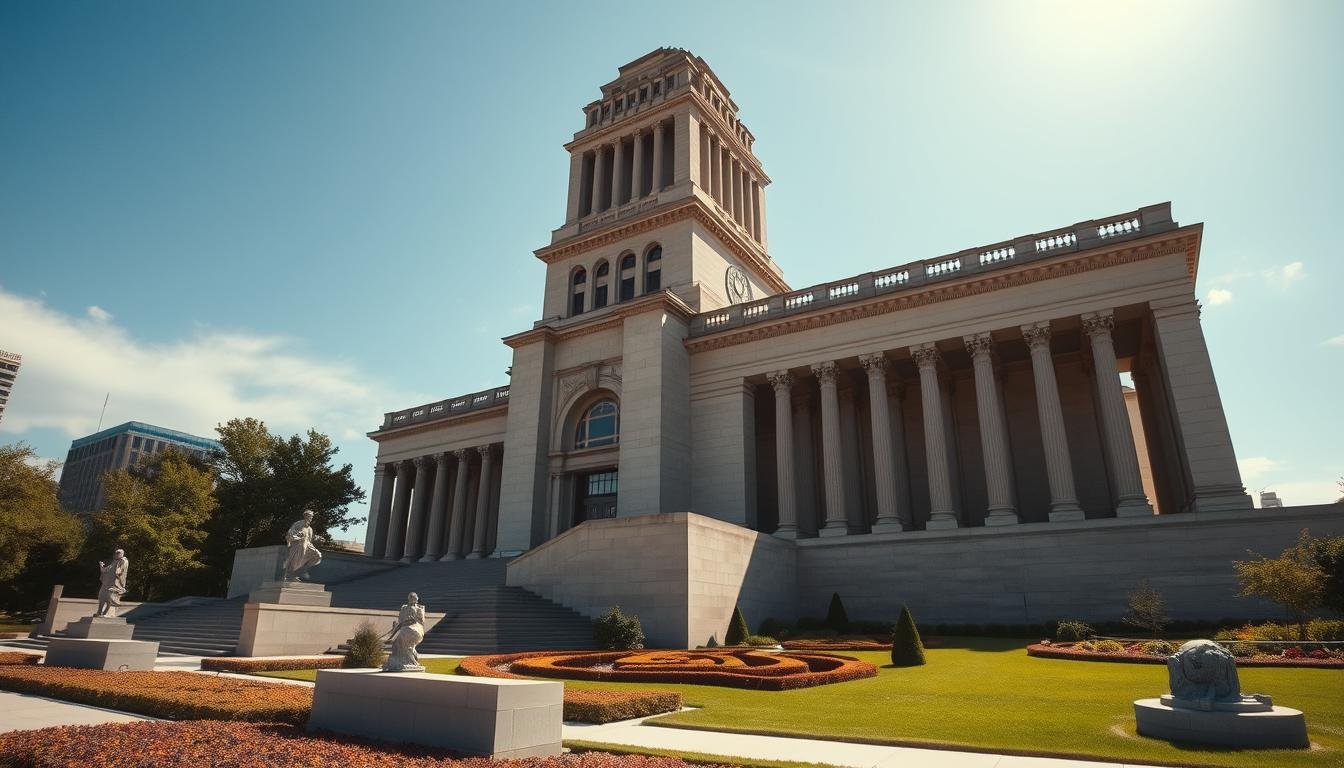
The Liberty Memorial is renowned for its striking architectural design, which reflects the styles and sentiments of the early 20th century. The memorial’s grand staircase and imposing structure make it a visually stunning monument. Its design elements, including the use of limestone and granite, contribute to its historical significance and aesthetic appeal.
The architectural features of the Liberty Memorial are not just aesthetically pleasing; they also hold symbolic meaning. The memorial’s design is meant to evoke a sense of reverence and respect for those who served during World War I.
The memorial’s grand staircase symbolizes the ascent to honor and remembrance.
The use of limestone and granite reflects the durability and strength of the soldiers who served.
Visiting Liberty Memorial
Liberty Memorial is a must-visit Kansas City attraction, and understanding the best times to visit and what to expect can greatly enhance your experience. As we explore the details of planning your visit, you’ll be well-prepared for a memorable trip.
Best Times to Visit
To avoid crowds and make the most of your visit, consider planning your trip during the less busy periods. Typically, weekdays during the spring and fall seasons are ideal, as the weather is pleasant and there are fewer tourists compared to the peak summer months.
Weekdays vs. Weekends: If you have the flexibility, visiting on a weekday can significantly reduce your wait times and allow for a more relaxed experience. Weekends tend to be busier, especially during school breaks and holidays.
Entrance Fees and Hours
Before you go, it’s helpful to know the entrance fees and operating hours. Liberty Memorial Kansas City is committed to being accessible to all visitors.
Visitor Type
Admission Fee
Adults
$15
Seniors (65+)
$12
Children (5-17)
$8
Children under 5
Free
The Liberty Memorial is open from 9:00 AM to 4:30 PM, with extended hours during the summer months. It’s advisable to check their official website for any updates on hours and fees before your visit.
By planning your visit according to the best times and being aware of the entrance fees and hours, you can ensure a smooth and enjoyable experience at this significant Kansas City attraction.
Iconic Views from the Memorial
As you ascend to the top of the Liberty Memorial, the city unfolds before your eyes in a stunning panorama. The view from the top is nothing short of breathtaking, offering a unique perspective on Kansas City’s landscape.
Panoramic Cityscape
The Liberty Memorial stands tall, providing an unobstructed view of the Kansas City skyline. On a clear day, you can see for miles in every direction, taking in the city’s iconic landmarks and architectural marvels. The panoramic view is not just a visual treat; it’s an experience that connects you with the history and spirit of Kansas City.
Photography Tips
For photographers, the Liberty Memorial is a paradise. To capture the beauty of the Kansas City skyline, consider visiting during the golden hour, just before sunset, when the light is soft and warm. Experiment with different angles and compositions to add depth to your photos. Don’t forget to include some of the memorial’s architectural details to add context to your shots.
Some tips for capturing the perfect shot include:
Use a tripod to stabilize your camera for sharper images.
Experiment with different exposure settings to capture the full dynamic range of the scene.
Consider including people in your photos to add a sense of scale and human interest.
Historical Significance of Liberty Memorial
The historical significance of Liberty Memorial is multifaceted, commemorating the sacrifices of World War I while playing a vital role in Kansas City’s history. This monument is not just a reminder of the past; it is a living part of the city’s cultural and historical fabric.
Commemoration of World War I
The Liberty Memorial is dedicated to the memory of those who served in World War I. It stands as a symbol of the sacrifices made during this global conflict, honoring the men and women who fought for their countries. The memorial’s design and architecture are intended to evoke a sense of reverence and respect for the fallen.
Key aspects of its commemoration include:
Honoring the over 4,000 men from the Kansas City area who served in World War I
Commemorating the global impact of the war
Serving as a site for annual remembrance ceremonies
Role in Kansas City History
Beyond its role as a war memorial, Liberty Memorial has become an integral part of Kansas City’s history and identity. It has been a witness to the city’s growth and development over the decades, serving as a constant reminder of the past.
The memorial also plays a significant role in the local community, hosting various events and ceremonies throughout the year. These events not only honor the past but also foster a sense of community among the attendees.
The connection between the memorial and the community is deepened through:
Annual ceremonies and events
Educational programs about World War I history
Preservation efforts to maintain the memorial for future generations
Exploring the Museum
As we step into the National World War I Museum, the rich history and significance of Liberty Memorial come alive. The museum is a treasure trove of artifacts, documents, and personal stories that provide a poignant glimpse into the Great War.
Exhibits and Artifacts
The museum’s exhibits are meticulously curated to take visitors on a journey through the events leading up to World War I, the war itself, and its aftermath. Artifacts such as uniforms, weapons, and personal letters offer a tangible connection to the past. One of the highlights is the field hospital exhibit, which recreates the challenging conditions faced by medical personnel during the war.
Visitors can also explore the memorabilia collection, which includes posters, medals, and other historical items. Each artifact is accompanied by detailed descriptions, providing context and insights into its significance.
Special Events and Programs
The National World War I Museum is not just a static exhibit; it’s a vibrant center for education and commemoration. Throughout the year, the museum hosts special events and programs designed to engage visitors of all ages. These include reenactments, lectures, and workshops that delve deeper into the history and impact of World War I.
“The National World War I Museum is a powerful reminder of the sacrifices made during the Great War. It’s a place where history is not just remembered but lived.”
One of the notable programs is the youth education initiative, which aims to educate younger generations about the importance of understanding and learning from history. Through interactive activities and discussions, participants gain a deeper appreciation for the complexities of war and its influence on the world today.
Accessibility at Liberty Memorial
Ensuring accessibility is a top priority at Liberty Memorial, a significant Kansas City attraction. We strive to make our site welcoming and usable for everyone.
Transportation Options
Getting to Liberty Memorial is convenient, with several transportation options available. Visitors can drive and park on site, with ample parking facilities. For those using public transportation, several bus routes stop nearby, making it easily accessible from various parts of Kansas City.
Ride-sharing services are also a viable option, with designated pick-up and drop-off areas. We recommend checking the latest transit schedules and planning your route in advance to ensure a smooth journey.
Transportation Method
Details
Driving
Ample parking available on site
Public Transportation
Several bus routes stop nearby
Ride-sharing
Designated pick-up and drop-off areas
Facilities for Visitors
Liberty Memorial is equipped with various facilities to enhance your visit. Our grounds are wheelchair accessible, with ramps and elevators connecting different areas. Restrooms are also accessible and equipped with facilities for visitors with disabilities.
We are committed to making your visit as comfortable as possible. Our staff is trained to assist with any needs you may have, ensuring that everyone can enjoy the memorial and its surroundings.
Fun Facts About Liberty Memorial
As we explore the Liberty Memorial, we uncover intriguing aspects that highlight its Iconic Views and Historical Significance. The Liberty Memorial is a landmark that not only commemorates the past but also offers a unique experience for visitors today.
Did You Know?
The Liberty Memorial is home to several interesting facts that showcase its importance. For instance, it was dedicated on November 11, 1926, by President Calvin Coolidge, marking a significant moment in American history. The memorial’s design is also noteworthy, featuring a grand staircase and four towers that symbolize the four fronts of World War I: land, sea, air, and underwater.
Another fascinating fact is that the Liberty Memorial was the first monument in the United States dedicated to the victims of World War I. This historical significance is further emphasized by its inclusion on the National Register of Historic Places.
Unique Features
One of the unique features of the Liberty Memorial is its stunning Iconic Views of Kansas City. Visitors can enjoy panoramic views of the city from the memorial’s observation deck, making it a popular destination for tourists and locals alike. The memorial’s design and architecture also contribute to its historical significance, with elements that reflect the era in which it was built.
“The Liberty Memorial stands as a testament to the sacrifices made during World War I, serving as a reminder of the importance of peace and the impact of war on communities.”
The Liberty Memorial’s Historical Significance extends beyond its architecture to the events and ceremonies it hosts. Throughout the year, the memorial hosts various remembrance ceremonies and events that honor the veterans and victims of World War I.
In conclusion, the Liberty Memorial is a site of great historical importance and offers Iconic Views of Kansas City. Its unique features and fascinating facts make it a must-visit destination for anyone interested in history and architecture.
Nearby Attractions
As we explore the area around Liberty Memorial, we discover a wealth of attractions that enrich our understanding of history and culture. The memorial is strategically located near other significant landmarks that are worth visiting, making it easy to plan a day filled with exploration and learning.
National World War I Museum
Located adjacent to the Liberty Memorial, the National World War I Museum is a must-visit attraction. It provides a comprehensive look at the history of World War I, with exhibits that include artifacts, interactive displays, and personal stories from the war. The museum offers a deeper understanding of the global conflict and its impact on society.
Visitors can explore the museum’s collections, which include uniforms, weapons, and personal items from soldiers. The museum also features a collection of propaganda posters, trench art, and other memorabilia that provide insight into the war’s cultural and social aspects.
The Crossroads Arts District
Just a short drive from the Liberty Memorial, The Crossroads Arts District is a vibrant area known for its artistic community, eclectic shops, and diverse dining options. This district is a great place to experience the local culture, with numerous galleries showcasing the work of Kansas City artists.
Visitors can stroll through the district, exploring the various studios, galleries, and street art installations. The area is also home to a variety of restaurants and cafes, offering everything from contemporary American cuisine to international flavors.
By visiting these nearby attractions, we can enhance our understanding of Kansas City’s history, art, and culture, making our trip a memorable and enriching experience.
Parks and Recreation Nearby
Beyond its historical significance, Liberty Memorial is nestled within a vibrant network of parks and recreational areas that showcase the natural beauty of Kansas City. The surrounding landscape offers a serene escape from the urban bustle, making it an ideal destination for those looking to connect with nature and history alike.
The Outdoor Space Around the Memorial
The outdoor space around Liberty Memorial is meticulously maintained, providing visitors with a peaceful ambiance to reflect on the historical importance of the site. The grounds are adorned with beautifully landscaped gardens and walkways that invite leisurely strolls. As you walk around the memorial, you’re treated to iconic views of the Kansas City skyline, making it a perfect spot for photography.
Picnic Areas and Walking Trails
For those looking to spend more time outdoors, there are several picnic areas and walking trails nearby. These recreational spaces are perfect for families or individuals seeking a tranquil retreat. The walking trails offer a chance to enjoy the local flora and fauna while taking in the panoramic views of the city.
Recreational Facility
Distance from Liberty Memorial
Amenities
Memorial Park
0.5 miles
Picnic areas, walking trails
Kansas City Gardens
1 mile
Gardens, walking paths
Riverfront Park
1.5 miles
River views, picnic spots, walking trails
As we explore the parks and recreational areas around Liberty Memorial, it’s clear that Kansas City has made a concerted effort to preserve both the historical and natural beauty of the area. Whether you’re interested in history, nature, or simply enjoying the outdoors, Liberty Memorial and its surroundings have something to offer.
Community Events at Liberty Memorial
Throughout the year, the Liberty Memorial hosts a variety of community events that honor its historical significance. These events not only commemorate the past but also bring the community together, celebrating the spirit of remembrance and unity.
Annual Remembrance Ceremonies
The Liberty Memorial is a site of solemn remembrance, hosting annual ceremonies that pay tribute to the sacrifices made during times of war. Veterans Day events are particularly significant, attracting veterans, their families, and the broader community. These ceremonies include wreath-laying, memorial services, and moments of silence, creating a poignant atmosphere of reflection and gratitude.
One of the highlights of the year is the Veterans Day ceremony, which honors the service and sacrifice of veterans. The event is well-attended by local veterans’ organizations, community groups, and families. It’s a powerful reminder of the historical significance of the Liberty Memorial and its role in preserving the memory of those who served.
Festivals and Gatherings
Apart from remembrance ceremonies, the Liberty Memorial also hosts various festivals and gatherings that celebrate community and history. These events range from cultural festivals to educational programs, all designed to engage the public and foster a deeper understanding of the memorial’s importance.
Event Type
Description
Frequency
Cultural Festivals
Celebrating diverse cultures with music, food, and performances
Quarterly
Educational Programs
Guided tours and historical lectures for schools and groups
Monthly
Remembrance Ceremonies
Solemn events honoring veterans and the fallen
Annually
These community events at the Liberty Memorial not only enrich the cultural fabric of Kansas City but also underscore the memorial’s role as a place of remembrance and unity. We encourage everyone to participate in these events and experience the historical significance of this iconic landmark.
Tips for a Memorable Visit
The Liberty Memorial Kansas City is more than just a historical site; it’s an experience waiting to be fully appreciated. To make the most of your visit, we’ve gathered some valuable insights to share.
What to Bring
When planning your visit, it’s essential to come prepared. Comfortable shoes are a must, as you’ll be exploring the memorial grounds and the museum. Don’t forget to bring water and snacks, especially during the warmer months. The Liberty Memorial Kansas City is a place where history comes alive, and being hydrated and energized will enhance your experience.
As you explore the memorial, having a camera handy is a good idea. The panoramic views of Kansas City from the top are breathtaking and worth capturing. Additionally, consider bringing a guidebook or map to help navigate the exhibits and understand the historical context more deeply.
How to Engage with History
Engaging with the history presented at the Liberty Memorial Kansas City can be a profoundly moving experience. Take your time to read through the exhibits carefully, and don’t hesitate to ask questions. The staff are knowledgeable and passionate about sharing the stories behind the artifacts.
“The Liberty Memorial is a poignant reminder of the sacrifices made during World War I, and it continues to serve as a symbol of peace and remembrance.”
Participating in one of the guided tours can also enrich your visit. These tours offer in-depth information about the memorial’s history and significance, providing a more nuanced understanding of World War I history.
As you conclude your visit, take a moment to reflect on the experience. The Liberty Memorial Kansas City is not just a destination; it’s a journey through a pivotal moment in history. By being prepared and engaging fully with the exhibits, you’ll leave with a deeper appreciation for the sacrifices made and the importance of preserving our history.
Conclusion: Embracing History and Scenic Beauty
As we conclude our journey through the Liberty Memorial Kansas City, we reflect on the importance of preserving our historical landmarks. The memorial’s WWI memorial architecture is a testament to the past, serving as a reminder of the significance of historical events.
The Liberty Memorial is not just a historical site; it’s also a place of scenic beauty, offering iconic views of Kansas City. Its historical significance is deeply intertwined with the city’s history, making it a crucial part of our cultural heritage.
Preserving the Past for the Future
We encourage you to visit the Liberty Memorial, to learn about its history, and to support the preservation of this significant landmark. By doing so, we can ensure that its beauty and historical significance are enjoyed for years to come.
Supporting Historical Significance
By visiting and supporting the Liberty Memorial, we are contributing to the preservation of WWI memorial architecture and the historical significance it represents. Let’s work together to protect our cultural heritage.
FAQ
What is the Liberty Memorial Kansas City?
The Liberty Memorial Kansas City is a monument and museum complex that commemorates the sacrifices made during World War I, featuring the National World War I Museum.
What are the operating hours of the Liberty Memorial?
The Liberty Memorial is open from 9:00 AM to 4:30 PM, with extended hours during certain periods, so it’s best to check their official website for the most up-to-date information.
How much are the entrance fees to the Liberty Memorial?
Entrance fees vary, with discounts available for seniors, students, and children; we recommend checking the official website for the current pricing.
Can I take a guided tour of the Liberty Memorial?
Yes, guided tours are available, offering a deeper understanding of the memorial’s historical significance and architectural features.
Is the Liberty Memorial accessible for visitors with disabilities?
Yes, the Liberty Memorial is committed to accessibility, with features such as elevators, ramps, and accessible restrooms to ensure all visitors can enjoy the facilities.
Are there any special events held at the Liberty Memorial?
The Liberty Memorial hosts various events throughout the year, including annual remembrance ceremonies, Veterans Day events, and other commemorative activities.
Can I have a picnic near the Liberty Memorial?
Yes, there are picnic areas and beautiful outdoor spaces around the memorial where you can enjoy a meal while taking in the views of the Kansas City skyline.
What are some nearby attractions to visit along with the Liberty Memorial?
Nearby attractions include the National World War I Museum, The Crossroads Arts District, and other Kansas City attractions that offer a mix of history, art, and culture.
How can I support the preservation of the Liberty Memorial?
You can support the preservation of the Liberty Memorial by becoming a member, making a donation, or participating in their fundraising events to help maintain this historical landmark.
As we explore the National WWI Museum & Memorial Kansas City, we discover a landmark that not only commemorates the Great War but also provides a profound educational experience.
This prominent Kansas City landmark attracts visitors from all over, offering a unique blend of history, education, and reflection. We will delve into its rich history, exhibits, and significance, making it a must-visit destination.
Key Takeaways
The National WWI Museum & Memorial Kansas City is a significant historical landmark.
It offers a profound educational experience about the Great War.
The museum features a rich collection of exhibits and artifacts.
It is a must-visit destination for history enthusiasts.
The museum provides a unique blend of history, education, and reflection.
The Rich History of the National WWI Museum & Memorial
As a premier historical museum in Kansas City, the National WWI Museum & Memorial offers a profound journey through history. The museum’s rich history dates back to its founding, and it has since become a significant landmark in the city.
Founding and Purpose
The National WWI Museum & Memorial was established with the purpose of honoring the memory of those who served during World War I. Its founding is a testament to the community’s commitment to preserving history. The museum’s mission is to educate the public about the Great War and its impact on the world.
“The museum serves as a reminder of the sacrifices made during WWI and provides a comprehensive look at the war’s history.”
Major Exhibits and Collections
The museum boasts an impressive collection of WWI artifacts, including uniforms, weapons, and personal items. The exhibits provide a detailed and immersive experience, allowing visitors to gain a deeper understanding of the war. Some of the notable exhibits include:
Personal items from soldiers
WWI-era uniforms and equipment
Historical documents and photographs
Historical Significance in America
The National WWI Museum & Memorial holds significant historical importance in America. It is one of the premier institutions dedicated to the history of World War I. The museum’s collections and exhibits provide a comprehensive look at the war’s impact on the United States and the world.
Exhibit
Description
Personal Items
Items belonging to soldiers, including letters and photographs
Uniforms and Equipment
WWI-era uniforms, helmets, and other military equipment
Historical Documents
Documents and records from the WWI era, including treaties and communications
Why We Should Visit This Landmark
As one of the top Kansas City attractions, the National WWI Museum & Memorial provides an enriching experience that combines historical significance with interactive activities. Visiting this landmark is an opportunity to engage with the past in a meaningful way.
Educational Opportunities for All Ages
The museum offers a range of educational programs designed to cater to different age groups and learning needs. From guided tours to interactive exhibits, there’s something for everyone. Some of the educational highlights include:
Interactive displays that bring history to life
Guided tours led by knowledgeable staff
Educational resources for teachers and students
These programs are designed to be both informative and engaging, making the National WWI Museum & Memorial an ideal destination for families and school groups.
Engaging Activities and Programs
Beyond its educational offerings, the museum hosts a variety of engaging activities and programs that enhance the visitor experience. These include:
Special events commemorating significant dates in WWI history
Temporary exhibitions that offer fresh perspectives on historical events
Community programs that foster engagement and discussion
By participating in these activities, visitors can gain a deeper understanding of the historical context and significance of WWI.
A Deep Dive into WWI History
The National WWI Museum & Memorial is renowned for its comprehensive collection of WWI artifacts and exhibits. As one of the things to do in Kansas City, it offers a unique opportunity to explore the history of the Great War in depth. The museum’s exhibits cover a wide range of topics, including:
The causes and consequences of WWI
The role of the United States in the war
Personal stories and artifacts from those who lived through the war
By exploring these exhibits, visitors can gain a nuanced understanding of this pivotal moment in history.
Location and Accessibility of the Museum
As a prominent museum in Kansas City, the National WWI Museum & Memorial is well-connected, making it easy for visitors to plan their trip. Located in the heart of the city, it is a significant historical site that welcomes visitors from all over.
Directions to the Museum
To visit the National WWI Museum & Memorial, you can use its address: 100 W 26th St, Kansas City, MO 64108. If you’re driving, you can easily find it using major highways such as I-35 or I-29. For those using GPS, simply input the address, and you’ll be directed to the museum.
If you’re coming from within Kansas City, the museum is accessible via several major roads, including Main Street and Broadway. We recommend checking a mapping service like Google Maps for the most current directions and to avoid any road closures.
Parking and Public Transportation Options
The National WWI Museum & Memorial offers parking options for visitors. There’s a parking lot adjacent to the museum where you can park your vehicle. For those who prefer not to drive, Kansas City has a public transportation system that includes buses and the KC Streetcar, which can drop you off near the museum.
For bus routes and schedules, we recommend checking with the Kansas City Area Transportation Authority (KCATA) or using a transit app like Moovit for the latest information. The KC Streetcar is another convenient option, with stops within walking distance of the museum.
By car, bus, or streetcar, getting to the National WWI Museum & Memorial Kansas City is convenient, ensuring that your visit is enjoyable from the start.
Inspiring Exhibits We Can’t Miss
The museum’s collection includes a range of exhibits that provide a somber reminder of the impact of World War I on American history. As we walk through the galleries, we are surrounded by the personal stories and artifacts of those who lived through the Great War.
The American Experience in WWI
One of the museum’s most compelling exhibits focuses on the American Experience in WWI. This exhibit takes visitors on a journey through the roles that American soldiers, nurses, and civilians played during the war. We gain a deeper understanding of the war’s impact on the home front and the significant contributions made by the United States.
The exhibit features a variety of artifacts, including uniforms, letters, and photographs. These personal items humanize the history of the war, making it more relatable and engaging for visitors of all ages.
Special Occasions and Temporary Exhibits
In addition to its permanent collections, the National WWI Museum & Memorial hosts special occasions and temporary exhibits that offer fresh perspectives on World War I history. These exhibits might focus on specific aspects of the war, such as the role of women or the impact of the war on different communities.
Exhibit
Description
Duration
Women in WWI
Explores the contributions of women during the war
March 1 – August 31
Community Impact
Examines the war’s effect on local communities
June 1 – November 30
Personal Stories
Shares personal accounts from soldiers and civilians
January 1 – December 31
These temporary exhibits not only enhance our understanding of World War I but also keep the museum’s offerings fresh and exciting for repeat visitors. We encourage our visitors to check the museum’s calendar to plan their visit around these special exhibits.
Visiting Hours and Ticket Information
To make the most of your visit to the National WWI Museum & Memorial, it’s essential to know the visiting hours and ticket details. The museum is open daily from 9:00 AM to 4:30 PM, with extended hours during certain periods.
General Admission Fees
The National WWI Museum & Memorial Kansas City offers various ticket options to cater to different visitors. Below is a breakdown of the general admission fees:
Category
Price
Adult
$18
Senior (65+)
$17
Youth (6-17)
$10
Children (5 and under)
Free
Discounts for Groups and Seniors
The museum offers discounts for groups and seniors, making it an affordable destination for families and large groups. For groups of 10 or more, a discounted rate of $15 per adult is available. Seniors (65+) can also enjoy a discounted rate of $17, but additional discounts may apply for special exhibitions.
It’s always a good idea to check the official website for the most up-to-date information on visiting hours and ticket prices. We recommend planning your visit during less busy times to fully appreciate the exhibits and memorial.
Plan Our Visit: Tips and Recommendations
We can enhance our experience at the WWI museum in Kansas City by considering a few key factors before we go. Planning ahead allows us to make the most of our visit and enjoy the wealth of historical information available.
Best Times to Visit
The National WWI Museum & Memorial Kansas City is open throughout the year, but certain times may be more preferable depending on our schedule and preferences. Weekdays are generally less crowded than weekends, making them ideal for those who prefer a more serene experience. If we are visiting during peak season, it’s advisable to arrive early to avoid the crowds that build up later in the day.
Guided Tours and Self-Guided Options
The museum offers both guided tours and self-guided options to cater to different learning preferences. Guided tours provide in-depth insights into the exhibits and are led by knowledgeable staff. On the other hand, self-guided tours offer flexibility, allowing us to explore at our own pace.
For those interested in a more structured experience, the guided tours are an excellent choice. These tours are available at various times throughout the day and can be tailored to specific interests or age groups.
Guided Tours: Led by knowledgeable staff, these tours offer in-depth information about the exhibits.
Self-Guided Tours: Allow visitors to explore the museum at their own pace, with the help of provided materials.
By choosing the right type of tour, we can enhance our understanding and appreciation of the National WWI Museum & Memorial Kansas City.
Families and Kids: An Inclusive Experience
The National WWI Museum & Memorial is dedicated to being a Kansas City attraction that welcomes visitors of all ages. We strive to make history engaging and accessible for everyone, including our younger visitors.
Kid-Friendly Activities and Resources
We offer a variety of kid-friendly activities and resources designed to educate and entertain children. Our museum is equipped with interactive exhibits that allow kids to explore the history of World War I in a hands-on manner.
Some of the highlights include:
Interactive displays that simulate trench warfare
Educational programs tailored for different age groups
A collection of artifacts and personal stories from the Great War
Programs Tailored for Family Visits
We understand the importance of family bonding and offer several programs designed specifically for family visits. Our staff is trained to provide a welcoming and engaging experience for visitors of all ages.
“The National WWI Museum & Memorial is a great place to introduce kids to history in a way that’s both fun and educational.” – Visitor Feedback
Our family-friendly programs include guided tours, scavenger hunts, and activity sheets that make learning about history an enjoyable experience for children.
The Architectural Marvel of the Museum
Beyond its historical significance, the National WWI Museum & Memorial Kansas City is renowned for its striking architectural design. As we explore this landmark, we find that its architecture is a blend of the past and present, making it a unique attraction in Kansas City.
Design Features We Appreciate
The museum’s design is a thoughtful blend of modern and classical elements, creating a space that is both beautiful and functional. One of the notable features is its use of light and space to create an atmosphere that is conducive to reflection and learning.
Key Design Elements:
Innovative use of glass and steel
Integration with the surrounding landscape
Memorial spaces that evoke contemplation
As historian Dr. John Smith once noted, “The architecture of the National WWI Museum & Memorial is not just about aesthetics; it’s about creating a meaningful experience for visitors.” This is evident in the way the museum’s design complements its historical exhibits.
The Tower and Its Symbolism
The tower at the National WWI Museum & Memorial is one of its most iconic features. It stands as a symbol of the sacrifices made during World War I and serves as a reminder of the importance of peace.
“The tower is a powerful symbol that connects us to the past, reminding us of the devastating consequences of war and the value of striving for peace.” –
The tower’s design is steeped in symbolism, with its height and structure representing the aspirations and challenges faced during the war. Visitors can ascend to the top for a panoramic view of Kansas City, symbolizing the connection between the past and the present.
Architectural Feature
Symbolism
The Tower
Remembrance and Sacrifice
Memorial Hall
Reflection and Honor
Garden of Confluence
Peace and Unity
As we reflect on the architectural marvel that is the National WWI Museum & Memorial Kansas City, we are reminded of the importance of preserving history and the role that architecture plays in this endeavor.
Special Events Hosted by the Museum
The National WWI Museum & Memorial in Kansas City hosts a variety of special events throughout the year, making it a dynamic destination for visitors. These events not only honor the history of World War I but also engage the local community in meaningful ways.
As we explore the range of activities offered, it’s clear that the museum plays a vital role in preserving history and fostering community spirit. From solemn commemorations to interactive events, there’s something for everyone at this museum in Kansas City.
Commemorative Events and Ceremonies
The museum hosts several commemorative events and ceremonies annually, providing a poignant reminder of the sacrifices made during World War I. These events include memorial services, wreath-laying ceremonies, and reenactments that bring history to life.
Memorial Services: One of the most significant events is the annual Memorial Day service, which honors the men and women who served in World War I. This ceremony is a powerful tribute, featuring speeches, musical performances, and a moment of silence.
Community Engagement Activities
Beyond commemorative events, the National WWI Museum & Memorial is committed to community engagement. The museum offers a range of activities designed to educate and involve the local community, including workshops, lectures, and family-friendly events.
Workshops and Lectures: The museum regularly hosts workshops and lectures on topics related to World War I history, providing a deeper understanding of the conflict and its impact. These events are led by historians and experts, offering a unique insight into the past.
By hosting these diverse events, the National WWI Museum & Memorial in Kansas City continues to serve as a vibrant cultural and historical hub, welcoming visitors from all over. Whether you’re a history buff or just looking for a unique experience, the museum’s special events are not to be missed.
Dining Options at the National WWI Museum
Visitors to the National WWI Museum can complement their historical journey with a meal at one of the on-site cafés or nearby restaurants. As a significant World War I memorial and Kansas City landmark, the dining experience adds another layer to the visit, providing a chance to reflect over a meal.
On-Site Cafés and Dining
The museum offers an on-site café where visitors can enjoy a range of refreshments and light meals. The café provides a convenient and comfortable setting to take a break and recharge before continuing the exploration of the museum’s extensive exhibits.
The café’s menu is designed to cater to various tastes and dietary requirements, ensuring that all visitors have a pleasant dining experience.
Nearby Restaurants We Recommend
For those looking to explore beyond the museum’s on-site dining options, Kansas City offers a diverse range of restaurants within a short distance. From classic American cuisine to international flavors, there’s something for every palate.
The Westside Local: Known for its contemporary American cuisine and cozy atmosphere.
Joe’s Kansas City BB-Q: A Kansas City staple for barbecue lovers.
The Savoy at Crossroads: Offers a unique dining experience with a focus on seasonal ingredients.
These nearby eateries not only provide a break from the historical narrative but also give visitors a taste of Kansas City’s vibrant culinary scene.
The Museum’s Importance in Modern Context
The National WWI Museum & Memorial Kansas City is not just a relic of the past; it’s a dynamic institution that continues to contribute to our understanding of history and its impact on current issues. As we explore its importance in the modern context, we uncover the various ways it remains relevant.
Ongoing Research and Contributions
The National WWI Museum & Memorial is committed to advancing historical knowledge through continuous research. As stated by one of its historians,
“Our research not only sheds light on the events of World War I but also provides insights into the complexities of global conflicts.”
This commitment is evident in its various programs and exhibitions that tackle historical themes with a fresh perspective.
The museum’s research initiatives are designed to foster a deeper understanding of the Great War and its far-reaching consequences. By engaging with scholars and the public, the museum ensures that its findings are accessible and relevant to a broad audience.
Connecting Past and Present Issues
One of the museum’s key roles is to help visitors understand the connection between historical events and contemporary issues. By examining the past, we can gain valuable insights into the present and future. The museum achieves this through interactive exhibits and educational programs that highlight the relevance of World War I to today’s global challenges.
For instance, the museum explores themes such as the impact of war on society, the role of diplomacy in conflict resolution, and the evolution of military technology. These themes are presented in a way that resonates with visitors, making the history of World War I both accessible and engaging.
As one of the top things to do in Kansas City, the National WWI Museum & Memorial offers a unique perspective on history and its ongoing relevance. Whether you’re a history buff or just looking for a meaningful experience, the museum is a must-visit destination.
How We Can Support the National WWI Museum
As we explore the National WWI Museum & Memorial in Kansas City, we discover a landmark that not only preserves history but also engages the community. To ensure its continued success, we can support this Kansas City attraction in various meaningful ways.
Membership and Donation Opportunities
Becoming a member or making a donation is a direct way to contribute to the museum’s ongoing efforts. Membership benefits include unlimited admission, special event invitations, and exclusive updates on new exhibits. Donations help fund educational programs, exhibitions, and preservation projects.
Volunteering and Community Involvement
For those who wish to be more hands-on, volunteering at the National WWI Museum & Memorial is a rewarding experience. Opportunities range from guiding tours to assisting with events. By volunteering, we not only support the museum but also become part of the Kansas City community that values history and education.
By supporting the National WWI Museum, we contribute to the preservation of history and the enrichment of our community, making it a worthwhile Kansas City attraction for years to come.
FAQ
What are the visiting hours of the National WWI Museum & Memorial in Kansas City?
The National WWI Museum & Memorial is open year-round, except for Thanksgiving Day and Christmas Day. Our hours of operation are typically from 9:00 AM to 4:30 PM, but it’s best to check our official website for any updates or changes to our hours.
How much are tickets to the National WWI Museum & Memorial?
General admission fees vary, with discounts available for seniors, students, and groups. We offer free admission to children under a certain age, and we also have special promotions and package deals, so it’s a good idea to check our website for the most current pricing.
Is the National WWI Museum & Memorial accessible for visitors with disabilities?
Yes, we strive to be inclusive and accessible. The museum is wheelchair accessible, with ramps and elevators connecting our buildings. We also offer accommodations for visitors with disabilities, such as wheelchair and stroller loans, and accessible restrooms.
Can I bring my dog or other pet to the National WWI Museum & Memorial?
While we love animals, only service animals are allowed inside the museum. We understand that service animals are vital to the well-being of their owners, and we welcome them.
Are there guided tours available at the National WWI Museum & Memorial?
Yes, we offer guided tours that provide a deeper understanding of our exhibits and the history of World War I. These tours are led by knowledgeable staff and volunteers. We also have self-guided options available for those who prefer to explore at their own pace.
Can I host an event at the National WWI Museum & Memorial?
Absolutely, our museum is a unique and memorable venue for events, from weddings and galas to corporate events and reunions. Our events team is happy to work with you to tailor an experience that fits your needs.
Is there parking available at the National WWI Museum & Memorial?
Yes, we have on-site parking available for visitors. There are also public transportation options and nearby parking garages if our on-site parking is full.
Are there dining options available at or near the National WWI Museum & Memorial?
We have an on-site café where you can enjoy a meal or snack. There are also many restaurants and cafes in the surrounding area, offering a range of cuisines to suit various tastes.
How can I support the National WWI Museum & Memorial?
There are several ways to support us, including becoming a member, making a donation, or volunteering your time. Membership and donations help us continue our mission to preserve the history of World War I and educate the public. Volunteering is a great way to get involved and make a difference.
Welcome to 18th & Vine Kansas City, a vibrant district that embodies the rich jazz heritage and cultural significance of Kansas City. As we explore this historic area, we discover its iconic landmarks and the community that makes it thrive.
This district is not just a place; it’s an experience that brings together history, music, and culture. Jazz enthusiasts and history buffs alike will find themselves immersed in the stories and rhythms that have shaped this unique neighborhood.
Key Takeaways
Explore the rich jazz heritage of 18th & Vine Kansas City.
Visit iconic landmarks that define the Historic Jazz District.
Experience the vibrant community that makes this district thrive.
Discover the cultural significance of this Kansas City neighborhood.
Enjoy the blend of history, music, and culture in one place.
A Brief History of 18th & Vine
As we step into the vibrant 18th & Vine district, we’re immediately immersed in the rich history that has shaped Kansas City’s jazz scene. This historic neighborhood has been the cornerstone of jazz culture for decades, providing a fertile ground for musicians to innovate and flourish.
The Birth of the Jazz District
The story of 18th & Vine began in the early 20th century when Kansas City became a melting pot for jazz musicians. The district’s unique blend of cultural influences and its role as a crossroads for traveling musicians helped establish it as a hotbed for jazz innovation. Jazz clubs sprouted along the streets, offering venues for musicians to perform and hone their craft.
Year
Event
Significance
1920s
Jazz clubs emergence
Established 18th & Vine as a jazz hub
1930s
Influx of traveling musicians
Contributed to the district’s vibrant jazz scene
1950s
Decline and revitalization efforts
Paved the way for the district’s rebirth
Influential Figures in Jazz History
18th & Vine was home to many influential jazz musicians who left an indelible mark on the genre. Figures like Charlie Parker, known as “Yardbird” or “Bird,” and other legendary musicians frequented the clubs in this district, contributing to its rich musical heritage. Their contributions to jazz continue to inspire new generations of musicians and fans alike.
Charlie Parker
Count Basie
Lester Young
These individuals, among many others, played a crucial role in shaping the sound of Kansas City jazz, making 18th & Vine a Jazz heritage site of immense cultural significance.
Exploring the Musical Heritage
The heart of Kansas City’s jazz scene beats strong in 18th & Vine, where we can discover the district’s musical heritage through its iconic clubs and events. As we explore this vibrant district, we are surrounded by the sounds and spirits of jazz legends who once performed on these very streets.
Notable Jazz Clubs We Should Visit
18th & Vine is home to some of the most famous jazz spots in the country. We can visit the Green Lady Lounge, known for its intimate setting and live jazz performances. Another must-visit is the Gem Theater, which hosts a variety of jazz acts and is a hub for local musicians.
These music venues in Kansas City are not just places to listen to music; they are experiences that connect us with the rich history of jazz. By visiting these clubs, we become part of a legacy that continues to thrive.
Key Events Celebrating Jazz Music
The 18th & Vine district is alive with key events celebrating jazz music throughout the year. One of the highlights is the annual Kansas City Jazz & Blues Festival, which brings together musicians and fans from all over. We can also look forward to the 18th & Vine Jazz Festival, featuring performances by local and national artists.
These events are a testament to the district’s commitment to preserving and promoting its musical heritage. By participating in these festivals, we are supporting the local music scene and contributing to its continued success.
Iconic Landmarks to Discover
As we explore the vibrant 18th & Vine district in Kansas City, we discover a rich tapestry of history and culture embodied in its iconic landmarks. This district is not just a collection of historic sites; it’s a living, breathing testament to the cultural and musical heritage that has shaped Kansas City into what it is today.
The American Jazz Museum
The American Jazz Museum is a cornerstone of the 18th & Vine district, celebrating the legacy of jazz music and its impact on American culture. With interactive exhibits and a vast collection of jazz memorabilia, the museum offers a deep dive into the history of jazz, from its roots to its current forms.
The Negro Leagues Baseball Museum
Another significant landmark in the district is the Negro Leagues Baseball Museum, which honors the history and achievements of African American baseball players and teams. The museum showcases the rich history of the Negro Leagues, providing insights into the challenges faced by these players and their contributions to the sport.
Historic Buildings Worth Seeing
The 18th & Vine district is also home to numerous historic buildings that reflect its architectural heritage. These buildings, some of which date back to the early 20th century, offer a glimpse into the district’s past and its significance as an African American cultural district. Walking tours of the area provide an opportunity to appreciate the architectural details and historical context of these buildings.
Landmark
Description
Significance
The American Jazz Museum
Celebrates jazz heritage with interactive exhibits
Preserves the history and legacy of jazz music
The Negro Leagues Baseball Museum
Honors African American baseball history
Highlights the achievements and challenges of Negro Leagues players
Historic Buildings
Reflects the district’s architectural heritage
Provides insight into the district’s past as an African American cultural hub
A Taste of Local Cuisine
From soul food to classic barbecue, the culinary landscape of 18th & Vine is a reflection of the district’s diverse cultural roots. As we explore this historic district, we discover that the local cuisine is not just about the food; it’s about the experience and the rich history that comes with it.
Must-Try Restaurants in the Area
The area is home to a variety of eateries that serve up authentic Kansas City flavors. One of the standout restaurants is Arthur Bryant’s Barbeque, a legendary establishment that has been serving some of the city’s best barbecue since 1952. Another must-visit is Blues City Deli, where you can enjoy soul food classics in a setting that celebrates the district’s jazz heritage.
For a truly immersive experience, we recommend visiting Joe’s Kansas City Bar-B-Que, where the menu boasts a range of barbecue favorites, from burnt ends to Z-Man sandwiches. Each of these restaurants offers a unique taste of Kansas City’s culinary identity, deeply rooted in the traditions of 18th & Vine.
Iconic Dishes Reflecting Our Culture
The cuisine in 18th & Vine is characterized by its hearty portions and rich flavors, reflecting the community’s spirit and history. Kansas City-style barbecue, with its slow-smoking technique and use of a thick tomato-based sauce, is a staple of the local diet. Another iconic dish is burnt ends, crispy, flavorful bites that are a favorite among locals and visitors alike.
Additionally, the district’s soul food heritage is evident in dishes like fried chicken, collard greens, and cornbread, all of which are staples at local eateries. These dishes not only satisfy our taste buds but also tell the story of the community’s resilience and cultural richness.
Engaging with the Community
The Historic Jazz District is not just a place to visit; it’s a vibrant community that welcomes us to participate in its events and culture. As we explore this iconic district, we discover a rich tapestry of experiences that allow us to connect with the local community.
Local Events and Festivals We Can Attend
Throughout the year, 18th & Vine hosts a variety of events and festivals that celebrate its jazz heritage. These events range from outdoor concerts to cultural festivals, offering something for everyone. Some notable events include:
The annual Kansas City Jazz Festival, which brings together renowned and emerging jazz musicians.
The 18th & Vine Fall Festival, celebrating the district’s heritage with music, food, and activities for all ages.
Jazz concerts at the Green Lady Lounge, a historic venue that continues to be a hub for live jazz performances.
By attending these events, we not only enjoy the music and culture but also contribute to the local economy and community spirit.
Supporting Local Artists and Musicians
Supporting local artists and musicians is crucial to preserving the Historic Jazz District as a thriving Jazz heritage site. By attending their performances, purchasing their work, and promoting their talents, we help ensure the continued vibrancy of the district.
Ways to Support Local Talent
Benefits
Attend live performances at local jazz clubs.
Provides financial support and encourages artists to continue performing.
Purchase artwork and music from local artists.
Directly supports the artists and promotes their work.
Promote local talent through social media.
Increases visibility and can attract new fans and supporters.
By engaging with the community and supporting local artists, we enrich our experience in the Historic Jazz District and contribute to its ongoing legacy.
Interactive Tours and Experiences
The 18th & Vine district offers a plethora of interactive experiences, from guided walking tours to jazz and culinary tours, allowing us to dive deeper into its musical heritage. As we explore this historic district, we can gain a richer understanding of its significance in the world of jazz.
Guided Walking Tours of 18th & Vine
Guided walking tours are an excellent way to discover the iconic landmarks and famous jazz spots that define the 18th & Vine district. These tours not only highlight the area’s rich history but also provide insights into the influential figures who shaped the jazz scene. We can stroll through the historic streets, visiting notable music venues in Kansas City, such as the Green Lady Lounge and the Jazz Gallery at the Gem Theater.
Some of the key stops on these guided tours include:
The American Jazz Museum, showcasing the history and legacy of jazz
The Negro Leagues Baseball Museum, highlighting the intersection of sports and culture
Historic buildings like the G.E.B. Music Building and the Musicians’ Church
Jazz and Culinary Tours We Recommend
For a more immersive experience, jazz and culinary tours combine the love of music with the pleasure of local cuisine. These tours allow us to sample the flavors of Kansas City while enjoying live jazz performances at various venues. We can savor dishes at renowned restaurants and cafes, experiencing the unique blend of culture and culinary art.
Here’s a comparison of some jazz and culinary tours available:
Tour Name
Duration
Highlights
Jazz & Soul Tour
3 hours
Live jazz performances, soul food sampling
Culinary Jazz Adventure
4 hours
Gourmet meal at a historic jazz club, behind-the-scenes stories
18th & Vine Jazz Cruise
2 hours
Jazz cruise along the Missouri River, local cuisine tasting
By participating in these interactive tours and experiences, we can deepen our appreciation for the 18th & Vine district’s rich cultural heritage and its status as a hub for jazz enthusiasts.
The Artistic Side of 18th & Vine
18th & Vine is not just a historic district; it’s a living canvas where art, music, and culture converge. As we explore this vibrant neighborhood, we discover that its artistic side is just as compelling as its history.
The district’s artistic expressions are a reflection of its rich cultural heritage. From the murals that adorn the walls to the sculptures that dot the streets, every piece of art tells a story about the community that created it.
Public Art Installations to Discover
One of the joys of visiting 18th & Vine is stumbling upon its public art installations. These works of art are not just aesthetically pleasing; they also provide a glimpse into the district’s history and culture. For instance, the Gem Theater, a historic landmark, features a stunning mural that pays homage to the district’s jazz legacy.
As we walk through the district, we’re treated to a variety of public art that reflects the community’s creativity. From murals to sculptures, each piece is a testament to the district’s vibrant cultural scene.
Installation
Artist
Description
Jazz Heritage Mural
Local Artist Collective
A vibrant mural celebrating the district’s jazz heritage
Sculpture Garden
Jane Doe
A serene garden featuring sculptures inspired by African American culture
Galleries Showcasing Local Talent
In addition to its public art, 18th & Vine is home to a number of galleries that showcase the work of local artists. These galleries provide a platform for artists to share their talents with the community, and they offer visitors a unique glimpse into the district’s creative spirit.
Some of the notable galleries include the Greenlease Gallery at Rockhurst University, which features works by local and regional artists, and the Kansas City Art Gallery, which showcases a diverse range of artistic styles.
By exploring the artistic side of 18th & Vine, we gain a deeper understanding of the district’s cultural significance and its importance as an African American cultural district. Whether through its public art installations or its galleries, 18th & Vine is a place where art and culture come alive.
Unique Shopping Experiences
As we explore the 18th & Vine Kansas City Historic Jazz District, we discover a treasure trove of unique shopping experiences that reflect the area’s rich cultural heritage. The district is a vibrant blend of history, art, and culture, making it a fascinating place to shop.
The area is dotted with local shops that offer a range of handcrafted goods, from artisanal jewelry to handmade crafts. These unique items not only make great souvenirs but also serve as a reminder of the district’s thriving artisanal community.
Local Shops Offering Handcrafted Goods
One of the highlights of shopping in 18th & Vine is the opportunity to purchase goods directly from local artisans. We can find beautifully crafted items that reflect the district’s jazz heritage, including handmade musical instruments and jazz-inspired art pieces.
Some of the local shops worth visiting include those specializing in handmade crafts, vintage clothing, and artisanal home decor. These shops not only offer unique products but also provide a glimpse into the creative process of local artisans.
Shop Name
Specialty
Unique Offering
The Crafty Artist
Handmade Crafts
Customizable jazz-themed crafts
Vintage Vibes
Vintage Clothing
Rare jazz-era clothing and accessories
Artisan’s Corner
Artisanal Home Decor
Handmade decorative items inspired by jazz
Souvenirs to Remember Our Visit
When it comes to souvenirs, 18th & Vine offers a range of memorable items that capture the essence of the Historic Jazz District. From jazz-themed apparel to local artwork, there’s something for everyone.
Some popular souvenir ideas include:
Jazz-themed memorabilia, such as posters and prints
Locally made crafts and handmade jewelry
Culinary delights, like artisanal foods and specialty teas
As we shop in 18th & Vine, we’re not just buying souvenirs; we’re taking home a piece of the district’s history and culture. Whether it’s a unique piece of jewelry or a jazz-themed poster, our souvenirs will serve as a reminder of the unforgettable experiences we had in this vibrant Historic Jazz District.
Family-Friendly Activities in the District
18th & Vine is more than just a jazz district; it’s a vibrant area that welcomes families with a variety of activities. As we explore this historic neighborhood, we find that there’s something for everyone, from educational programs to outdoor fun.
Educational Programs at the Museums
The museums in 18th & Vine offer a range of educational programs designed to engage children and adults alike in the rich history of Kansas City’s jazz heritage. At the American Jazz Museum, visitors can participate in interactive exhibits that celebrate the legacy of jazz legends. Our children can learn about the significance of this music genre and its influential figures through hands-on activities.
For instance, the museum offers workshops where kids can learn about jazz instruments and even get to try playing them. This hands-on approach makes learning fun and memorable. The Negro Leagues Baseball Museum also provides educational programs that teach children about the history of baseball and its cultural impact, further enriching their understanding of the community’s heritage.
Museum
Program Highlights
Age Group
American Jazz Museum
Interactive jazz exhibits, Instrument workshops
6-12 years
Negro Leagues Baseball Museum
History of baseball, Cultural impact discussions
8-14 years
Parks and Recreation Options for Kids
After exploring the museums, families can enjoy the outdoors at one of the local parks. The 18th & Vine District is surrounded by green spaces that offer a variety of recreational activities. Children can play in the parks while learning about the district’s history through interactive signage and public art installations that reflect the Kansas City jazz history.
One of the parks nearby offers playgrounds, picnic areas, and walking trails, making it an ideal spot for a family day out. We can also participate in community events held in these parks, which often include live jazz music, further enhancing our appreciation for the local jazz heritage site.
As we enjoy the family-friendly activities in 18th & Vine, we not only have a great time but also gain a deeper understanding of the area’s cultural significance. Whether it’s through education or recreation, there’s no shortage of fun and learning experiences for families to enjoy together.
Planning Your Visit
Our journey to 18th & Vine, Kansas City’s iconic jazz district, requires some planning to ensure we catch the famous jazz spots at their best. To make the most of our visit, we need to consider a few key factors.
Peak Season and Events
The district comes alive during the peak season, which typically runs from spring through early fall. Key events like the Kansas City Jazz Festival draw large crowds, making it an ideal time to experience the vibrant jazz scene.
The Kansas City Jazz Festival, usually held in July, features performances by renowned jazz musicians.
Summer months offer extended hours at local jazz clubs, allowing us to enjoy live music well into the night.
Special events and concerts are often scheduled on weekends, making them perfect for visitors.
Getting to 18th & Vine
Fortunately, 18th & Vine is easily accessible by various transportation options. We can choose the one that best suits our needs.
By Car: Parking facilities are available near major attractions, making it convenient to drive in.
Public Transportation: Kansas City’s public transportation system includes bus services that stop near 18th & Vine.
Ride-Sharing Services: Companies like Uber and Lyft operate in Kansas City, providing another convenient option.
By planning our visit during the peak season and choosing the right transportation, we can ensure a memorable experience at 18th & Vine, immersing ourselves in the rich jazz heritage of Kansas City.
Conclusion: Why 18th & Vine Matters to Us
18th & Vine is more than just a district in Kansas City; it is the heartbeat of our city’s rich jazz heritage and a testament to the community spirit that defines us. As we reflect on the significance of this African American cultural district, we are reminded of the importance of preserving its legacy for future generations.
Legacy of Jazz
The district is home to Kansas City landmarks such as the American Jazz Museum and the Negro Leagues Baseball Museum, which celebrate the city’s musical and sporting history. These institutions not only honor the past but also continue to inspire new generations of musicians and artists.
Community Spirit
At the heart of 18th & Vine is a vibrant community that comes together to celebrate its heritage through music, art, and culture. We invite you to explore this unique district with us, to experience the jazz, cuisine, and history that make Kansas City so special. Together, let’s preserve the spirit of 18th & Vine for years to come.
FAQ
What is 18th & Vine Kansas City?
18th & Vine Kansas City is a historic district that embodies the rich jazz heritage and cultural significance of Kansas City, featuring iconic landmarks, musical heritage, and a vibrant community.
What can we expect to find in the 18th & Vine district?
We can expect to find famous jazz spots, music venues, museums, historic buildings, local cuisine, and unique shopping experiences that reflect the district’s character and Kansas City jazz history.
What is the significance of 18th & Vine in jazz history?
18th & Vine is a legendary jazz heritage site that was once the hub for many influential jazz musicians, shaping the jazz scene and continuing to celebrate its rich jazz history.
What kind of events take place in 18th & Vine?
18th & Vine hosts various events and festivals throughout the year, including jazz performances, cultural celebrations, and community gatherings that showcase the district’s vibrant cultural scene.
Can we take a guided tour of 18th & Vine?
Yes, we can take guided walking tours, jazz and culinary tours, and other interactive experiences that provide a deeper understanding of the area’s history, significance, and Kansas City landmarks.
Is 18th & Vine suitable for families?
Yes, 18th & Vine is a family-friendly destination, offering educational programs at the museums, parks, and recreation options for kids, making it a great place to visit with family.
How can we get to 18th & Vine?
We can use various transportation options to get to 18th & Vine, including driving, public transportation, and ride-sharing services, making it easily accessible.
What are some must-try restaurants in 18th & Vine?
We can try local restaurants that serve classic barbecue, soul food, and other iconic dishes that reflect the district’s cultural heritage and Kansas City’s culinary traditions.
Can we support local artists and musicians in 18th & Vine?
Yes, we can support local artists and musicians by attending their performances, visiting galleries that showcase their work, and purchasing handcrafted goods from local shops.