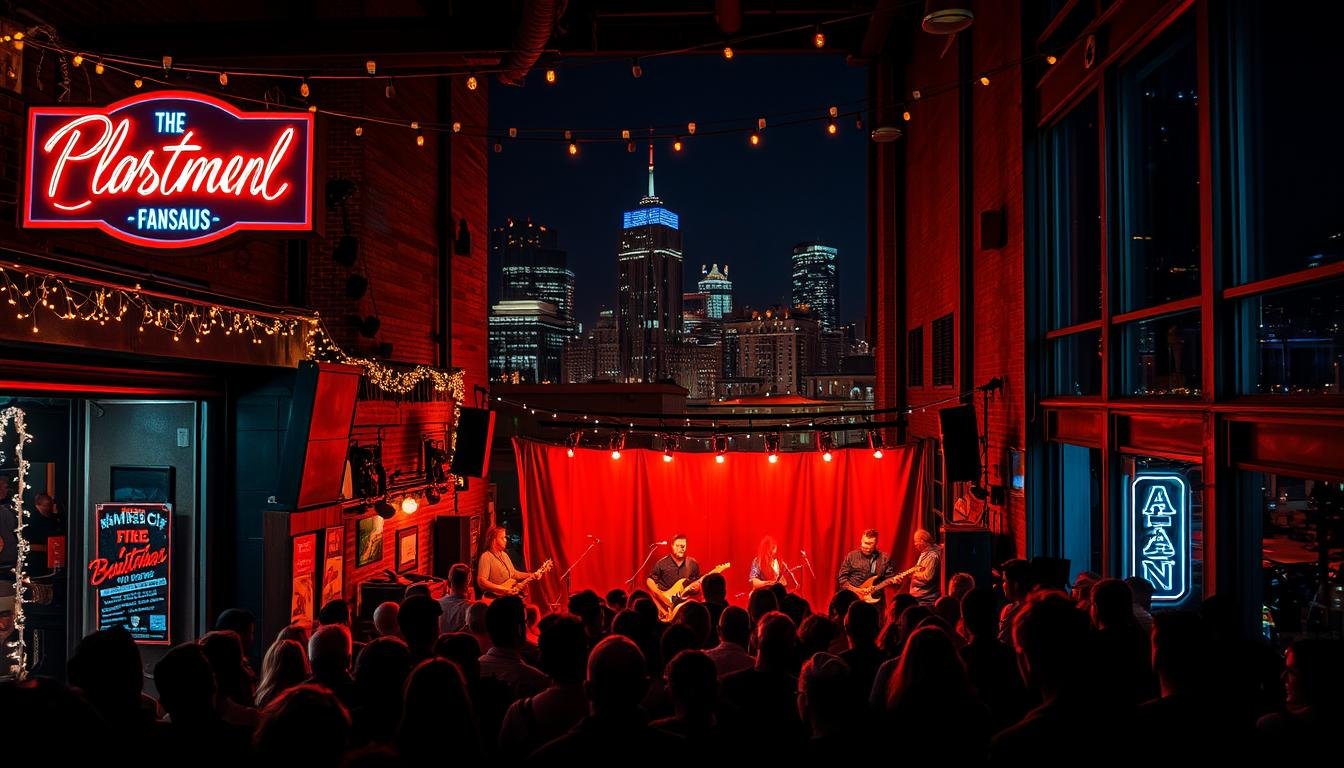
Tag: Kansas City Music Scene

  • Live Music Venues in Kansas City: From Indie Shows to Arenas

    Live Music Venues in Kansas City: From Indie Shows to Arenas

    Explore a sweep of venues that ranges from intimate jazz rooms to full-scale arenas. This guide maps spots across neighborhoods so you can pick the right vibe, time, and ticket option. Find addresses and phone contacts for quick planning, from T-Mobile Center to cozy lounges on Grand Boulevard.

    Daily jazz and big stages define the scene. Catch nightly jazz at Green Lady Lounge or Black Dolphin, visit The Blue Room for 18th & Vine heritage, or aim for arena shows at T-Mobile Center and the Kauffman Center for orchestral performances.

    Use this directory to compare tiers at a glance: supper clubs, midsize theaters, outdoor amphitheaters, and stadiums. See real-time examples like Riley Green at T-Mobile Center or Thundergong at Uptown Theater to spark plans and jump on tickets while they last.

    Key Takeaways

    • Map venues by neighborhood to match vibe and convenience.
    • Nightly jazz options make for authentic local experiences.
    • Outdoor and arena stages host seasonal highlights and major tours.
    • Keep addresses and phone numbers handy for quick ticketing.
    • Decide by atmosphere: supper club, lounge, tavern, or arena.

    How to Use This Kansas City Live Music Directory Right Now

    Pick a neighborhood and your preferred vibe, then narrow options by venue size and ticket access. Start with anchors like Power & Light, Crossroads, 18th & Vine, West Bottoms, East Bottoms, Midtown/Westport, and the Plaza. These hubs cluster clubs, theaters, and arenas for easy planning.

    Confirm details before you go. Use addresses and phone numbers to check show times, age limits, and accessibility. Click official venue links — T-Mobile Center, Uptown Theater, recordBar, Knuckleheads, The Ship, and The Blue Room — to buy tickets and skip reseller fees.

    • Filter by vibe: jazz, indie, country, or orchestral, then pick the closest neighborhood for dining and parking.
    • Save calendars and set alerts for hot shows and festivals to avoid sold-out nights.
    • Plan transit: garages near Power & Light, lots in Crossroads, and rideshare zones at arenas.

    Intimate and Jazz Hotspots: Close-Up Live Music in Kansas City Nights

    For small-room charm and late-hour grooves, head to KC’s tighter stages where every set feels personal.

    kansas city music night

    Green Lady Lounge & Black Dolphin — Crossroads jazz nightly

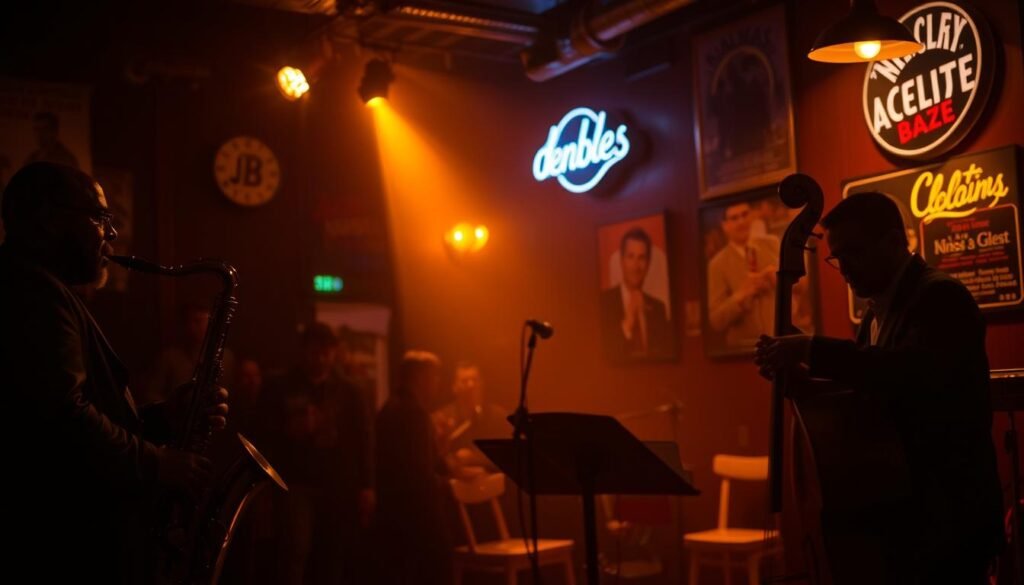
    Reserve a table at Green Lady Lounge (1809 Grand Blvd, (816) 215-2954) for Ken Lovern’s OJT at 6 p.m. Then walk next door to Black Dolphin (1813 Grand Blvd) for Tim Whitmer and later Mike Bourne & KC Boogie.

    The Blue Room & American Jazz Museum — 18th & Vine heritage

    The Blue Room (1616 E 18th St, (816) 474-2929) pairs museum context with sets like Jazz Disciples at 8:30 p.m. Drop by the American Jazz Museum earlier to connect history with the performance.

    The Phoenix; Lonnie’s Reno Club; The Savoy; VOO; The Ship; Plaza spots

    The Phoenix (302 W 8th St) offers Sunday jazz brunch and evening bands. Lonnie’s Reno Club and The Savoy serve supper-club vibes with Lonnie McFadden and the Cynthia Von Roden Quartet.

    VOO Lounge and The Ship host open jams and diverse lineups. On the Plaza, Chaz and O’Dowd’s balance cocktails and polished sets. Call ahead—small rooms fill fast.

    Beloved Midsize Stages: Historic Theaters and Clubs Where KC Bands Break Through

    If you want venues where local acts grow into stars, start with these beloved theaters and clubs. Each room offers a different vibe—ornate halls, modern floors, and gritty club spaces—so pick what fits your night.

    Uptown Theater

    Uptown Theater (3700 Broadway St, (816) 753-4190) hosts eclectic bookings from Thundergong to touring acts. The Westport landmark has multiple sightlines and photo-ready architecture.

    Arvest Bank Theatre at The Midland

    Arvest Bank Theatre at The Midland (1228 Main St, (816) 283-9900) blends ornate design with modern production—great for artists who need a grand hall without arena scale.

    recordBar

    recordBar (1520 Grand Blvd, (816) 753-5207) is the discovery hub for indie, punk, and local showcases. Expect matinees, album nights, and a packed calendar of touring bills.

    The Truman & Madrid Theatre

    The Truman (601 E Truman Rd, (816) 205-8560) offers a flexible standing floor. Madrid Theatre is a restored 1926 gem in Midtown—both suit bands moving into 1k–2k rooms.

    Ameristar’s Star Pavilion

    Ameristar’s Star Pavilion (3200 N Ameristar Dr, (816) 414-7000) hosts classic throwbacks like Blues Traveler in a comfortable, seated casino setting.

    “Arrive early for GA floors and check seating maps to match sound and sightlines.”

    • Use venue sites for tickets and age rules.
    • Plan pre-show dinner by district to make the night seamless.

    Outdoor and Seasonal Live Music Kansas City Experiences

    Outdoor venues bring skyline views, late sets, and festival energy from spring through fall.
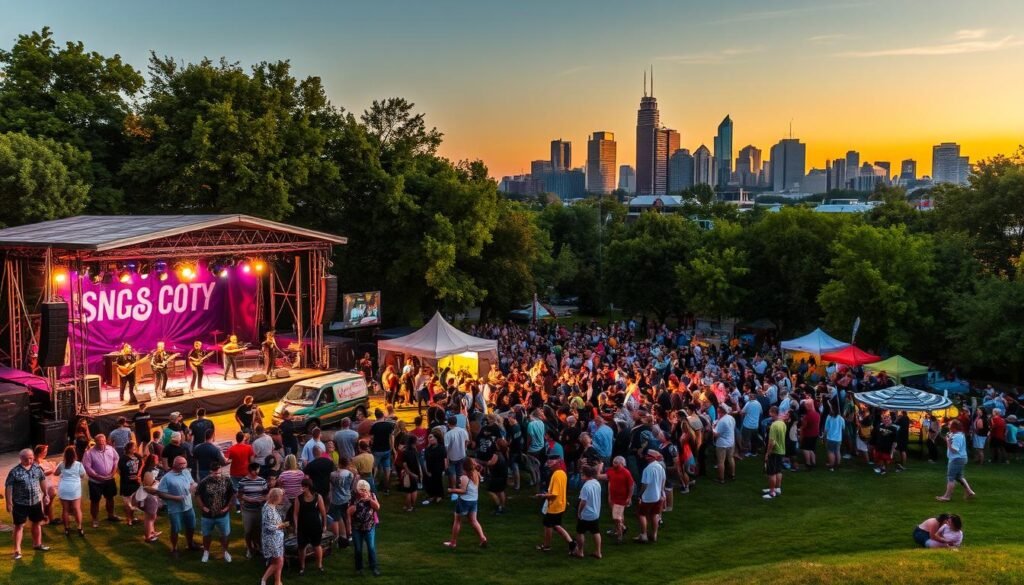
    kansas city outdoor music

    Knuckleheads Saloon (2715 Rochester St, (816) 483-1456) fills its East Bottoms yard with multi-stage days. Hop between afternoon jams and evening sets for a full roots-and-blues marathon.

    Starlight Theatre

    Starlight Theatre in Swope Park offers comfortable sightlines and lawn seating. Arrive early to claim space and enjoy Broadway-style shows under the stars.

    KC Live! Block & Downtown Festivals

    KC Live! Block hosts Hot Country Nights and seasonal festivals with easy parking and walkable food options. Downtown events keep the energy late into the night.

    Amphitheaters and Summer Hubs

    Azura Amphitheater has pit, bleacher, and lawn choices for big touring packages. Crossroads KC and Boulevardia round out the season with street stages and festival flair.

    “Build your spring-to-fall calendar around open-air venues where the skyline and sound meet.”

    Venue Setting Typical Seating Notes
    Knuckleheads Saloon East Bottoms yard & indoor stages General admission, multiple stages Day-to-night sets; 2715 Rochester St; multi-stage lineup
    Starlight Theatre Swope Park outdoor bowl Lawn, reserved seating Broadway and concert seasons; arrive early for lawn spots
    Azura Amphitheater Suburban outdoor arena Pit, bleachers, lawn Good for major tours and festival setups
    KC Live! Block / Boulevardia Downtown streets & festival grounds Standing, festival zones Hot Country Nights, food vendors, fast exits via garages
    • Watch weather and venue rules for umbrellas and chairs.
    • Use rideshare pickup points to speed your exit after a packed night.

    Arenas, Stadiums, and Symphony: Big-Stage Sound and Citywide Moments

    When a show calls for massive sound, pyrotechnics, or full-orchestra finesse, these venues answer with scale and polish.

    T-Mobile Center — arena headliners and national tours

    T-Mobile Center (1407 Grand Blvd, Kansas City, MO 64106, (816) 949-7100) hosts arena-scale tours and one-night events.

    Tip: Scan the calendar and buy early. Compare lower-bowl seats to floor layouts and plan entry timing to move quickly through security.

    Arrowhead Stadium & Kansas Speedway — mega-concert blowouts

    Arrowhead Stadium and Kansas Speedway stage super-sized summer shows and festival weekends.

    Expect tailgating culture, large-stage effects, and a crowd-driven atmosphere that spreads across neighborhoods.

    Kauffman Center for the Performing Arts — symphonic seasons

    Kauffman Center for the Performing Arts (1601 Broadway, Kansas City, MO, (816) 994-7200) is home to the Kansas City Symphony and prized for its acoustics.

    Season packages for 2025/26 are available. Choose pops, masterworks, or special concerts to match your taste.

    KC Symphony experience — what to expect and community programs

    The symphony makes concerts approachable. What to Expect at the Symphony materials include notes, podcasts, and playlists that prep first-time attendees.

    Community programs bring performances into schools and neighborhoods. Hallmark sponsorship and recent leadership awards highlight regional support.

    “Lock in season packages for the best seats, then add single tickets as special events appear.”

    • Prepay parking and check bag rules to speed entry.
    • Use mobile wallets and venue apps for seamless access and concessions.
    • Pair shows with nearby dining—Power & Light for arena nights, Crossroads for pre-symphony dinner.
    Venue Address / Contact Best For Notes
    T-Mobile Center 1407 Grand Blvd • (816) 949-7100 Arena tours, pop & country headliners Buy early; compare lower bowl vs. floor; fast entry tips
    Arrowhead Stadium Arrowhead Dr • Stadium Complex Stadium festivals and mega-shows Tailgating, large-scale production, summer dates
    Kansas Speedway 400 Speedway Blvd • Event hotline Rock and country festivals Multi-day festivals; expect citywide traffic plans
    Kauffman Center 1601 Broadway • (816) 994-7200 Orchestral performances and chamber events Home of the Kansas City Symphony; strong acoustics

    Conclusion

    End your search by matching a venue’s scale to the evening you want—intimate, midsize, or grand.

    Save this directory to plan by mood, neighborhood, and season. Start with a jazz lounge, step up to a midsize theater, then check arena and stadium calendars for bucket‑list dates.

    Tip: Thread an 18th & Vine museum visit into a Blue Room set, or pair supper‑club dining with a downtown performance for a fuller night.

    Watch calendars weekly—club shows pop up fast and festival lineups roll out into summer. Consider a Kansas Symphony package to anchor your year.

    Invite friends, set alerts, and reserve early. Pick a date, grab tickets, and make your next memory in front of the speakers.

    FAQ

    What types of venues are listed in the guide?

    This directory covers a full range of spots — intimate jazz rooms, midsize theaters, open-air amphitheaters, arenas, and symphony halls. You’ll find supper clubs, restored historic theaters, community festivals, and casino-stage listings to suit different moods and budgets.

    How can I find shows happening tonight?

    Check venue websites and social channels for up-to-date schedules. Ticketing platforms like Ticketmaster and Eventbrite list current dates. For neighborhood tips, follow local promoters and venues on Instagram and Twitter for last-minute announcements and door deals.

    Are there good options for jazz and small‑room performances?

    Absolutely. Several downtown and 18th & Vine venues host nightly jazz and intimate sets. Many spots offer early‑evening brunch shows or late‑night sessions, so you can choose a short set or a full evening of listening.

    Which venues are best for discovering local bands and indie acts?

    Look for independent clubs and midsize theaters that focus on local showcases. Neighborhood stages and the restored midtown rooms regularly feature up‑and‑coming regional artists and DIY bills where you can catch talent before they break out.

    What should I expect at outdoor summer festivals and amphitheaters?

    Outdoor events range from family‑friendly afternoon sets to late‑night festival lineups. Expect food vendors, security checks, and varied seating (lawn or reserved). Bring sun protection and arrive early for parking and merch lines.

    How do arena and stadium concerts differ from theater shows?

    Large‑scale arena and stadium events focus on production value — lights, visuals, and big sound — with assigned seating and strict entry policies. Theaters offer closer sightlines and a more personal vibe. Choose based on how close you want to feel to the performance.

    Are there affordable ticket options or discounts?

    Yes. Watch for presales, weekday shows, and college or military discounts. Some venues hold limited cheap tickets at the door or release last‑minute seats through apps. Subscribing to venue newsletters often yields promo codes.

    Can I bring children to concerts and symphony performances?

    Family‑friendly shows and matinees exist across the city, but many evening club sets are 21+. Check age policies on event pages. Symphony programs often feature special family concerts and educational events suitable for kids.

    What are best practices for safety and accessibility at venues?

    Review venue accessibility info before you go — ramps, elevators, and ADA seating are usually listed. Arrive early, keep personal items secure, and follow staff directions. If you need accommodations, contact the box office ahead of time.

    Where can I find parking and transit tips for big shows?

    For downtown events, consider public transit, ride‑shares, or park‑and‑ride lots to avoid long waits. Larger venues post parking maps and recommended entry gates. For neighborhood clubs, street parking or small lots are common but fill quickly.

    How do I submit a band or event for listing in the directory?

    Most venue websites and local event calendars accept submissions via email or an online form. Provide a clear press kit, links to music and social profiles, and preferred dates. Follow each venue’s booking guidelines for the best chance of being added.

    Which apps and sites are useful for tracking shows and buying tickets?

    Popular options include Ticketmaster, Bandsintown, Songkick, and Eventbrite. Local venue sites and promoters also post directly. Use multiple sources to compare fees, seating, and verified resale options.

    How often is the directory updated?

    Listings are refreshed regularly during touring seasons and before major festival windows. Still, always confirm details on the venue’s official page or the ticketing provider, since schedules can change quickly.

    Are there music education or community programs I can join?

    Yes. Symphony organizations, arts centers, and several historic music sites run lessons, youth ensembles, and outreach programs. Check each institution’s education page for enrollment and volunteer opportunities.
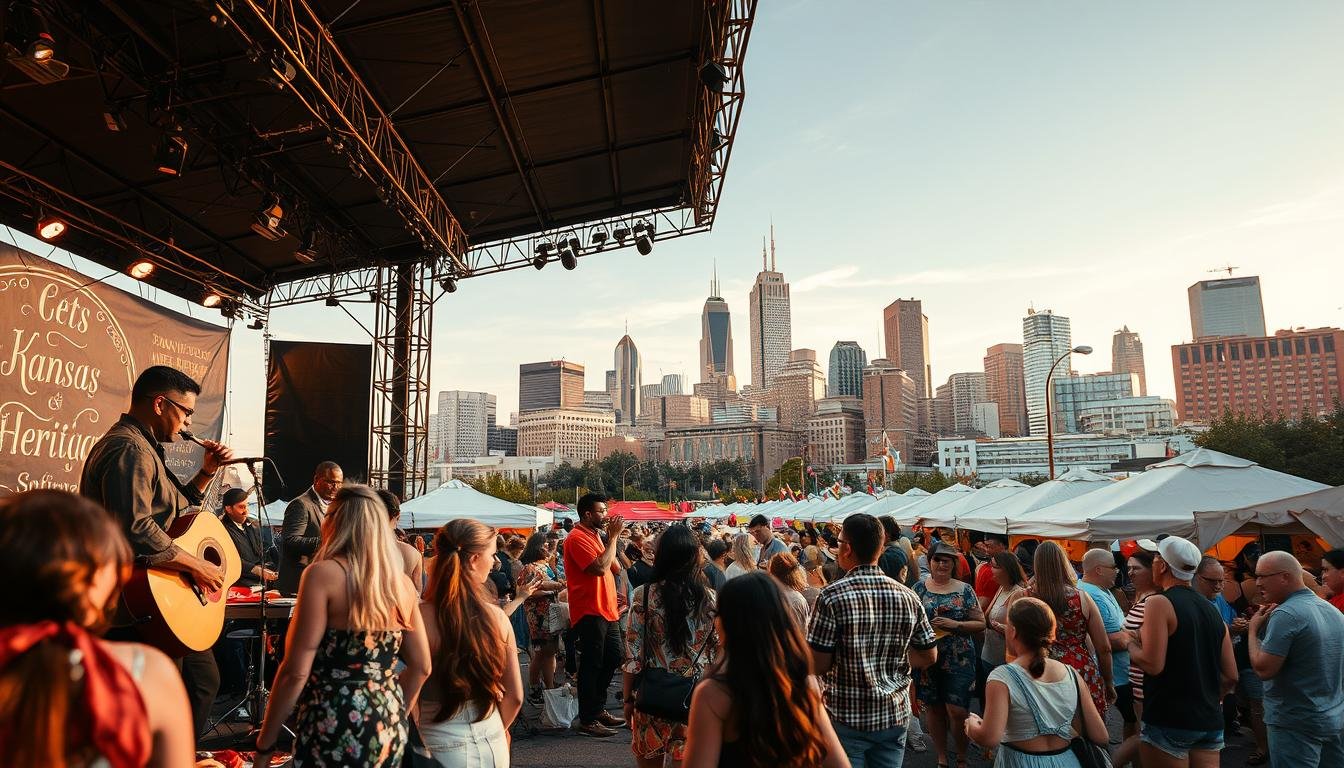
  • Kansas City Jazz & Heritage Festival Guide: Artists, Dates & What to Expect

    Kansas City Jazz & Heritage Festival Guide: Artists, Dates & What to Expect

    The KC Blues & Jazz Festival returned October 3–4 at Legends Field, 1800 Village West Pkwy, Kansas City, KS 66111. The two-day event brought national stars and hometown heroes together for a high-energy weekend.

    The lineup featured Stanley Clarke Quartet, Shemekia Copeland, Karl Denson’s Tiny Universe, Bill Frisell Trio with Thomas Morgan & Rudy Royston, plus Gregory Tardy as a guest. Local favorites like Roosevelt Collier, Jackie Myers, Bobby Watson & David Basse also appeared.

    This guide recaps who played, when it happened, and how producers honored regional heritage while spotlighting today’s performers. You’ll get quick insights on stage highlights, layout choices, and practical tips for attending the next edition.

    Key Takeaways

    • Two-day recap of headline acts and standout local sets.
    • Community-driven programming balanced with national talent.
    • Venue and production choices improved sightlines and acoustics.
    • Practical tips to plan arrival times and catch major shows.
    • How partnerships linked performances to local history and education.

    Quick Facts: Dates, Venue, and Vibe at Legends Field

    When it happened:

    October 3-4

    The revived format ran over two well-paced days, October 3–4. Attendees enjoyed headliners and discovery sets spread across a compact schedule that made it simple to sample multiple acts.

    Where to go next time:

    Legends Field, 1800 Village West Pkwy, Kansas City, KS 66111

    Legends Field served as the central hub. Recent stadium upgrades—like the artificial turf—helped production handle stage builds and heavy foot traffic without harming natural grass.

    The three-stage layout gave variety: a main stage for marquee acts and two smaller stages for rising and local performers. Clear signage, easy entrances, and on-site amenities kept movement smooth.

    Item Detail Why it mattered
    Dates October 3–4 Compact schedule favored discovery and headline viewing
    Venue Legends Field (artificial turf) Allowed sturdy stage setups and better crowd flow
    Setup Three stages, concessions, restrooms Diverse listening options and comfort during set changes

    “Clear wayfinding and staff support helped fans navigate quickly and fit more music into each day.”

    Lineup Highlights: From Stanley Clarke to Shemekia Copeland

    A mix of global stars and hometown talent created a weekend of deep musical contrasts and raw energy. The program balanced virtuosic performances with community-driven sets to keep every hour exciting.

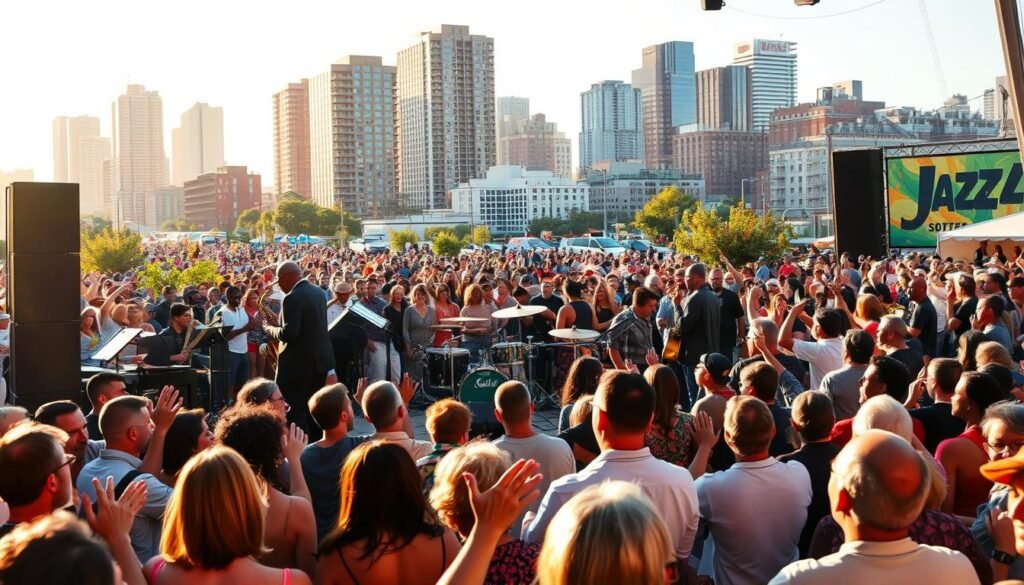
    jazz festival

    Headliners and major draws

    Stanley Clarke Quartet delivered virtuosic bass work and tight group interplay that anchored peak improvisation. Shemekia Copeland brought powerful, modern blues storytelling and commanding vocals. Karl Denson’s Tiny Universe fused funk and groove for dance-ready moments.

    Jazz greats and special sets

    Bill Frisell’s trio with Thomas Morgan and Rudy Royston explored delicate textures and lyricism. Guest saxophonist Gregory Tardy added a festival-only spark that made the set feel unique and intimate.

    The KC core

    Ken Lovern’s OJT and veterans Bobby Watson & David Basse represented the hometown sound with pride. The KC Youth Jazz Ensemble provided bright, hopeful performances and a link to the next generation of players.

    Blues energy and local favorites

    Roosevelt Collier’s pedal steel lit up the stage, while Jackie Myers’ soulful keys grounded several sets. Nick Schnebelen Band and Brody Buster’s Redemption brought gritty, crowd-pleasing momentum.

    “Smart scheduling let fans catch headliners without missing hometown breakouts.”

    Act Style Why it mattered
    Stanley Clarke Quartet Fusion/Instrumental Virtuosity and improvisational peaks
    Shemekia Copeland Blues Powerful vocals and storytelling
    Karl Denson’s Tiny Universe Funk/Groove Danceable sets that bridged audiences
    KC core & Rising Acts Blues jazz / Roots Local identity, education, and energy

    The kansas city jazz festival Story: Roots, Revival, and the KC Sound

    What began in 1991 as a partnership between two local music groups grew into a major open-air celebration. It started when the Kansas City Blues Society joined the Jazz Ambassadors to pool stages, audiences, and civic support.

    Origins in 1991: Blues Society + Jazz Ambassadors merge

    Roger Naber of the Grand Emporium led early booking and guided a mix of marquee and hometown acts. That teamwork helped the new program gain fast momentum and broad public interest.

    Peak years: Free, multi-stage, ~50,000 attendees at Liberty Memorial

    The open-air layout at Liberty Memorial became iconic. Free admission, three stages, and community vendors attracted roughly 50,000 people in the festival’s prime years.

    Hiatus and comeback: A return at Legends Field with the Kansas City Monarchs

    Financial strain paused the run in 2001, but the idea never died. The Kansas City Monarchs later revived the event at Legends Field, using upgraded stadium infrastructure to honor the past and modernize the experience.

    “The revival bridged generations by mixing heritage programming with contemporary acts.”

    Phase Key facts Why it mattered
    Origins (1991) Merger of two organizations; Roger Naber booking Created a unified, civic-backed music showcase
    Peak years Free, multi-stage at Liberty Memorial; ~50,000 attendees Built regional reputation and broad access
    Hiatus & Revival Paused in 2001; revived by Monarchs at Legends Field Updated sites and production renewed community impact

    Why Legends Field Matters for a Blues & Jazz Festival

    Legends Field offered a practical, modern home that let music take center stage without the usual turf headaches.

    The stadium’s recent renovations, including artificial turf, made multi-stage builds reliable and fast. Crews spun stages quickly and kept footing safe for artists and fans.

    Production benefits included built-in lighting, ample power, and scaled concessions that handled peak crowds with fewer delays.

    Three stages, modern upgrades, and a turf built for big events

    Concentrating three stages inside one well-serviced field cut walking time. That meant more music and less transition stress for attendees.

    After-hours jams and community energy in KCK

    The Monarchs’ push to diversify events brought fresh neighborhood energy. Local venues and late-night jams stretched the weekend vibe beyond the stadium.

    “Clear sightlines and sound zones let every set breathe, so different acts felt distinct and alive.”

    • Accessibility: Multiple entry points and seating plans kept flows smooth.
    • Vendors: Predictable traffic helped partners serve guests faster.

    The result was a polished, high-spirited home for a modern revival that honored tradition while delivering a first-rate festival experience.

    What to Expect On-Site: Music, Food, and Cultural Exhibits

    On-site offerings combined hearty barbecue, hands-on exhibits, and three stages built for swift movement between sets.

    BBQ and food trucks: A KC must-have

    BBQ was front and center. Food trucks and vendors served regional plates and quick bites. Lines moved steadily so you could grab food between acts.

    Educational exhibits: American Jazz Museum and partners

    The American Jazz Museum and the KC Blues Society hosted interactive booths. Displays tied performers to local history and offered hands-on learning for all ages.

    Accessibility and comfort: Moving between stages with ease

    The three-stage layout cut walking time and made back-to-back sets easy to catch. Clear signage, staffed checkpoints, and accessible seating added comfort.

    • Expect a strong culinary lineup with BBQ and diverse options.
    • Hydration stations, shaded areas, and restrooms supported long days.
    • Merch and partner booths offered local finds and artist drops.

    “The on-site mix let fans enjoy deep improvisation or blues-forward vocals without missing a beat.”

    KC Heritage Spotlight: From 18th & Vine to Today’s Stages

    Eighteenth & Vine’s clubs shaped a groove that still threads through today’s live sets. Small rooms taught musicians how to blend blues feeling with bold improvisation.

    blues jazz

    The Kansas City Sound: Basie, Parker, and jump blues roots

    Count Basie and Charlie Parker turned local rhythms into national language. Their work mixed swing, riff-driven jump blues, and the early roots of R&B and rock.

    That riff-first approach made big bands tight and horn lines memorable. It also gave soloists a call-and-response feel that still surfaces onstage.

    Living legacy: Mutual Musicians Foundation and late-night culture

    The Mutual Musicians Foundation keeps after-hours jams alive. It is a living hub where elders, young players, and educators trade tunes and techniques.

    This heritage isn’t museum-bound. At the recent blues jazz festival, organizers paired elders with new voices to make the story audible and immediate.

    “History swings in the present tense when players keep the late-night tradition alive.”

    • Hear the lineage: from horn voicings to rhythmic feel.
    • Visit: pair a festival day with 18th & Vine or a late-night jam to complete the experience.

    Plan Your Festival Day: Tips for Music Fans

    A well-planned schedule turns two busy days of music into focused listening and new discoveries. Start by picking one headliner per day as your anchor and build around that set.

    Build your setlist: Jazz, blues, and the spaces in between

    Circle headliners first so you can slot adjacent acts without conflict. Mix styles to keep energy balanced: pair a high-energy blues set with a quiet trio or an organ-driven groove.

    Don’t skip locals. Add Ken Lovern’s OJT or similar hometown acts to feel the scene between national names.

    Timing your day: Catching big names and rising locals

    Leave buffers for walking, food, and gear checks. Use afternoon windows for discovery acts and save prime evening blocks for marquee performances and collaborations.

    • Check maps and pick meet-up spots.
    • Bring layers and comfy shoes.
    • Watch for surprise guest sit-ins after headliner slots.

    “Anchor your schedule and stay flexible—that balance makes each day more rewarding.”

    Conclusion

    The revival proved a storied music tradition can thrive in a modern stadium setting. Legends Field delivered strong, clear production and comfortable sightlines that let artists and audiences connect.

    The program balanced deep-rooted blues with adventurous improvisation. Across two lively days, national stars and local stalwarts created memorable moments and surprise sit-ins.

    Community partners and heritage programming kept the weekend grounded. Organizational investments set a firm foundation for future growth and scaled returns.

    If you love great music and civic spirit, this blues jazz festival made a compelling case to return. Watch for announcements, plan early, and be ready for the next chapter at Legends Field.

    FAQ

    When did the event take place?

    The two-day event occurred October 3–4, with music and cultural programming across Legends Field.

    Where was the festival held?

    The venue was Legends Field at 1800 Village West Pkwy, offering three main stages, food vendors, and ample room for fans.

    Who were the headline performers?

    Headliners included the Stanley Clarke Quartet, Shemekia Copeland, and Karl Denson’s Tiny Universe, supported by a mix of national and local acts.

    Which local artists and groups were featured?

    Local highlights included Ken Lovern’s OJT, Bobby Watson & David Basse, the KC Youth Jazz Ensemble, and regional blues favorites like Nick Schnebelen Band.

    What kind of food and vendors were on site?

    Expect classic BBQ, food trucks, and regional vendors showcasing barbecue staples, sandwiches, snacks, and drinks from local restaurants and caterers.

    Were there educational exhibits or partner organizations?

    Yes. Community partners such as the American Jazz Museum and local arts groups hosted exhibits, panels, and youth programming throughout the weekend.

    Is Legends Field accessible and family friendly?

    Legends Field offers ADA access, restroom facilities, and clear pathways between stages, making the event comfortable for families and attendees with mobility needs.

    How many stages and performance spaces were there?

    The festival used three stages plus smaller pop-up areas for late-night jams and community showcases, creating a mix of set lengths and sonic variety.

    Are late-night performances and after-hours jams part of the festival?

    Yes. After-hours jams and late shows kept the energy going, reflecting the city’s tradition of late-night music culture and the Mutual Musicians Foundation scene.

    What safety measures and event services were available?

    Standard event services included onsite security, first aid stations, clearly marked exits, and staffed information booths to assist attendees.

    How can attendees build a day plan to catch favorite acts?

    Check the published schedule in advance, prioritize headliners and set times, leave buffer time for walking between stages, and include a food break to stay energized.

    What transportation and parking options were recommended?

    Legends Field offers parking lots nearby; many fans used rideshare services or shuttles. Arrive early for best parking and to avoid traffic around set change times.

    How does the event connect to the city’s musical history?

    The program emphasized the local sound—jump blues, swing, bebop—and honored institutions like the Mutual Musicians Foundation and the 18th & Vine legacy.

    Were tickets single-day or two-day passes?

    Organizers offered both single-day tickets and two-day passes to give flexibility for fans who wanted full-weekend access to artists and special sets.

    Can I expect a mix of blues and jazz genres?

    Absolutely. The lineup balanced jazz, blues, soul, and fusion acts, creating cross-genre moments that highlight both instrumental virtuosity and vocal power.

  • American Jazz Museum Kansas City: Experience the City’s Musical Roots

    American Jazz Museum Kansas City: Experience the City’s Musical Roots

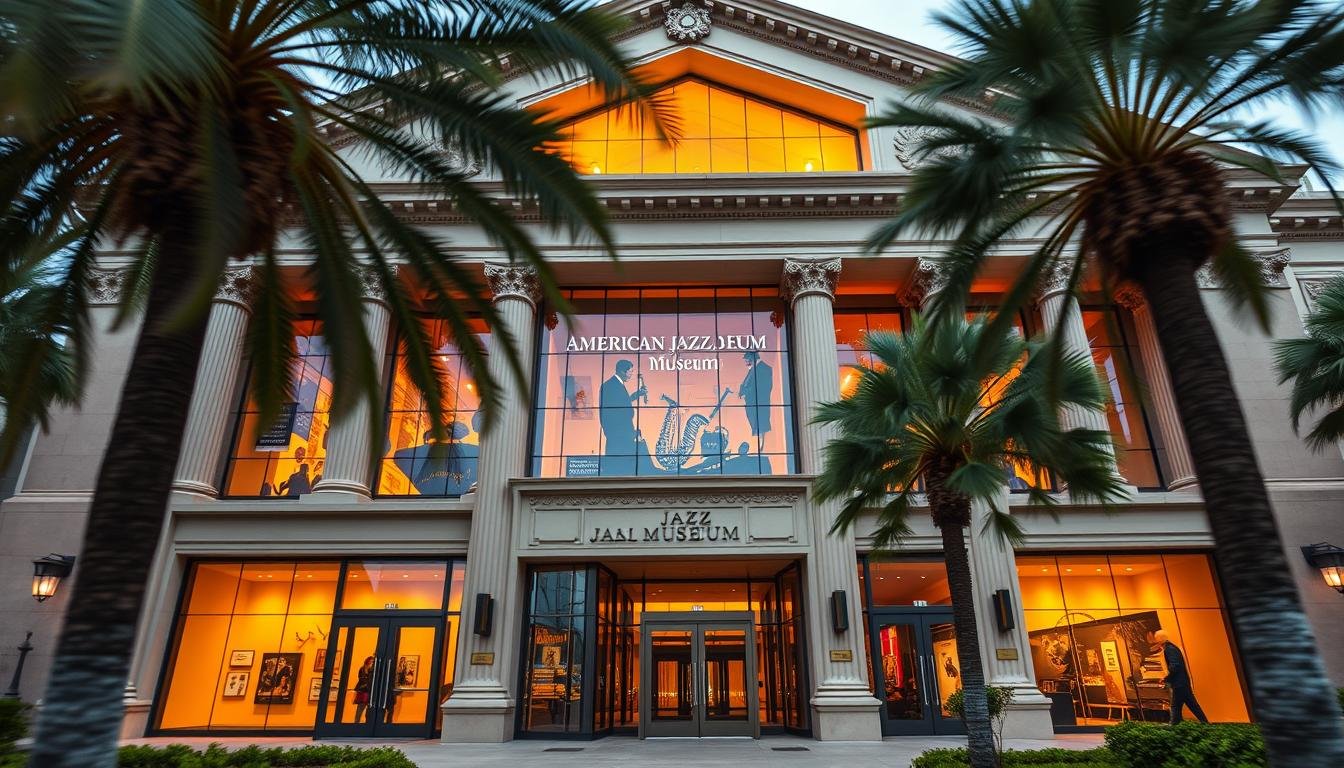
    Begin your visit in the Historic 18th & Vine district, where a living institution tells the story of this vital art form. Opened in 1997, the venue blends exhibits, films, and live stages to make music history feel immediate and welcoming.

    Explore hands-on galleries that showcase rare photos, album covers, and memorabilia from icons like Louis Armstrong, Duke Ellington, Ella Fitzgerald, and Charlie Parker. Listening stations hold more than 100 recordings, and Studio 18th & Vine invites visitors to try making sound themselves.

    The site’s mission centers on performance, education, and research. Guests can catch intimate sets in the Blue Room or larger productions at the Gem Theater. This mix of sights and sounds creates a layered experience that honors legacy while spotlighting new talent.

    Whether you come as a first-time visitor or a long-time fan, the institution offers guided learning, rotating exhibits, and community programs that turn a visit into a deeper connection with music and place.

    Key Takeaways

    • The museum opened in 1997 and sits in the Historic 18th & Vine district.
    • Exhibits feature memorabilia and recordings from major music legends.
    • Interactive Studio 18th & Vine and listening stations make music tangible.
    • The Blue Room and Gem Theater offer live performance opportunities.
    • The venue combines performance, education, and research to preserve legacy.

    Discover the sights and sounds of America’s original art form in the Historic 18th & Vine Jazz District

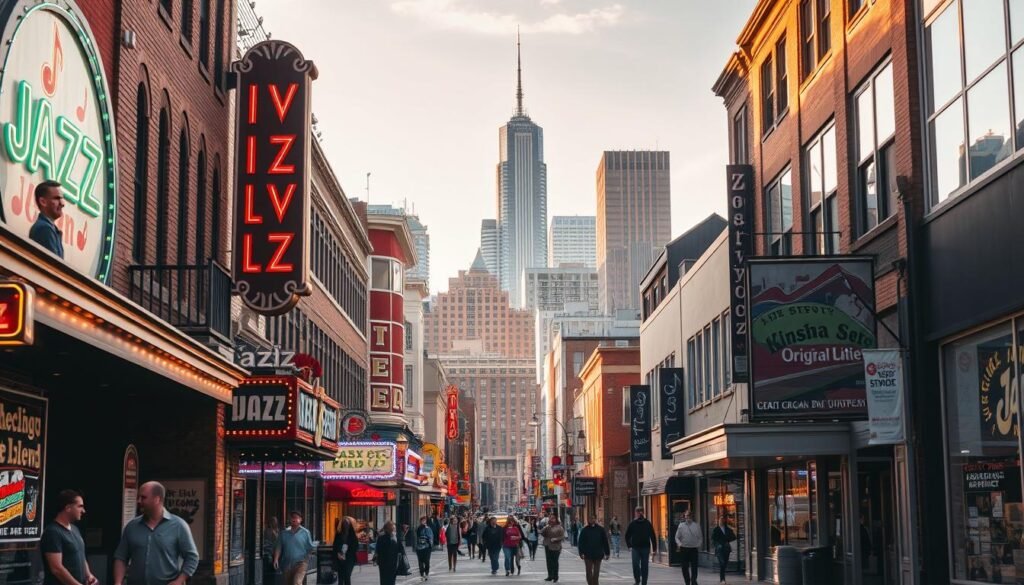
    Walk the blocks of Historic 18th & Vine and hear echoes of late-night sets, rehearsals, and street performances. The district has galleries and listening stations that map how place shaped an unmistakable sound.

    Interactive exhibits invite you to try melody, rhythm, and harmony in Studio 18th & Vine. Hands-on lessons make improvisation feel simple and immediate.

    Curated films and the Changing Gallery frame social life and artistry. They connect performances to the history of the neighborhood and the work of key musicians.

    Rare photos, album covers, and personal items bring legends closer. See artifacts tied to Louis Armstrong, Duke Ellington, Ella Fitzgerald, and Charlie Parker that illuminate craft and context.

    18th & Vine jazz district

    Why 18th & Vine matters

    Between the 1920s and 1940s, local bands and clubs shaped arrangements and improvisation that influenced music nationwide. The site preserves that legacy while showcasing sights and sounds for new audiences.

    • Hands-on Studio experiences that teach musical concepts by doing.
    • Films and exhibits that place performances in cultural context.
    • Changing Gallery shows rotating perspectives on style and history.

    “The district is where musicians met, learned, and expanded the art form.”

    Feature What you experience Why it matters
    Interactive Studio Experiment with rhythm and harmony Hear improvisation in real time
    Changing Gallery Rotating exhibits and fresh perspectives Keeps history relevant to today’s artists
    Film screenings Contextual documentaries and shorts Links social history to musical developments
    Artifact displays Photos, covers, personal items Humanizes legends and their creative process

    Live music, venues, and programs that keep Kansas City’s jazz legacy thriving

    Live concerts and community programs turn galleries into active performance spaces. The american jazz museum hosts more than 200 performances and events each year. That mix of shows and learning keeps the neighborhood vibrant.

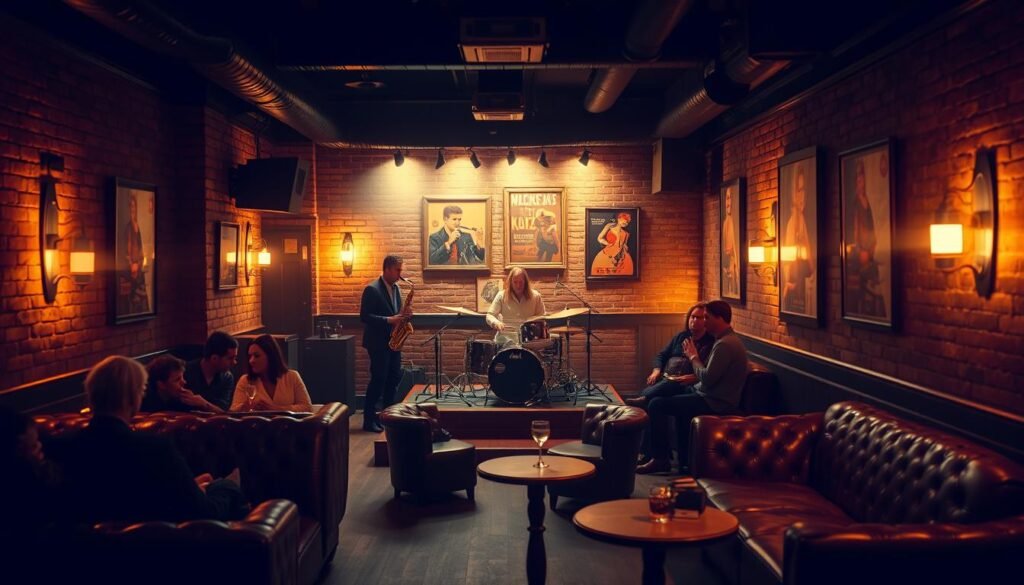
    The Blue Room is a working jazz club open four nights weekly. It offers an intimate, smoke-free setting with local, national, and international artists. Join the weekly Blue Monday Jam to sit in or watch; big bands play the last Monday and a Latin Jazz/Salsa night closes each month.

    The Gem Theater sits behind a restored 1912 façade and seats 500. Its “Jammin’ at the Gem” series includes concerts, theatre, and community events that fill the modern performance space.

    The Changing Gallery hosts rotating exhibitions that connect arts, history, and community. Education and research programs bring students and lifelong learners to hands-on displays and performances. Together, museum showcases, programs, and partnerships make every visit both fun and informative.

    blue room jazz

    “A living venue where performance, learning, and community meet.”

    american jazz museum kansas city: plan a visit to the Blue Room, Gem Theater, and more

    Start with scheduling: live performances shape the day’s rhythm as much as exhibits do. Check the website for current museum hours and the Blue Room calendar before you go, since Blue Room hours differ from gallery times.

    Build an itinerary around anchor nights—Blue Monday Jam, the monthly big band night, or the Latin Jazz/Salsa series—and add exhibition time and films to round out the visit.

    Map your day in the Historic 18th & Vine area to include the Gem Theater for evening performances and the museum’s exhibition space during the day. Allow time to enjoy the district’s atmosphere and meet visiting musicians at programs and community events.

    • Check the website for tickets, reservations, and calendar updates.
    • Combine Blue Room sets with exhibitions and films for a full experience.
    • Plan group or student visits ahead to align with education programs.
    • Factor in accessibility, parking, and nearby amenities in the district kansas city area.

    “Use the calendar so you don’t miss limited-time exhibitions or special performances.”

    What to plan Why it matters Tip
    Blue Room nights Live sets are the heartbeat of the space Check the website for schedule variations
    Gem Theater shows Evening concerts and larger productions Reserve seats early for special events
    Exhibitions & films Context and history between performances Leave time to explore galleries after shows

    Conclusion

    Leave knowing the place keeps traditions alive while inviting fresh voices to play.

    The american jazz museum at 18th & Vine links performance, education, and community in one lively spot.

    This jazz museum showcases sights and sounds with interactive displays and regular sets in the Blue Room and the Gem Theater.

    Your visit supports a mission that honors american jazz as a living art form through research, programs, and hands-on learning.

    Plan a trip to hear new musicians, study artifacts, and feel how the vine jazz district in kansas city still shapes the sounds of today.

    FAQ

    What can I expect when I visit the American Jazz Museum in the Historic 18th & Vine District?

    Expect interactive exhibits, short films, and the Changing Gallery that spotlight musicians, instruments, and key moments in the art form. Hands-on displays and listening stations let visitors hear original recordings and learn how the local sound influenced national trends.

    Which legendary artists are highlighted in the museum’s collections?

    Exhibits celebrate figures such as Louis Armstrong, Duke Ellington, Ella Fitzgerald, and Charlie Parker, among others. Displays include photographs, recordings, instruments, and contextual stories that tie these artists to the city’s musical legacy.

    How does the Blue Room differ from the rest of the museum?

    The Blue Room is a working club and performance space that presents live shows, weekly Blue Monday jams, and touring acts. It offers a club atmosphere that complements the museum’s historic and educational exhibits.

    What is the Gem Theater and can I attend performances there?

    The Gem Theater features a restored 1912 façade and a modern 500-seat performance hall. It hosts concerts, screenings, and community programs—check the events calendar for tickets and schedules.

    Are there special exhibitions and rotating shows?

    Yes. The Changing Gallery stages temporary exhibits that explore music, visual arts, and local history. New shows rotate regularly, so visit the website to see current and upcoming installations.

    Do you offer programs for students and researchers?

    The institution runs education and outreach programs for schools, workshops, and research services. Group visits and guided tours are available with advance booking to support curriculum and scholarship.

    How do I plan a visit—hours, tickets, and accessibility?

    Check the official website for current hours, admission fees, and accessibility details. Note that Blue Room performance times can differ from daytime exhibit hours, so confirm schedules before you go.

    Can I buy recordings, books, or memorabilia on site?

    A museum shop typically offers recordings, books, apparel, and gifts related to the region’s music history. Online shopping options may also be available via the website.

    Are there volunteer or donation opportunities to support the museum and local music programs?

    Yes. You can support through donations, memberships, or volunteer programs that help sustain exhibitions, performances, and education initiatives. Visit the support page for ways to get involved.

    Is the 18th & Vine District safe and easy to navigate for visitors?

    The district hosts many cultural sites, restaurants, and walking routes. Follow posted visitor guidance, attend during daytime or event hours, and consult local resources for parking and transit options to ensure a smooth visit.