Tag: Smoked brisket

  • Barbecue Nachos — Q39, Joe’s KC, Char Bar

    Barbecue Nachos — Q39, Joe’s KC, Char Bar

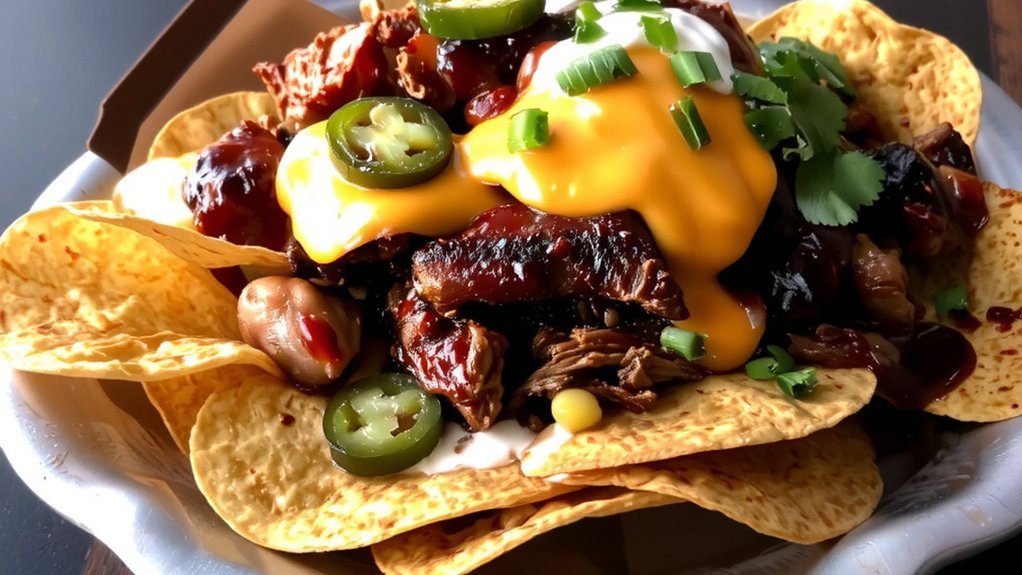
    You approach barbecued nachos from Q39, Joe’s KC, and Char Bar like a tasting, eyes on bark and smoke. You’ll find mahogany-bright brisket, molasses-glazed burnt ends, ribboned pulled pork over crisp chips; a crackling bark gives way to molten interior that perfumes the air with coffee and smoke. Tangy mustard and house pickles cut the fat, and you’ll want to know which house nails the balance.

    Q39: Tender Brisket and Bold Smoke
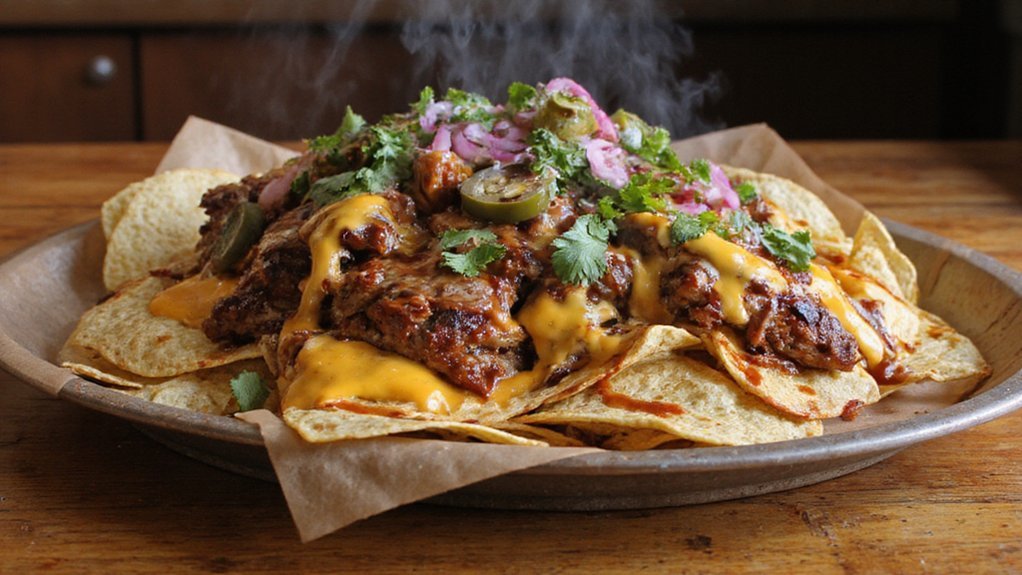
    smoky mahogany crusted tender brisket

    Slicing through the brisket reveals a mahogany crust and a steam of smoke that hits your nose first, promising depth before the first bite. You press the slices and feel how careful temperature control coaxed connective tissue into silk, each strand yielding without collapsing.

    The bark formation isn’t accidental; it’s deliberate caramelization and smoke adhesion that gives texture and whisper of bitterness to balance fat. You taste roasted coffee, molasses, and a fleeting cayenne lift, and you notice how innovation tweaks tradition — micro-smoking, wood blends, moisture blankets — to push nuance without losing soul.

    When you pile this brisket on nachos, every chip gets savory gravity, complexity, and a hint of smoke that stays with you. You’ll return, craving inventive smoke and balance.

    Joe’s KC: Classic Burnt Ends and Tangy Sauce
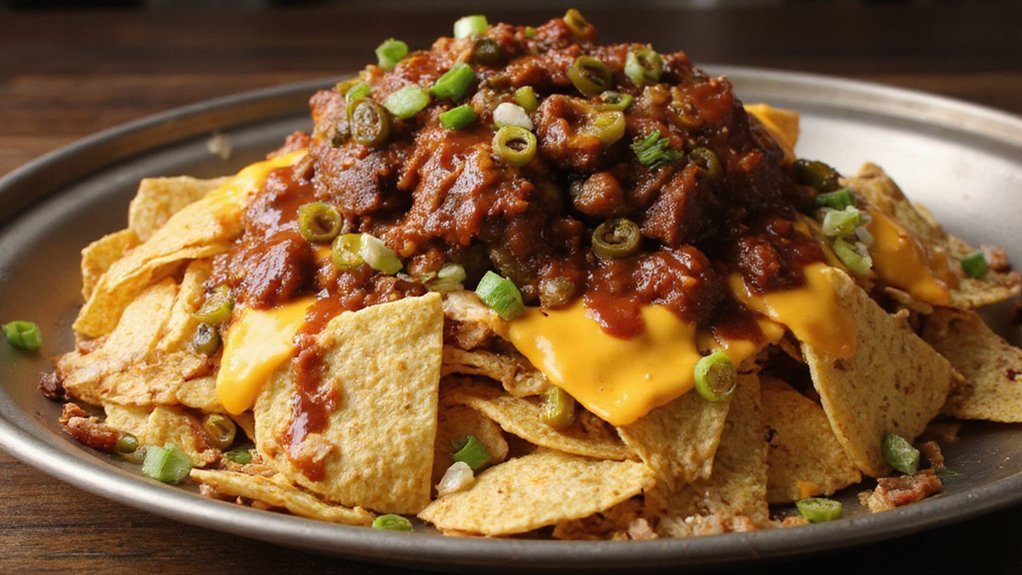
    smoky molasses glazed burnt ends

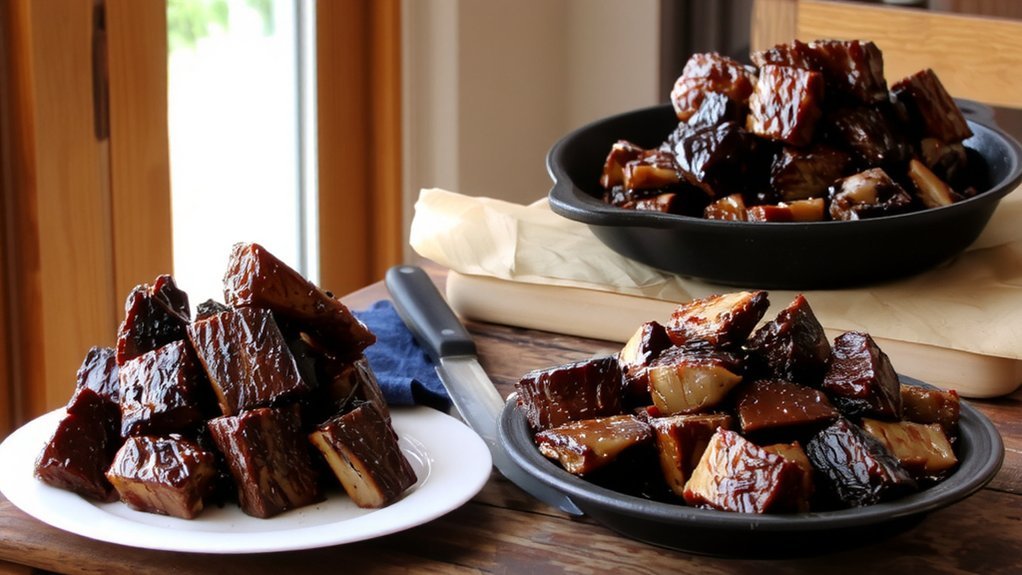
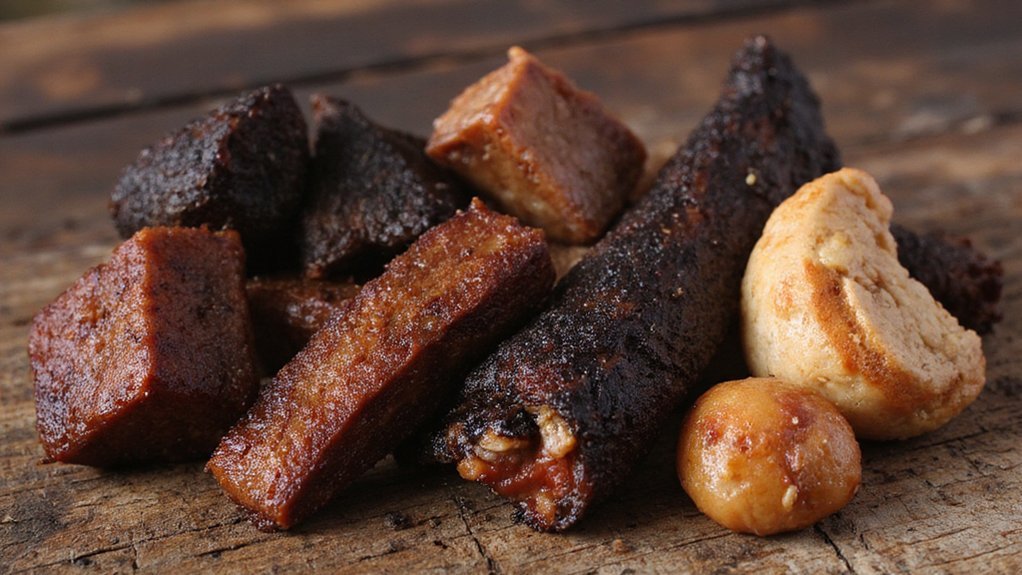
    Where the brisket’s long slices offered silk and restraint, Joe’s KC chops those same flavors into gloriously rogue bites: burnt ends with a mahogany crust that crackles, edges glassed in a molasses-bright glaze and smoke that lingers like a promise.

    Joe’s KC transforms brisket into molasses-glazed burnt ends—crackling mahogany, molten, smoky seduction.

    You dig in and the Caramelized Bark shatters, releasing a sweet-smoky perfume that coats your palate while the interior stays molten, tender, almost buttery.

    The tang of a Mustard Glaze cuts through richness, bright and vinegary, coaxing fat and smoke into harmony.

    Each cube is an idea — texture, fat, acid — calibrated for immediacy.

    If you crave innovation on a plate, these burnt ends teach you how contrast and restraint powerfully redefine familiar comfort.

    They invite you to rethink what barbecue can accomplish.

    Char Bar: Pulled Pork, Pickles, and Crunch
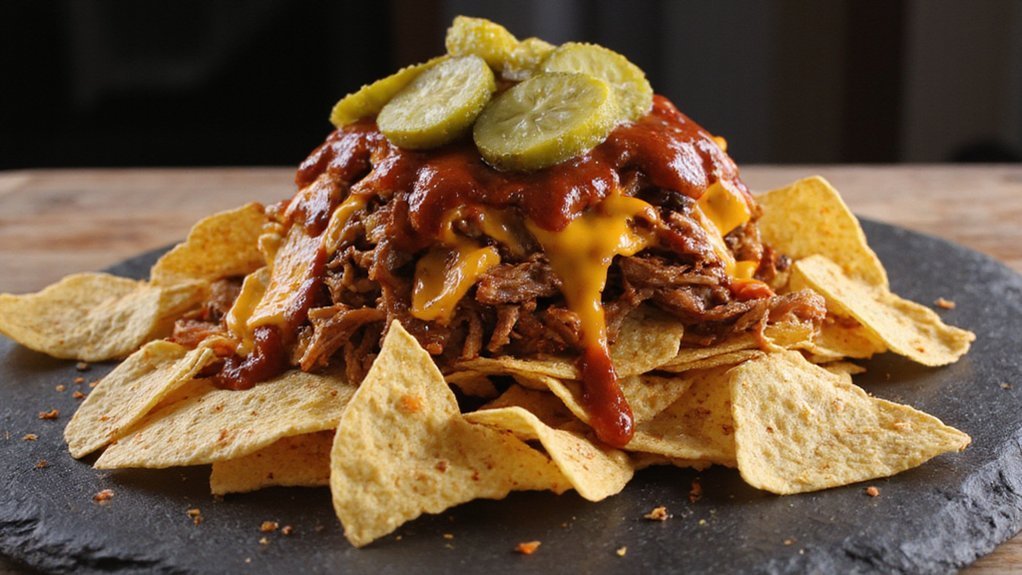
    smoky pork briny crispness

    When you bite into Char Bar’s pulled pork, fat and smoke fold into you like a secret—shredded strands glisten with rendered juices, each mouthful yielding a smoky, savory warmth that’s trimmed by a bright, briny snap of house pickles.

    You notice meticulous Pork Shredding, the meat teased into ribbons that carry char and collagen richness.

    A scatter of crisp tortilla chips adds deliberate crunch, catching savory shards and pickle shards alike.

    The Pickle Brine is taut and inventive, cutting through fat and calibrating sweetness with acid.

    You taste restraint and daring: restrained sauce, bold texture contrasts, a composition that reads modern rather than fussy.

    You’ll return for that layered complexity soon.

    Conclusion

    You’ll find each barbecue nacho composition sharp and persuasive: Q39’s mahogany brisket sings with coffee-and-smoke, Joe’s KC’s molasses-burnished burnt ends pop with sweet-char depth, and Char Bar’s ribboned pulled pork and house pickles cut through fat with vinegar snap. You’ll savor crackling bark, molten interiors, and restrained sauce marrying salt, smoke, and fleeting cayenne. Trust your palate — these layered bites reward attention with balanced heat, texture, and always lingering mustard brightness.
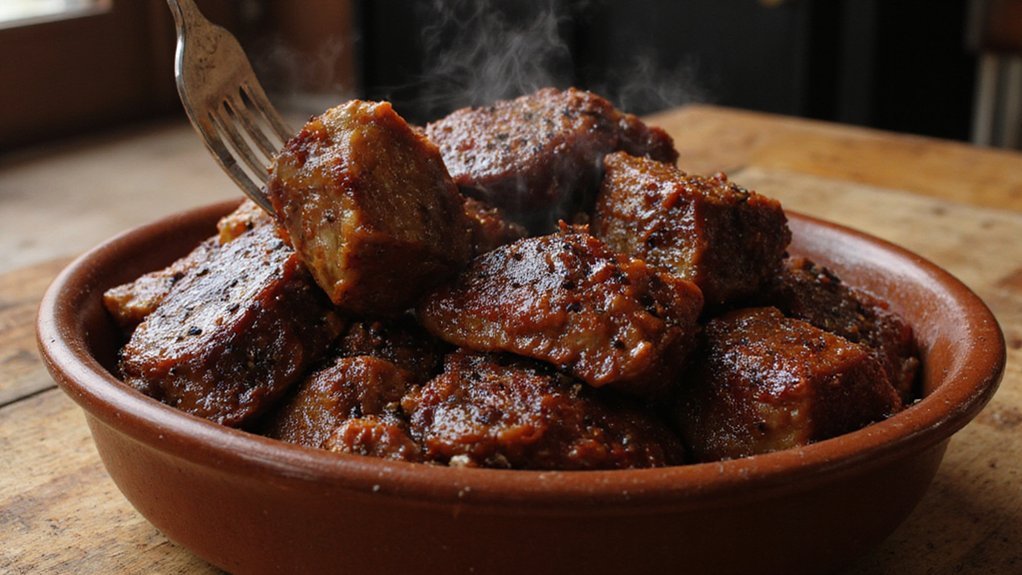
  • Burnt End Chili — Gates Bar‑B‑Q, Jack Stack, Slap’s BBQ

    Burnt End Chili — Gates Bar‑B‑Q, Jack Stack, Slap’s BBQ

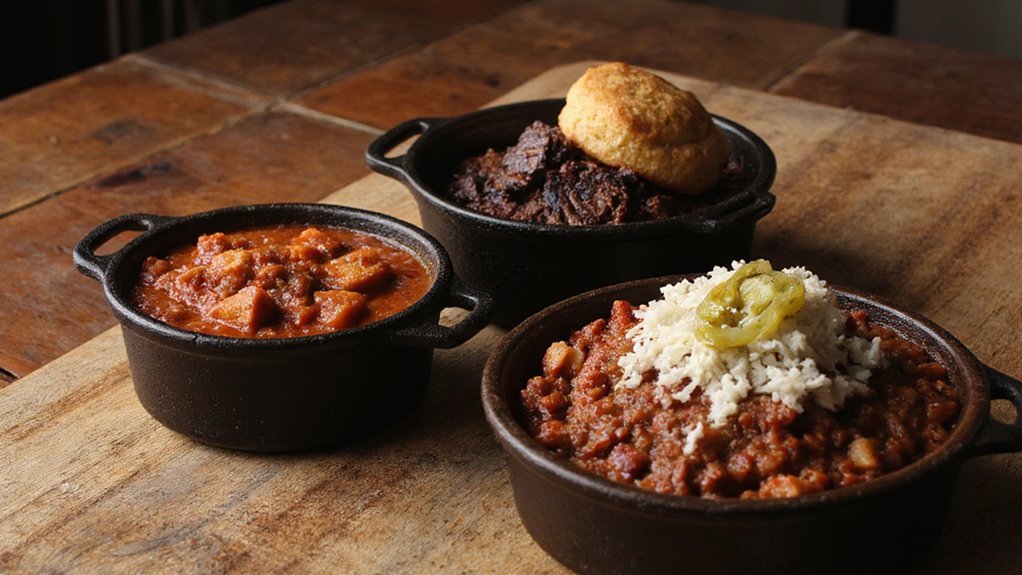
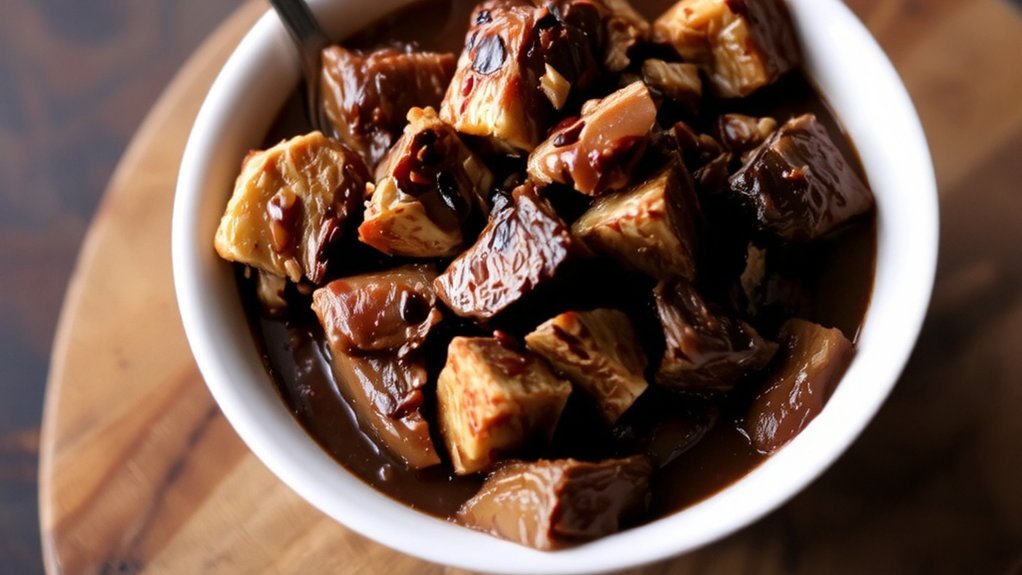
    You’ll recognize burnt end chili by its lacquered bark and gelatin‑rich interior, where Maillard sugars meet rendered smoke oil. In Kansas City, Gates leans sweet‑vinegary, Jack Stack nails low‑and‑slow collagen breakdown, and Slap’s layers smoke and saucing for intense bite. You’ll want to compare texture, glaze and spice — and then plan your next stop.

    What Makes Burnt End Chili So Irresistible

    smoky lacquered caramelized brisket

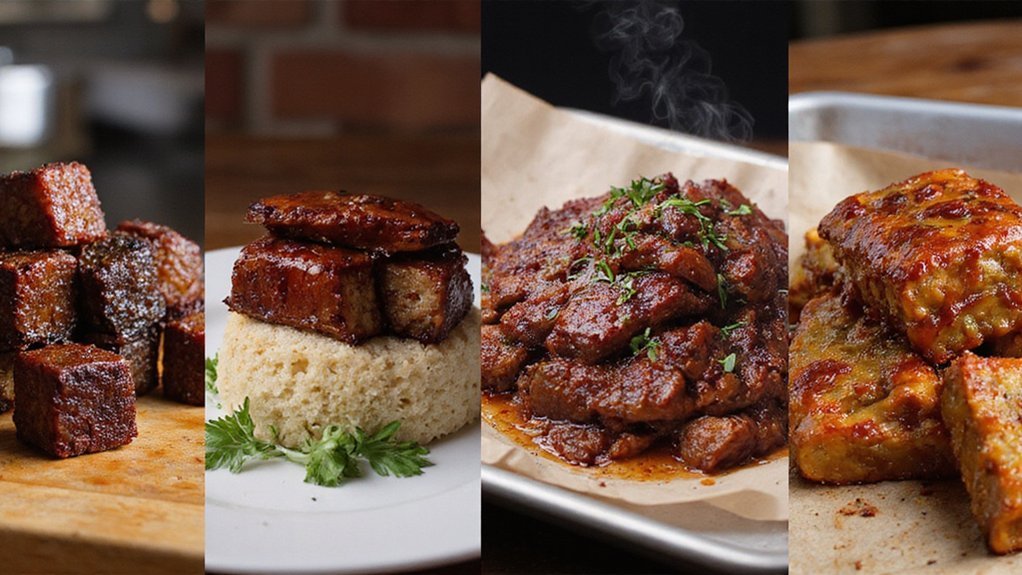
    Irresistibility starts with contrast: charred, caramelized bark gives you a smoky top note while tender, gelatin-rich brisket melts in your mouth.

    Irresistibility lives in contrast: charred, caramelized bark and gelatin-rich brisket that melts, smoky and unctuous.

    You calibrate heat and time to coax collagen into gelatin without drying the cube—low-and-slow smoke at 225–250°F for hours, then rest.

    The burnt ends’ smoky richness comes from Maillard reactions intensified by rendered fat and sweet vinegary mop.

    You aim for a lacquered exterior: a caramelized crust that cracks under bite, releasing concentrated seasoning and smoke oil.

    Regionally, Kansas City technique favors sugar and molasses balance; you adapt that profile, trimming precisely and choosing post-smoke sauce glazing.

    Every tweak—wood species, humidity, sauce viscosity—translates into measurable texture and flavor gains you can reproduce.

    You’ll experiment with blends and documentation to iterate consistently at scale.

    Comparing Gates Bar‑B‑Q, Jack Stack, and Slap’s BBQ

    direct low smoky variables

    If you follow the science of burnt ends—bark formation, gelatinized interior, glossy glaze—you’ll spot how three Kansas City stalwarts take different technical routes to the same goal.

    You’ll notice Gates favors brisk, direct-contact finishing and a sweeter glaze that amplifies Maillard crust; Jack Stack pursues precise low-and-slow control, rendering collagen into a silky mouthfeel with restrained sweetness; Slap’s BBQ pushes smoke intensity and repeated saucing for layered char and tang.

    In service comparison, Gates trades speed and theatricality, Jack Stack offers consistency and plated refinement, Slap’s emphasizes rustic pace and smoke-forward identity.

    For an innovator, these smoking techniques are instructive: they’re modular variables you can remix—heat profile, respite times, glaze chemistry—to evolve your own regional interpretation. Experiment deliberately, measure, and iterate for mastery.

    Where to Order and What to Try

    specify burnt end details

    Where do you start? You order from proven pits: Gates for charcoal-smoke clarity, Jack Stack for controlled pit-roast caramelization, Slap’s for wood-fired bark complexity.

    Specify burnt end weight, fat render level, and reheating method so chefs dial in texture. Ask about menu highlights — burnt end chili, brisket bites, lacquered ribs — and request sauce on side to preserve bark.

    Specify burnt end weight, fat render level, reheating method; request menu highlights and sauce on the side to preserve bark.

    For events, tap local catering teams who understand portion yield and hold times; demand staging racks and heat lamps. When you taste, note smoke ring penetration, collagen breakdown, and spice equilibrium; pair with regional sides like cheesy corn and potato salad.

    If you want innovation, request hybrid rubs or barrel-aged reductions. You’ll get precise feeding guides, pickup windows, and plating cues to replicate results at home.

    Conclusion

    You’ve tasted charred brisket cubes lacquered in saccharine‑vinegar glaze, and you know why burnt end chili hooks you: Maillard‑deep bark meets rendered collagen, smoke oil perfumes the broth, and balanced acidity cuts fat. Gates leans sweeter, Jack Stack nails low‑and‑slow collagen melt, Slap’s layers smoke and saucing for concentrated bark. When you order in Kansas City, you’re chasing that regional interplay of smoke, sugar and spice — precise, soulful, and utterly addictive, every single bite.

  • Burnt Ends — Joe’s KC, Q39, Slap’s BBQ, LC’s Bar‑B‑Q

    Burnt Ends — Joe’s KC, Q39, Slap’s BBQ, LC’s Bar‑B‑Q

    You’ll notice how Joe’s KC gilds cubes in sticky, custardy fat; Q39 walks a glossy, citrus‑anise line with delicate smoke; Slap’s hits you with crackling char and velvet fat; LC’s layers tangy vinegar and sweet tomato over rendered richness. You’ll argue which is truest to tradition, and you’ll want to taste them side‑by‑side to settle it…

    What Makes Burnt Ends Special

    crackling char molten beef

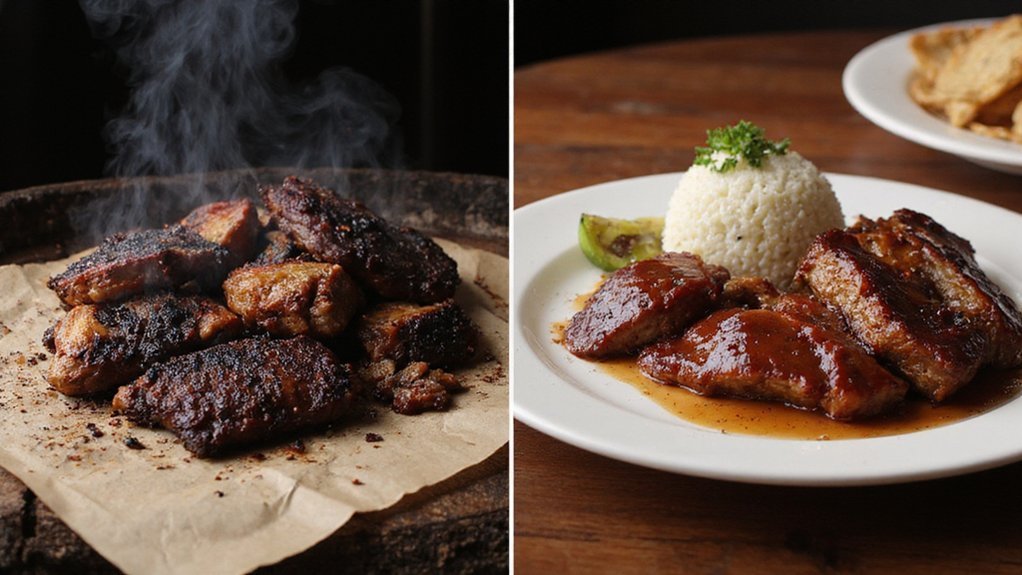
    A bite of burnt ends hits you with a crackling char that smells like mesquite and late-afternoon embers, then melts into pockets of rich, beefy fat and sticky, caramelized sauce — it’s texture and smoke that set them apart.

    You notice the contrast immediately: a caramelized bark that snaps, yielding to a custardy interior that feels almost molten. You expect aggressive smoke, but it’s balanced; the fat carries flavor, the sauce amplifies, and the meat’s grain breaks with buttery ease.

    Innovative pitmasters play with sugar, acid and time to coax complexity without cloying sweetness. You judge bites by restraint and precision — bold, refined, and modern — where each charred edge and glossy glaze signals purposeful technique. They reinvent tradition while honoring slow, exacting smoke rituals.

    Joe’s KC — The Traditional Standard

    lacquered burnt ends tradition

    At Joe’s Kansas City, burnt ends set the benchmark you measure others against. You bite into cubes of brisket that sizzle with lacquered bark, sweet molasses, and a whisper of char; smoke slides across your palate like a claim staked in the Midwest. The menu honors a founding history rooted in gas‑station counter service and unapologetic technique, yet you’ll sense continual refinement in texture and sauce restraint.

    You notice the attentive char, the balance of fat and chew, and you want innovation without gimmicks — subtle tweaks that respect the cut. The place’s community impact hums beneath every platter: regulars swap stories, pitmasters mentor apprentices, and the meal feels like civic craft. For you, Joe’s is the traditional standard that still surprises and endures.

    Q39 — An Upscale, Chef‑Driven Interpretation

    lacquered brisket sculpted smoke

    When a chef reimagines burnt ends for a white-tablecloth dining room, you notice the shift in rituals as much as in taste: cubes of brisket arrive lacquered with a glossy gastrique, edges caramelized to brittle sweetness, each morsel threaded with a faint, sculpted smoke rather than raw campfire bite. You lean in to register citrus brightness, a whisper of star anise, and a varnish of rendered fat that clings like velvet.

    Presentation Aesthetics matter here: tiny spoons, microgreens, a smear of black garlic make each bite an argument.

    You’ll appreciate Modern Pairings—braised kale, pickled pear, a tannic pinot—that broaden context without masking smoke.

    It’s inventive, precise, and sometimes you’ll prefer its restraint to rustic abandon. It elevates barbecue into a deliberate culinary statement, unapologetically.

    Slap’s BBQ and LC’s Bar‑B‑Q — Two Local Approaches

    crusty bark versus tangy sweet

    If you want honest, uncomplicated smoke, Slap’s hits you first: its brisket sears with a crusty bark that crackles under your fork and delivers a deep, charred sweetness threaded with oak and a whisper of molasses.

    Honest smoke: brisket with crusty bark, deep charred sweetness threaded with oak and a whisper of molasses.

    You’ll taste restraint — minimal sauce, salt that sings, fat rendered to velvet.

    Across town LC’s teases you differently: tangy vinegar and sweet tomato interplay, a brighter Sauce Profiles play that nudges smoke into new territories.

    Both innovate: Slap’s refines Pit Techniques to coax pure beef flavor; LC’s experiments with layering spices and glaze.

    You’ll prefer one depending on mood — pure muscle and smoke or playful acid-sweet contrast — but you owe it to your palate to try both.

    Bring friends; compare bites, debate nuances, and push your expectations every single visit.

    Conclusion

    You’ll taste lineage and invention in every cube: Joe’s KC gives you lacquered, custardy fat and a whisper of mesquite that feels comfortingly orthodox; Q39 plates glossy gastrique, citrus-anise lift and restrained smoke that reads modern and meticulous; Slap’s slaps you with charred, crackling bark and molten velvet fat that’s unapologetically primal; LC’s layers tangy vinegar and sweet tomato glazes over rendered richness, proving regional pride still sings louder than trend. You’ll argue—and happily so.